FC Barcelona is navigating a complex landscape, grappling with the ongoing renovation of its iconic home stadium, Camp Nou, which has led to persistent uncertainties regarding match venues. This situation not only impacts the club's logistical planning but also carries significant financial implications, particularly concerning salary cap regulations. Concurrently, the club is engaged in critical discussions about player movements, including the potential sale of academy talent Marc Casado, whose unexpected rise last season has garnered attention from other European teams. Recent on-field performances, highlighted by the debut start of a prominent forward, further underscore the tactical adjustments and player evaluations underway as the team strives for success in the demanding La Liga and Champions League campaigns.
FC Barcelona: Stadium Setbacks, Transfer Tensions, and Tactical Trials
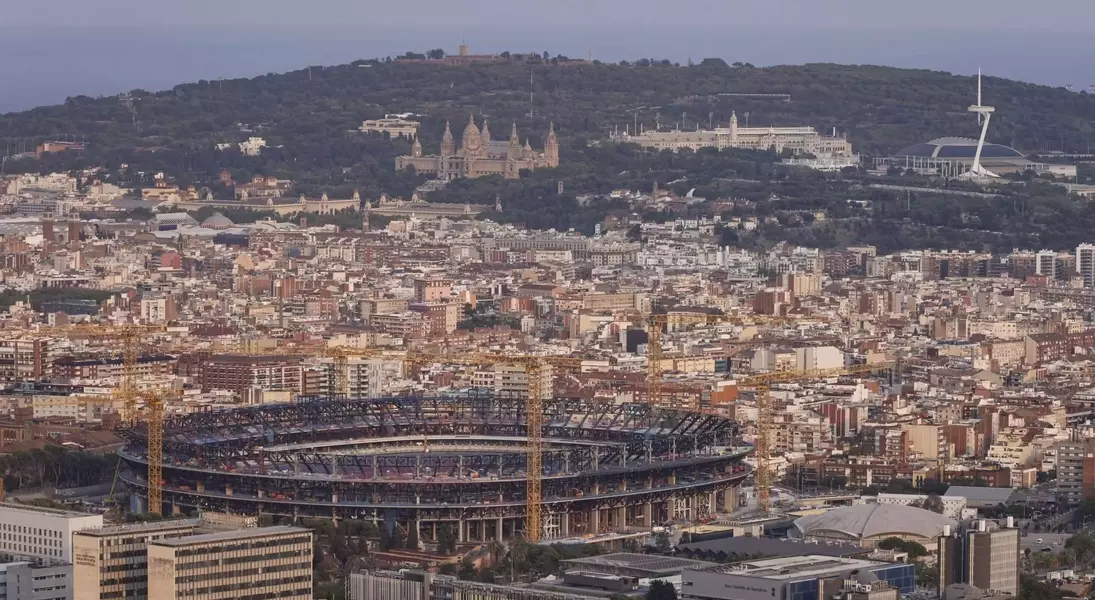
As the vibrant 2025-26 La Liga season unfolds, FC Barcelona finds itself in an intricate situation, primarily centered around its highly anticipated return to the venerable Camp Nou. Despite earlier optimism, the comprehensive refurbishment of the stadium has encountered delays, forcing the team to continue playing at the Estadi Olímpic Lluís Companys, affectionately known as Montjuïc, for the foreseeable future. This prolonged absence from their traditional home has not only caused frustration among the devoted fanbase but also presented formidable financial hurdles for the club's administration, particularly in adhering to La Liga's stringent salary cap regulations. The club's inability to finalize a lucrative VIP seating deal, contingent on the stadium's completion, further exacerbates these fiscal pressures.
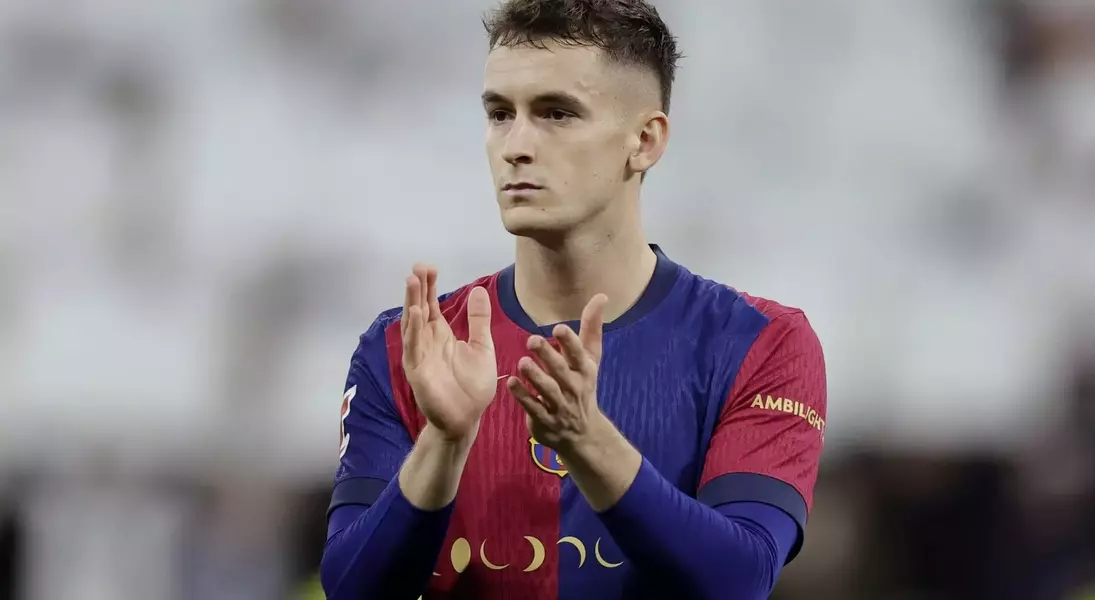
Adding to the complexity, Barcelona is meticulously evaluating its squad, with particular attention to the transfer market. While no immediate major signings are anticipated, the club is actively working to register key players, including Wojciech Szczesny, Gerard Martin, and the promising Swedish forward Roony Bardghji. Amidst these registrations, the future of homegrown talent Marc Casado has emerged as a significant talking point. Despite a breakthrough season where he showcased remarkable adaptability and skill, Casado's role under the current manager appears less central, especially with the impending return of the highly-rated younger midfielder, Marc Bernal. Premier League clubs, notably West Ham United and Wolverhampton Wanderers, have expressed keen interest in Casado, with reports suggesting a substantial transfer fee that could significantly alleviate Barcelona's financial constraints and boost their salary limit. However, Casado himself reportedly prefers to remain at the club, a sentiment subtly acknowledged by the coach who recently gave him a starting nod in a challenging away fixture.
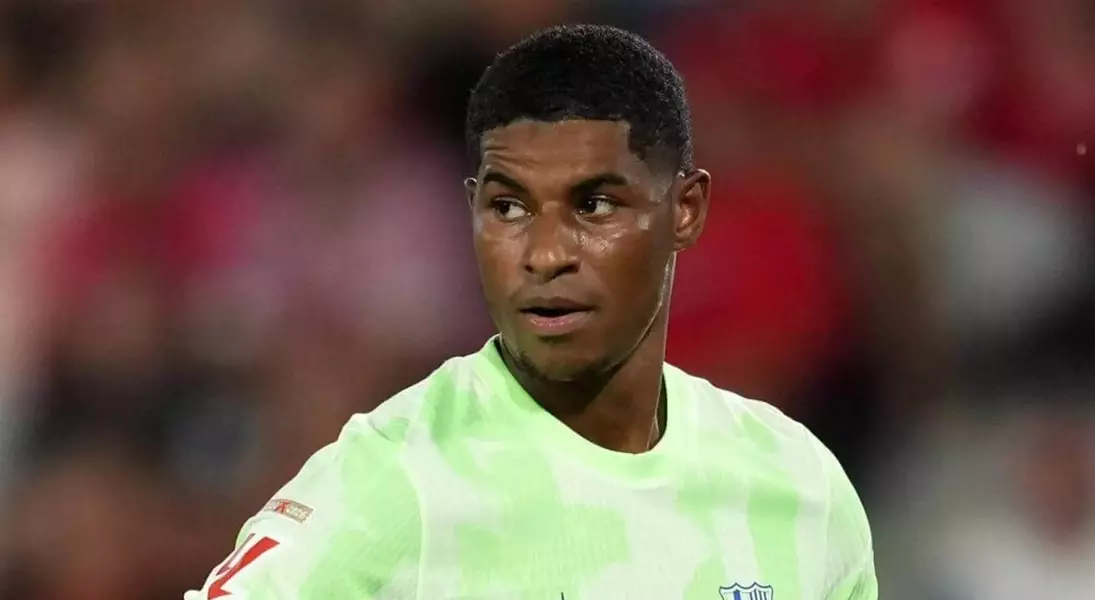
The recent match against Levante provided crucial insights into the team's tactical evolution and player dynamics. The decision to hand Marcus Rashford his first start on the left wing, alongside a highly offensive lineup, initially promised a dynamic attacking display. However, the first half saw the team struggle with structural cohesion and intensity, allowing the opposition to exploit defensive gaps and build a surprising lead. The coach's swift halftime adjustments, which included substituting Rashford and reconfiguring the attacking formation, dramatically transformed the game's momentum. Barcelona’s renewed vigor and strategic changes led to a remarkable comeback victory, showcasing the team's resilience and capacity for in-game adaptation. While Rashford's individual statistics remained respectable, his performance highlighted the ongoing challenge of integrating new attacking talent while maintaining defensive solidity and overall team balance.
Looking ahead, the club anticipates the Champions League draw, a pivotal moment that will shape their European campaign, especially after narrowly missing out on the trophy last season. The looming closure of the transfer window will also bring clarity to the final roster, with decisions pending on players like Roony Bardghji, whose registration status and potential loan moves are under review, emphasizing the intricate balance between player development and immediate squad needs.
The unfolding events at FC Barcelona paint a vivid picture of a footballing giant in transition, grappling with a myriad of challenges ranging from infrastructure development and financial prudence to player management and on-field tactical efficacy. The club's ability to successfully navigate these multifaceted issues will undoubtedly define its trajectory in the competitive world of elite European football.
From a journalist's vantage point, the narrative surrounding FC Barcelona is a compelling study in resilience and adaptation. The constant flux, be it stadium delays, transfer sagas, or tactical dilemmas, creates a fascinating backdrop for a club with such a rich history and high expectations. It's a testament to the unpredictable nature of football, where off-field decisions can profoundly impact on-field performance, and vice versa. The story of Camp Nou's renovation, for instance, serves as a poignant reminder that even the most established institutions are not immune to logistical hurdles, forcing them to innovate and compromise. Similarly, the meticulous management of young talents like Marc Casado, balancing financial imperatives with player development and individual aspirations, reflects the intricate human element within professional sports. Observing the strategic shifts by the coaching staff, particularly in response to in-game adversity, underscores the dynamic and often high-stakes nature of modern football management. This ongoing saga offers a powerful lesson: true greatness in sports isn't just about winning trophies, but also about the relentless pursuit of stability and excellence amidst perpetual change.
