
The fashion sourcing industry is experiencing unprecedented growth, driven by changing consumer behaviors and a desire for exclusive items. Gab Waller, a renowned fashion sourcer and Vogue columnist, has been instrumental in popularizing this niche. Her journey began with a realization during a 2018 LA vacation that luxury retail offerings varied significantly across regions. This insight led her to establish her sourcing business, transforming the term 'sourcer' into common parlance within the luxury market. Within three months of launching, a social media post by Rosie Huntington-Whiteley featuring a coat sourced by Gab propelled her business to widespread recognition. Today, Waller leads a global team of 12 and is currently authoring the first comprehensive book on fashion sourcing, aiming to demystify its operations and share her extensive knowledge with a fascinated public.
A significant shift in consumer shopping preferences is fueling the sourcing boom, with a wide range of individuals, from high-income earners to younger generations, engaging with these services. While traditional luxury brands might not report similar sales surges, sourcing platforms are thriving. A key observation from Waller is the discomfort some consumers, especially those in their twenties, feel when shopping in physical luxury stores, often preferring social media channels for their purchases. Indeed, approximately 80% of her business requests originate from Instagram DMs, highlighting the pivotal role of digital platforms in contemporary luxury retail. Customers frequently face long queues and limited stock in brick-and-mortar stores, making sourcing an attractive alternative for acquiring coveted items.
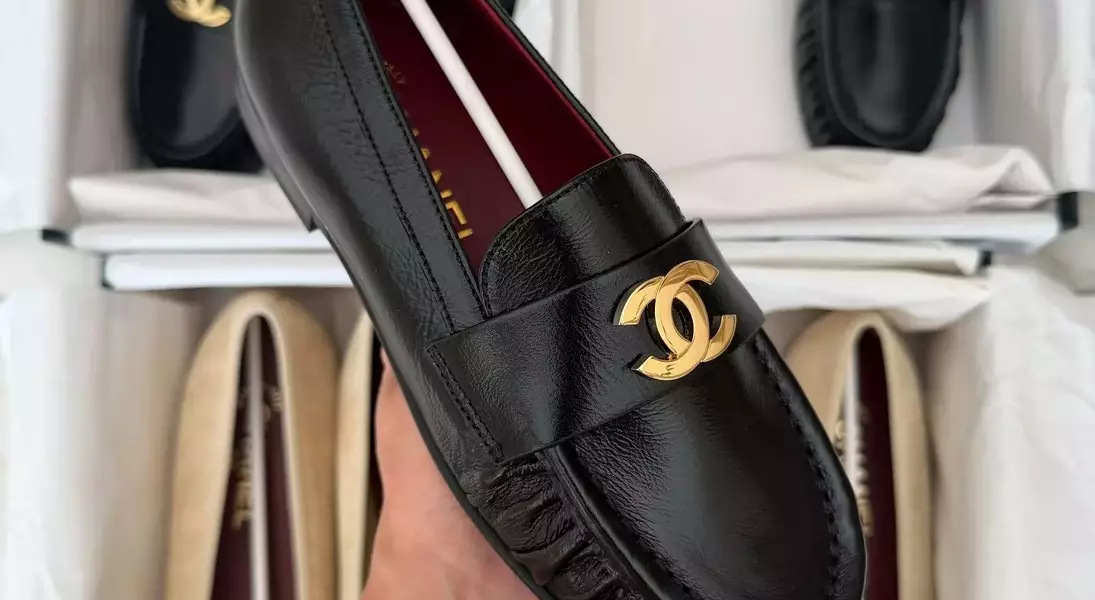
Chanel consistently leads the demand among luxury brands, a trend Waller has observed since the inception of her business eight years ago. Notably, the brand has seen an exponential increase in requests since Matthieu Blazy took the helm, particularly for footwear and handbags, with ready-to-wear also showing potential for future growth. Celine, especially after Michael Rider's creative direction, is another strong performer, alongside vintage Phoebe Philo-era Celine pieces and The Row. Dior has also recently re-emerged as a brand of high interest, seeing renewed demand following Jonathan Anderson's appointment. Beyond individual brands, the industry is witnessing innovative marketing strategies, such as Aritzia's 'mini-movie' campaigns and the 'micro-drama' format, alongside experiential retail events like pop-ups in LA, where the allure of exclusivity and social relevance draws large crowds.
The fashion sourcing landscape reflects an evolving luxury market, where personalized service, digital accessibility, and the pursuit of unique items redefine consumer engagement. This dynamic sector not only caters to immediate desires but also inspires new forms of brand interaction and retail experiences, showcasing a vibrant future for luxury commerce.
