In the challenging and uncertain environment of Fall/Winter 2026, the fashion industry is undergoing a significant transformation. Brands, both established and emerging, are redefining their business models to ensure long-term viability amidst geopolitical complexities and a volatile wholesale market. This evolution is characterized by a renewed focus on practical, adaptable collections, innovative retail strategies, and more direct, impactful marketing. Designers are moving away from purely conceptual runway presentations toward offering garments that are readily available for purchase, emphasizing modularity and timelessness over fleeting trends. This strategic pivot aims to fortify their market position and cultivate stronger connections with consumers, allowing them to thrive despite an unpredictable economic climate.
The Evolving Landscape of Fashion: Strategic Shifts and Innovations
In the Fall/Winter 2026 season, the fashion world finds itself at a pivotal juncture, grappling with a volatile wholesale sector and persistent global uncertainties. In response, numerous brands are recalibrating their core business strategies to secure their future success. A noticeable trend sees designers prioritizing collections that are both wearable and adaptable for layering, a shift often presented in intimate showroom settings rather than grand runway spectacles. This approach is accompanied by strategic business enhancements, including website overhauls and judicious increases in marketing expenditures, all underscoring a commitment to enduring presence.
The past decade has presented formidable obstacles for smaller fashion enterprises and the industry at large. Events such as Brexit, shifts in US trade policy, and the collapse of major e-tailers like Matches and Farfetch have left many brands in precarious positions. Ashish Gupta, the designer behind the Ashish label, cited these challenges, including new US tariffs, increased operational costs, and unfavorable domestic business policies, as reasons for canceling his London Fashion Week show. He remarked that the current environment is hardly conducive to creativity or the growth of independent ventures.
The distinction between 'independent' and 'emerging' designers is also being re-evaluated. Many talents who consistently contribute to fashion month calendars have long since moved past their 'emerging' phase. These designers are now focused on transitioning from niche recognition to achieving lasting brand status, a formidable task in an unstable economic climate. Their strategies for 2026 reflect this ambition.
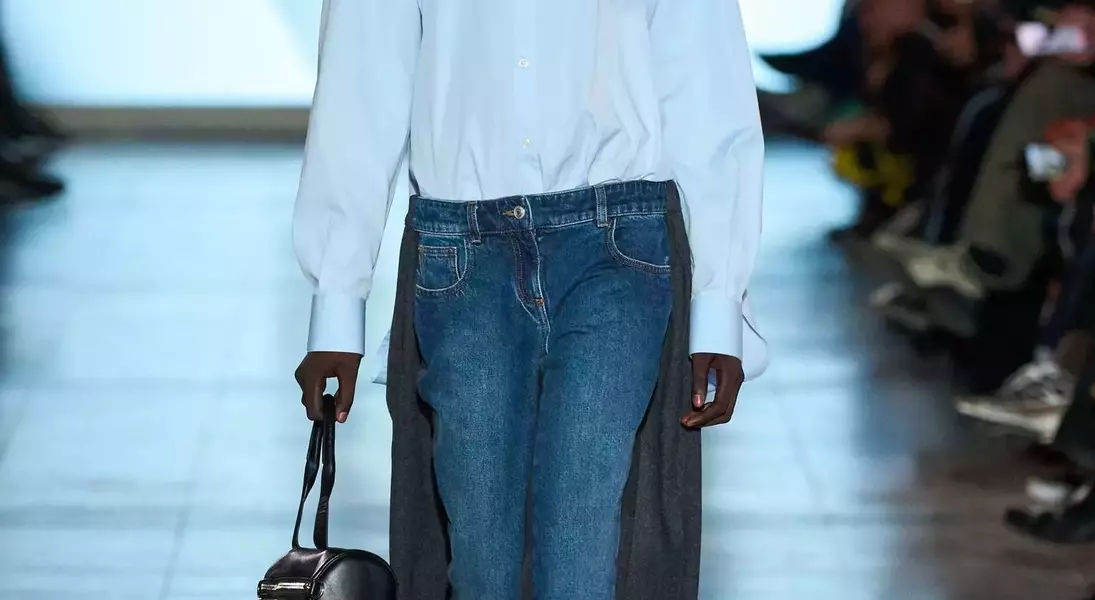
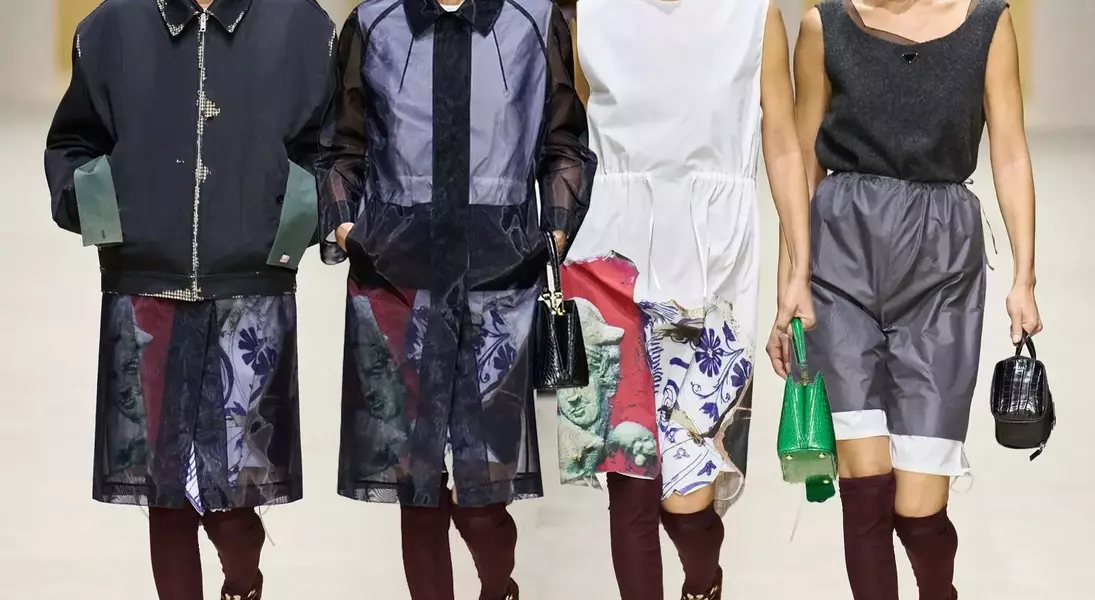
A key development is the emphasis on practical, commercially viable clothing. Designers are ensuring that a larger proportion of their runway collections are available for immediate purchase. Ashlynn Park of Ashlyn, for instance, focuses on creating pieces that are designed to sell, minimizing garments made solely for show. Similarly, Hillary Taymour of Collina Strada and the team behind Eckhaus Latta are committed to making their runway offerings accessible to consumers. Even brands not fully adopting this model are increasing the percentage of runway pieces that reach stores; Joseph Altuzarra notes that roughly 70% of his collection is produced, indicating high efficiency and low cancellation rates.
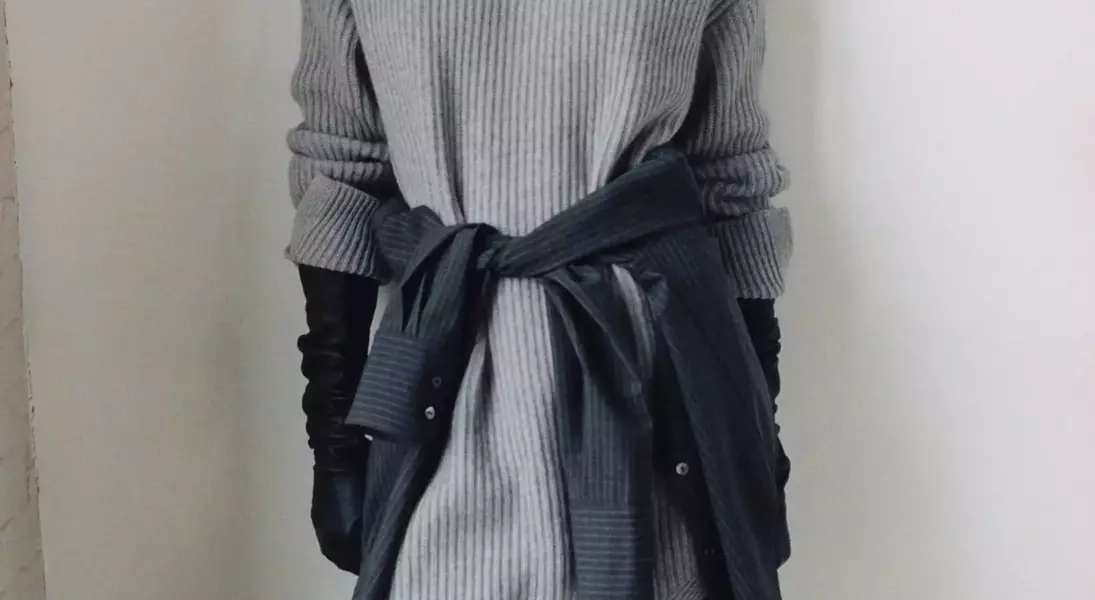
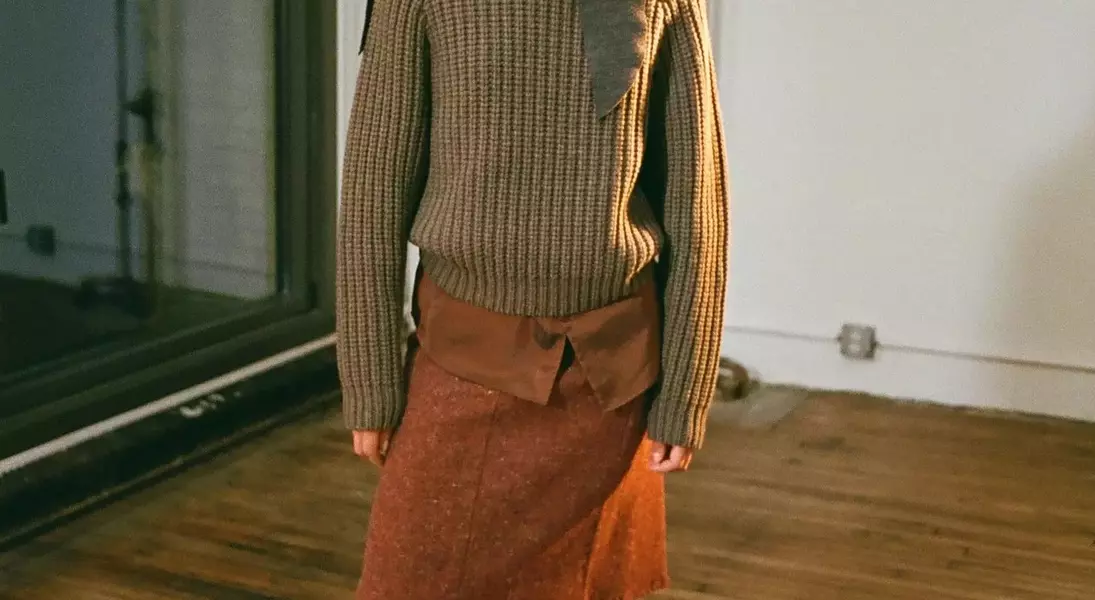
Designers known for avant-garde aesthetics, like Stephen Biga of Mel Usine, are also grounding their vision in reality, aiming for a wardrobe that is wearable rather than purely theatrical. This season, Biga articulated his intent to offer pieces that integrate seamlessly into everyday life, promoting versatility through mix-and-match items such as a sheer pink blouse and coordinating pants. The concept of layering, or the 'small plates-ification' of fashion, is another significant trend, allowing consumers to invest in individual components of a look or accumulate multiple pieces that are designed to complement each other. Pauline Dujancourt in London and Julie Kegels in Paris exemplify this with modular garments and versatile layering options.
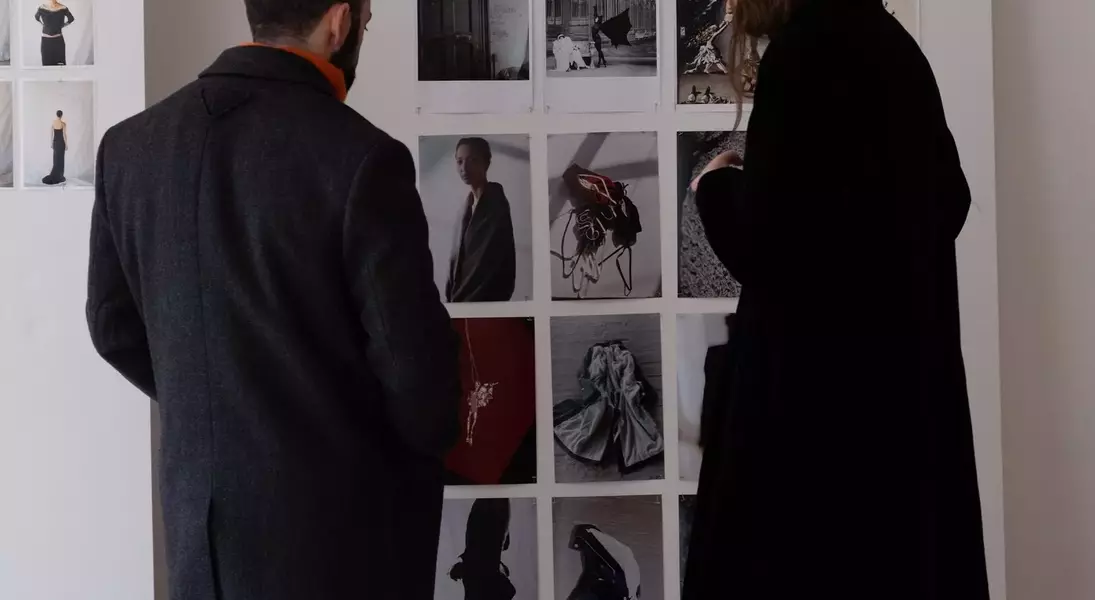
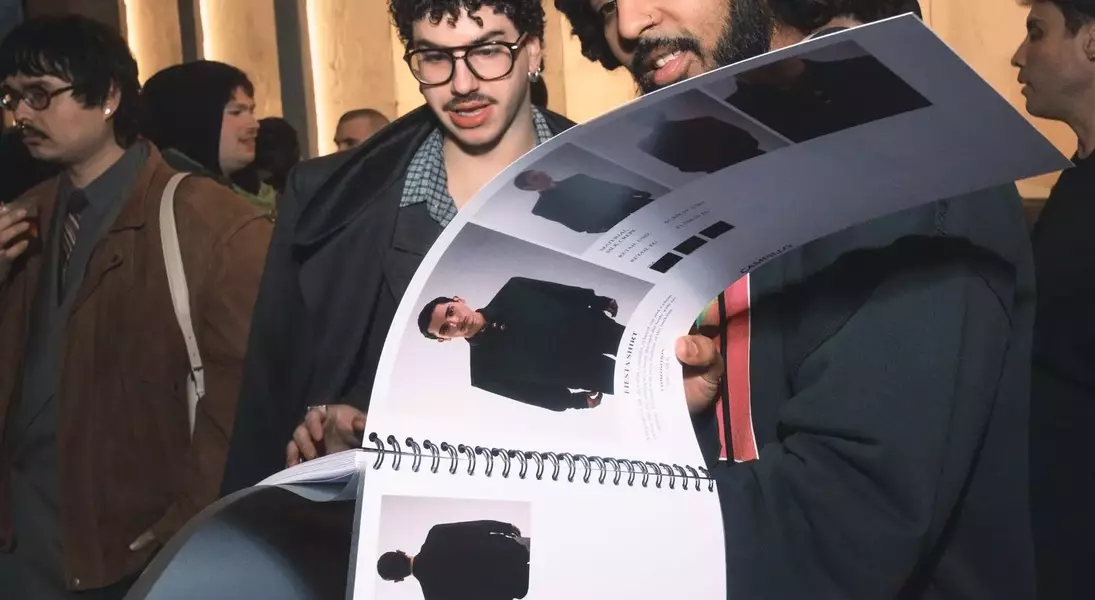
Beyond collection design, brands are rethinking retail and marketing. Many are bypassing traditional runway shows in favor of pop-up shops, like Roksanda Ilinčić on London's Sloane Street or Patricio Campillo's interactive space in New York's SoHo. These pop-ups serve as both sales channels and community-building platforms, allowing designers to engage directly with their clientele and test concepts for future permanent locations. Online presence is equally crucial; brands like Proenza Schouler, Still Here, and J. Press are investing in digital revamps to enhance direct-to-consumer online shopping experiences, while also exploring physical store expansions to foster local community ties.
Sales strategies are also evolving. Brands are increasingly forging relationships with independent retailers and strategically timing their presentations during fashion month to align with buyers' purchasing cycles. Japanese designers, for instance, are adapting New York's playbook by showing collections locally for regional stockists and then presenting in Paris showrooms to attract international buyers, often opting for off-schedule presentations to better coincide with global purchasing windows. Patricio Campillo employs a reverse strategy, hosting appointments during Paris Men's market before his New York show to capture early menswear budgets, effectively creating multiple sales opportunities.
In marketing, there's a strong pivot toward digital storytelling and targeted campaigns. Proenza Schouler's CEO, Shira Suveyke Snyder, highlighted a substantial investment in digital content for 2026 to articulate the brand's identity more clearly across social platforms. Rùadh's Cameron emphasizes digital storytelling to expand visibility beyond traditional word-of-mouth. Collaborations are also proving vital; EB Denim partnered with Everlane, and Maria McManus is collaborating with Agolde, aiming to reach new consumer bases. Furthermore, the by-appointment format is gaining traction as a marketing tool, allowing for deeper engagement with press, buyers, and even celebrities, fostering personal connections that drive repeat purchases and brand loyalty. J.Crew's Rollneck Remix project, inviting New York brands to reimagine a classic item, exemplifies a mainstream approach to increasing visibility.
The current landscape demands agility and innovation from fashion brands. Those that are embracing adaptability in their designs, optimizing their retail presence through both physical and digital channels, and refining their marketing to create meaningful connections are best positioned for sustained growth. The industry's evolution is not just about survival but about strategically reinventing the playbook for a resilient and relevant future.
