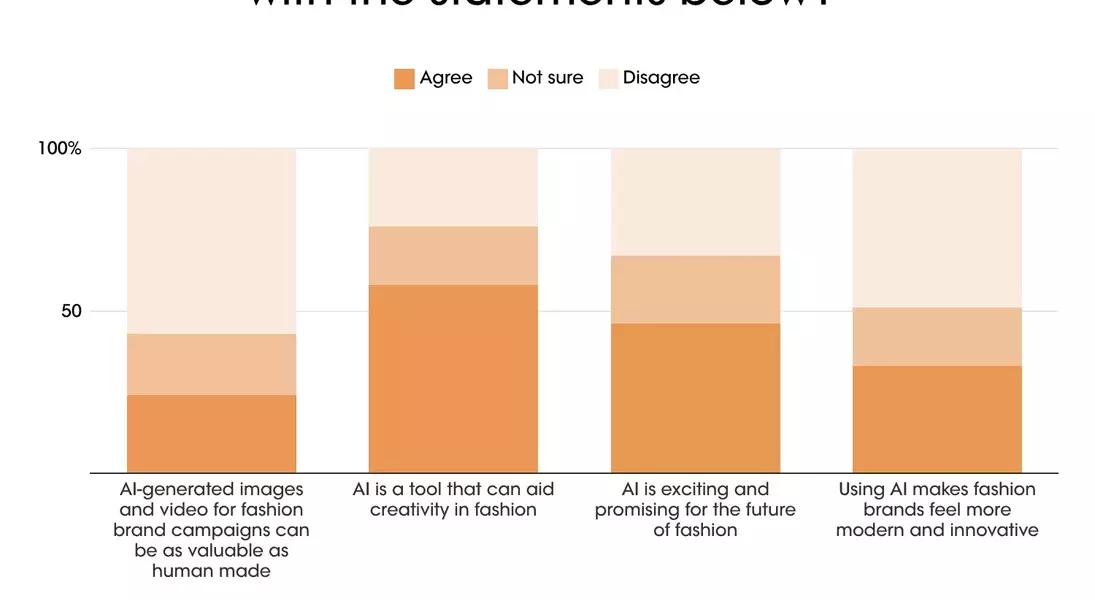
The integration of artificial intelligence into the fashion and beauty sectors presents a complex landscape, as indicated by a recent study involving readers from prominent lifestyle publications. While the potential for AI to streamline operations and offer novel consumer experiences is acknowledged, a prevailing sense of hesitation among consumers underscores the critical need for brands to meticulously manage AI's implementation. This reticence primarily stems from anxieties surrounding reliability, genuine interaction, the safeguarding of personal information, and the preservation of the industry's creative essence. For AI to truly flourish in this domain, a delicate equilibrium between technological advancement and consumer expectations must be achieved, particularly by focusing on "invisible AI" solutions that enhance efficiency without compromising the personal touch.
The study, conducted by Condé Nast's internal research team between March 16 and April 7, 2026, surveyed 251 readers of Vogue, Vogue Business, and GQ across the UK, US, and Europe. This cohort comprised individuals aged 16 and above, with a demographic split of 33% under 35 and 65% over 35. The majority of respondents were female (76%), with male respondents making up 22%. Geographically, 55% were based in the UK, 24% in the US, and 21% across other European countries. Income-wise, 45% were aspirational customers earning less than 100,000 in their local currency, while 37% earned over 100,000. This diverse group offered valuable insights into the nuanced perceptions of AI in their shopping habits.
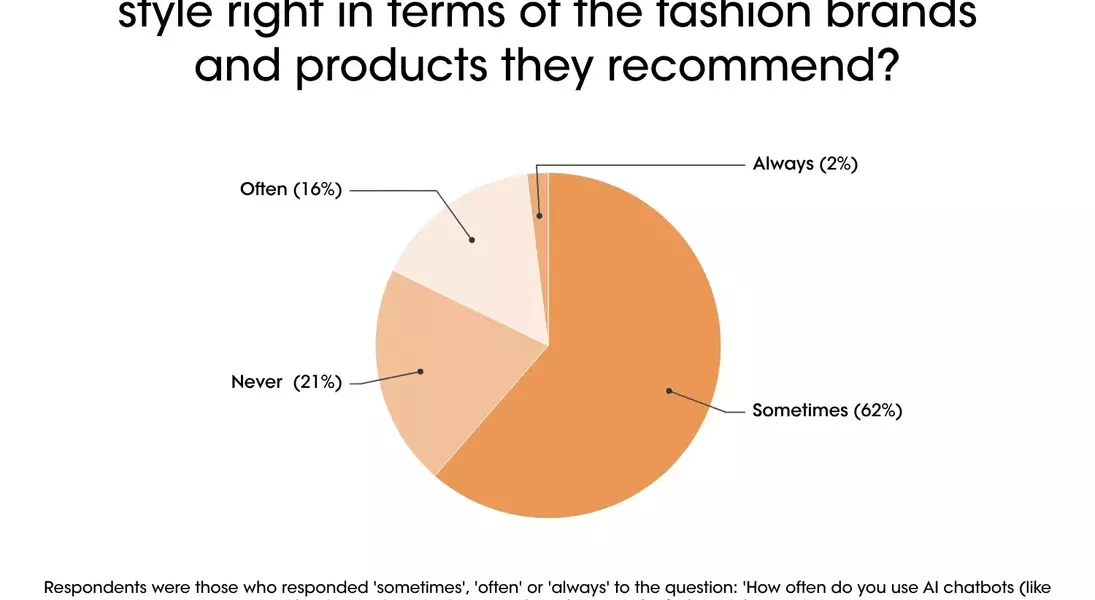
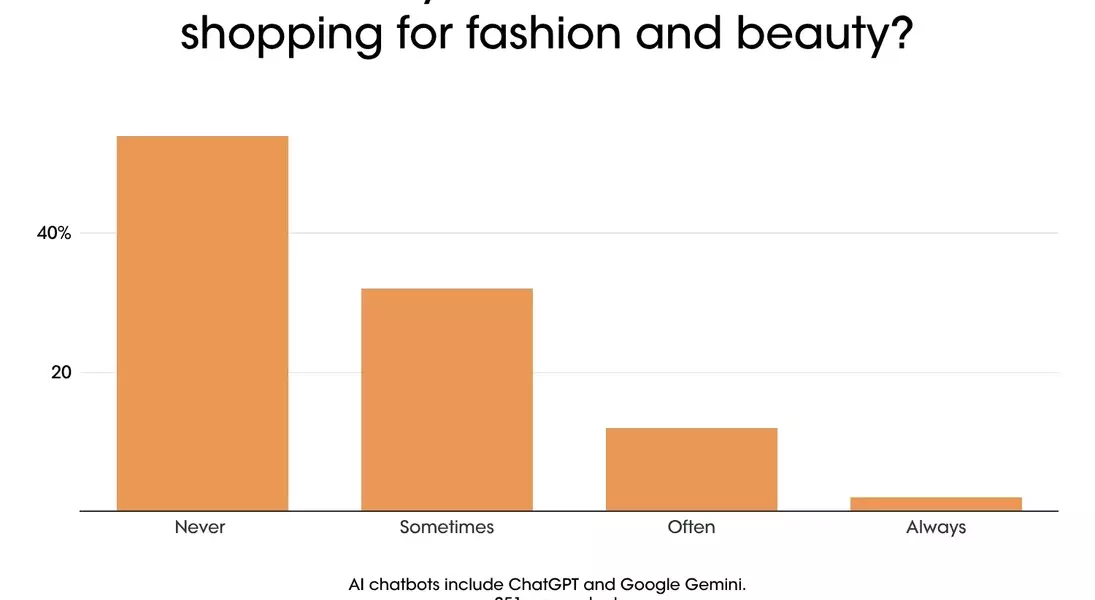
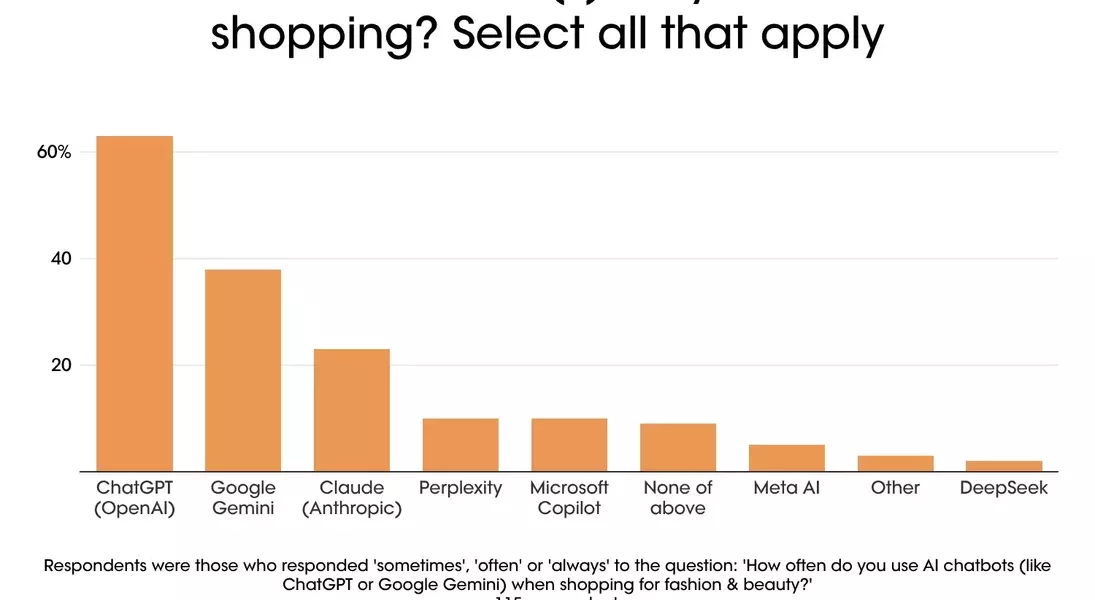
A significant finding from the survey highlights a disparity between general AI tool usage and its application in fashion and beauty shopping. While a considerable 43% of respondents reported frequent or constant use of AI chatbots like ChatGPT, Google Gemini, and Perplexity for broader purposes, their adoption for fashion and beauty purchases remains nascent. Over half (54%) have never utilized AI for this specific shopping need, and among those who do, usage is primarily sporadic. Only a small fraction (2%) consistently employ AI chatbots when buying fashion and beauty items, with 12% doing so often. This suggests that while consumers are familiar with AI, they are yet to fully embrace it for sartorial decisions.
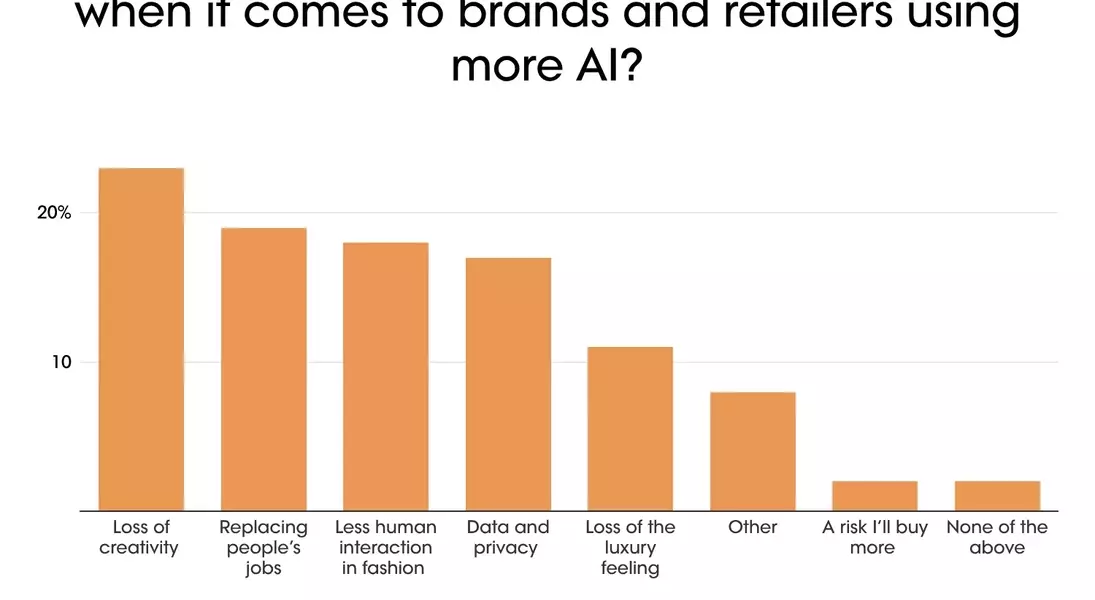
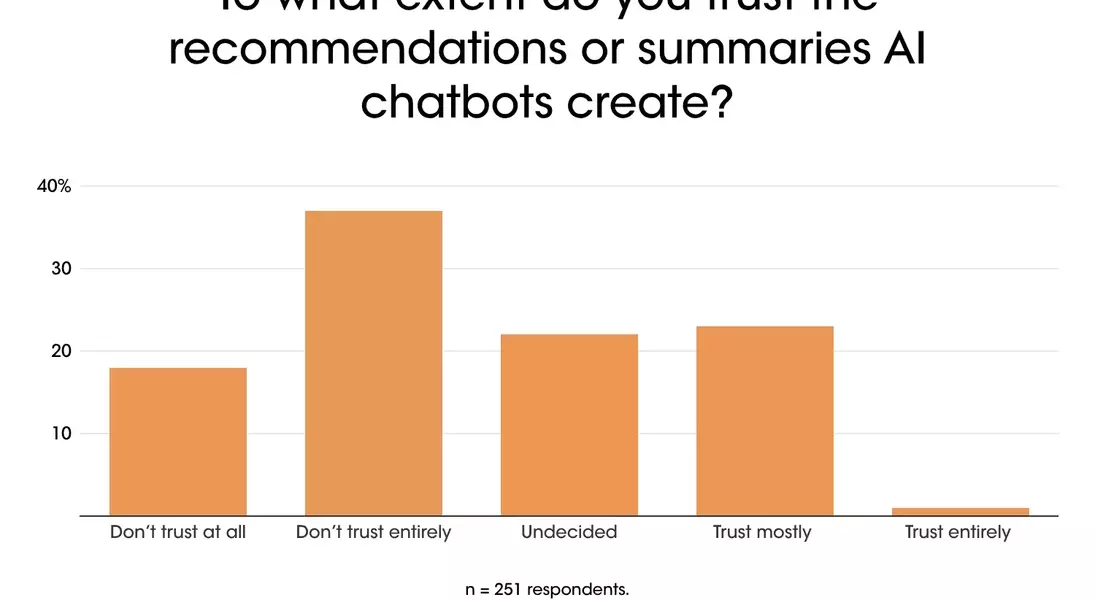
Consumers' reluctance to fully trust AI in fashion stems from various concerns. A major issue is the perceived lack of authenticity and human connection. Many respondents expressed a preference for human influencers over AI chatbots for recommendations, with 27% trusting influencers compared to only 8% for AI. This is because fashion is often viewed as an inherently human endeavor, valuing personal experience and creative expression. The fear that AI might lead to a loss of creativity (23%), job displacement (19%), reduced human interaction (18%), and data privacy breaches (17%) were also prominent concerns. Furthermore, 11% worried about a diminishing sense of luxury, indicating that for many, efficiency gained through AI might paradoxically detract from the aspirational appeal of high-end fashion.
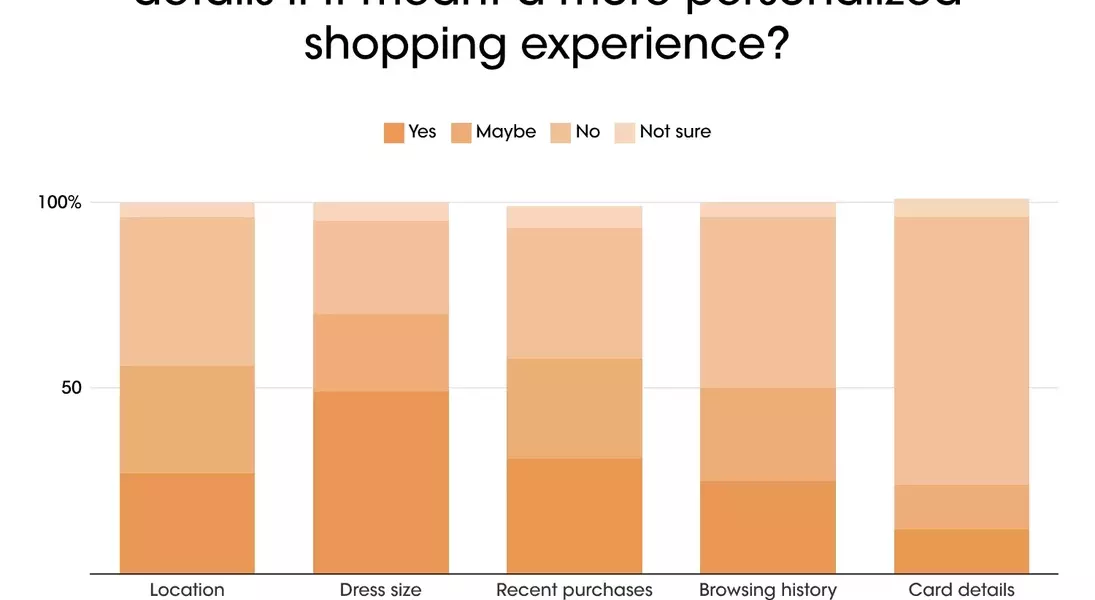
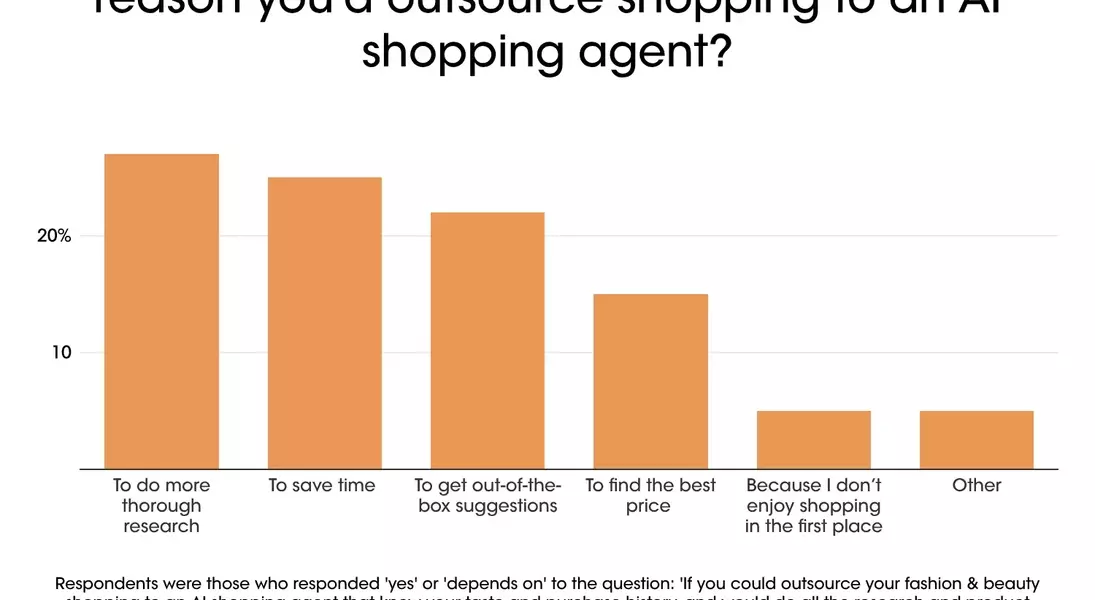
The survey also revealed a critical paradox concerning personalization in AI. While personalization is often touted as a key advantage of AI in retail, consumers expressed reservations about its potential to limit discovery and homogenize style. Many felt that AI algorithms, by narrowing options based on past behavior, could lead to repetitive recommendations, hindering the excitement of finding something new. The desire for control over their shopping experience was also strong, with only 31% willing to outsource shopping to an AI agent, even if it understood their preferences. This indicates that consumers are open to AI-guided experiences, but not to the extent that it removes their agency or the thrill of serendipitous discovery.
Ultimately, the success of AI in the fashion and beauty industries hinges on how effectively brands can address consumer apprehensions while delivering tangible value. This means focusing on behind-the-scenes applications that enhance efficiency without directly confronting consumers with AI, such as optimized inventory management or personalized sales associate tools. For luxury brands, weaving AI into their heritage and aesthetic could create unique, brand-aligned styling experiences. The goal is to leverage AI as a sophisticated extension of human expertise and creativity, rather than a replacement, thereby enriching the customer journey and offering unexpected delights that reinforce, rather than dilute, the allure of luxury fashion.
