Discover how a dedicated developer has breathed new life into classic Nintendo titles, offering fans enhanced experiences beyond official releases.
Relive Classics: Unofficial Ports Redefine Retro Gaming on 3DS
Bringing The Minish Cap to Modern Handhelds
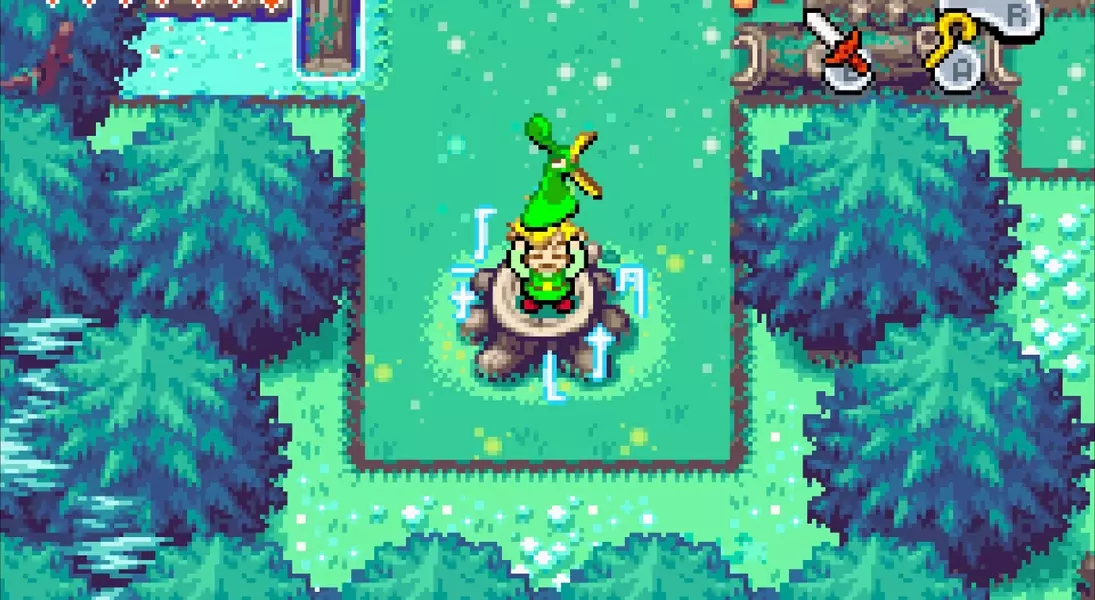
While the Nintendo 3DS previously offered "The Legend of Zelda: The Minish Cap" through its Virtual Console, this was merely a basic emulation of the Game Boy Advance original. A talented homebrew developer, known as estebanpdn, has recently unveiled a sophisticated, native 3DS port of this beloved 2004 action-adventure title.
Advanced Features and Performance Enhancements
This community-driven rendition of "Minish Cap" surpasses the official Nintendo offering with a wealth of new functionalities. It now fully utilizes the 3DS's dual-screen setup, dedicating the bottom screen to the map and other user interface elements. Players can also enjoy a widescreen view and intuitive touch controls. Furthermore, the port includes significant performance boosts, such as options to increase clock speeds, improved upscaling, and smoother frame rates, pushing beyond what was achievable on the original hardware. A built-in randomizer is also featured, promising renewed replayability for veteran players.
Expanding the Unofficial Library: Mario Kart 64 and A Link to the Past
estebanpdn's endeavors extend beyond "Minish Cap." The developer recently launched a native 3DS port of "Mario Kart 64," incorporating similar enhancements like a bottom-screen HUD and touch controls. Although multiplayer functionality is still under development, its future inclusion is anticipated. Not stopping there, a 3DS port of "The Legend of Zelda: A Link to the Past" was also released, adding turbo speeds and screenshot capabilities to its feature set.
The Mechanics Behind Fan-Made Ports
The legality of these ports stems from their unique approach: they do not distribute game ROMs or utilize proprietary Nintendo assets. Instead, users are required to provide their own legally acquired game ROMs. These projects are built upon extensive reverse engineering and decompilation efforts of the original games' codebases. The developer maintains transparency, inviting support through Patreon but emphasizing that contributions are entirely optional, as their commitment to these projects remains steadfast.
A Precedent Set by Other Community Projects
These "Zelda" and "Mario Kart" ports align with a broader trend of community-driven projects that leverage decompiled versions of Nintendo games. This groundwork has previously enabled advanced PC ports of titles like "Super Mario 64" and "The Legend of Zelda: Ocarina of Time," often despite Nintendo's objections. Notably, fans have even managed to port "Super Mario 64" from the N64 to the original PlayStation, showcasing the profound possibilities when original source code is reverse-engineered.
The Future of Official Releases vs. Fan Innovation
While fan efforts continue to push the boundaries of classic game preservation and enhancement, Nintendo is also planning its own modern re-release. An officially sanctioned, modernized remake of "The Legend of Zelda: Ocarina of Time" is scheduled for release later this year, targeting the upcoming Nintendo Switch 2. This juxtaposition highlights the evolving landscape where both official and community-led initiatives contribute to the longevity and accessibility of beloved video game classics.
