
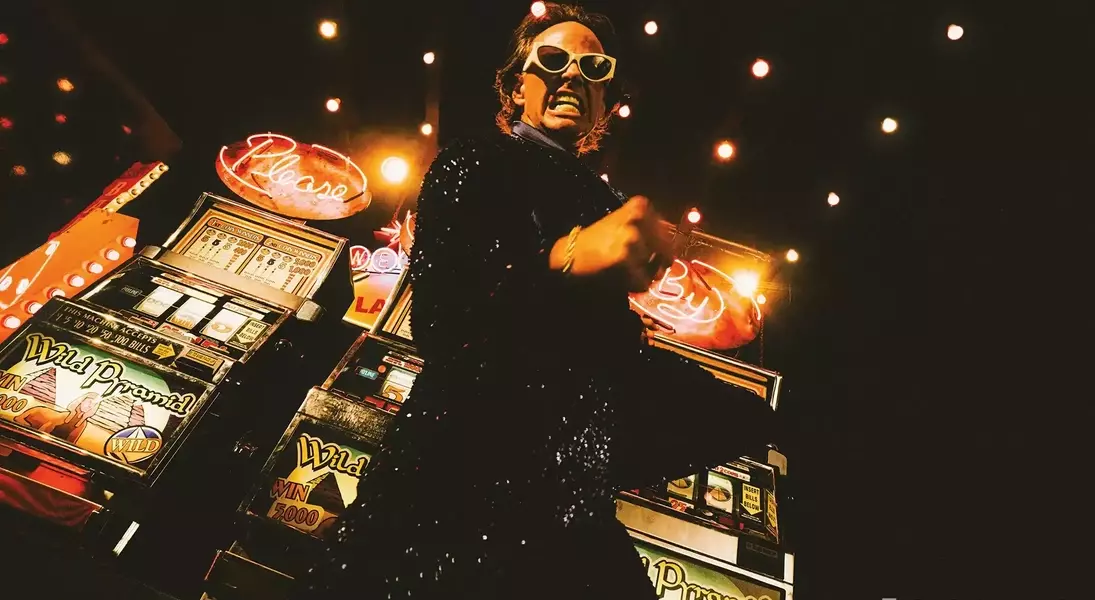
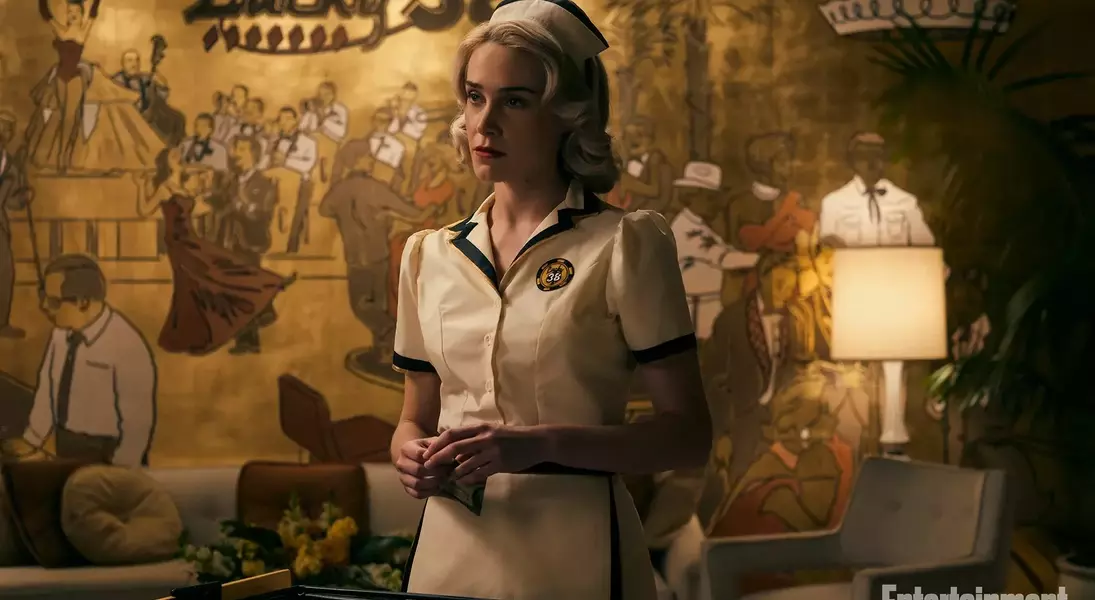

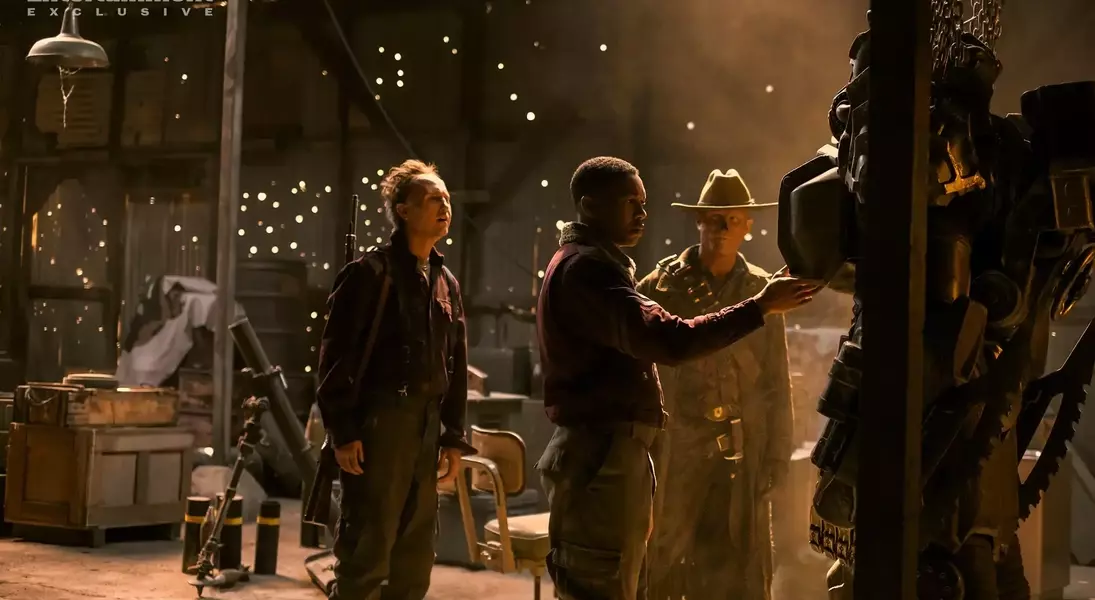
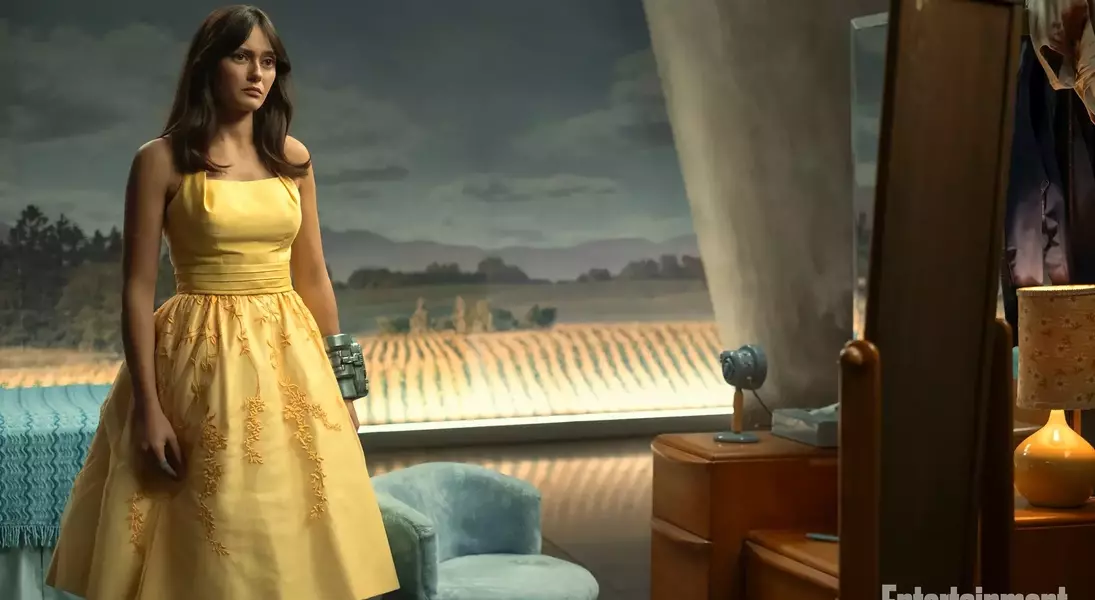

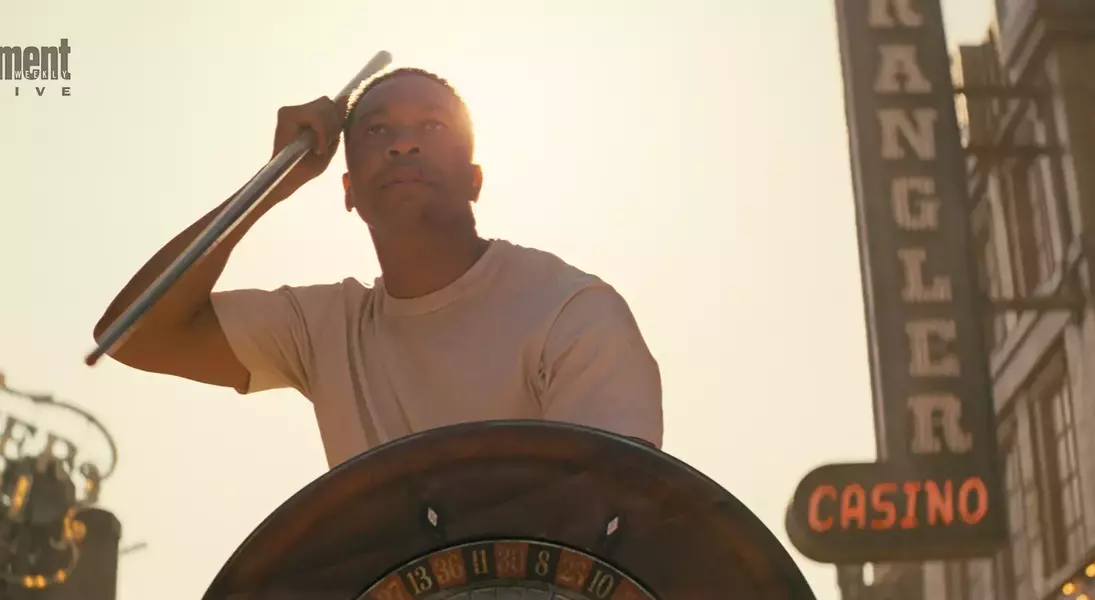
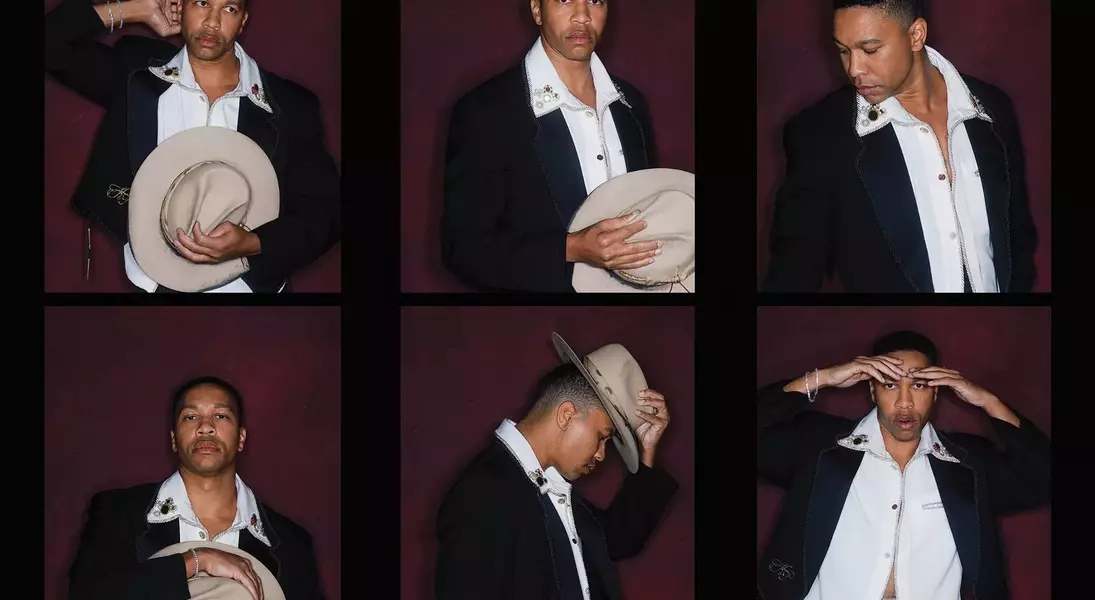
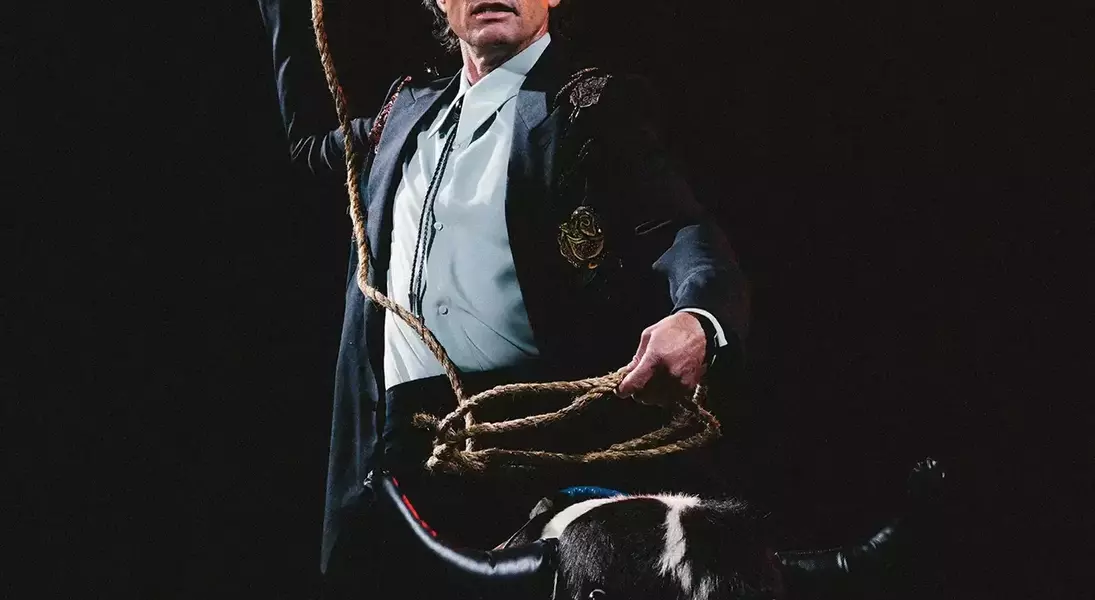
The second season of Prime Video's 'Fallout' series continues to expand its post-apocalyptic narrative, building on the critical and viewership success of its predecessor. Inspired by the popular 'Fallout: New Vegas' video game, this season immerses audiences deeper into the desolate yet vibrant world, introducing new challenges, creatures, and moral dilemmas. The cast and showrunners emphasize a bold approach, pushing the boundaries of the established mythology while delivering a compelling storyline that resonates with both long-time fans and new viewers. This expansion not only enriches the universe but also significantly advances the character arcs of Lucy, the Ghoul, and Maximus, setting the stage for a dramatic and revealing finale.
The creative team behind 'Fallout' season 2 has ambitiously brought more of the expansive video game lore to life. From the introduction of formidable creatures like Deathclaws and Radscorpions to the intricate reconstruction of retro-futuristic Las Vegas, both pre- and post-apocalypse, the series visually and narratively broadens its horizons. Key figures such as tech billionaire Robert House, new factions like the Legion and the New California Republic, and even a super mutant voiced by Ron Perlman, contribute to a richer, more complex world. This season also promises to unravel long-standing mysteries surrounding the world's destruction and the true allegiances of characters like Hank, challenging viewer perceptions and deepening the plot's intrigue.
The Evolving Journeys of Lucy and Maximus in a Perilous Wasteland
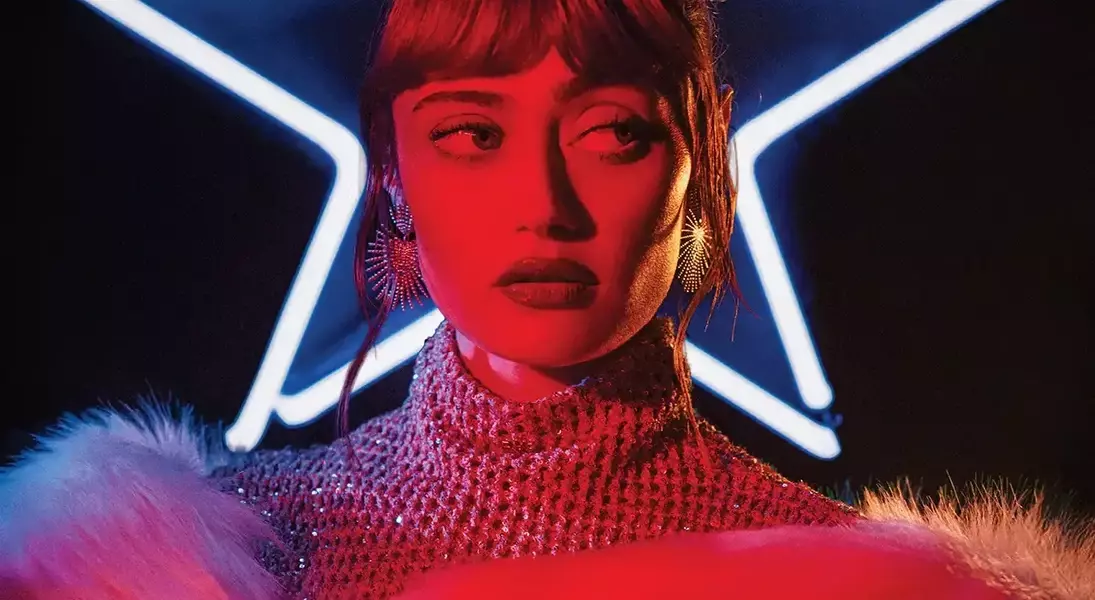
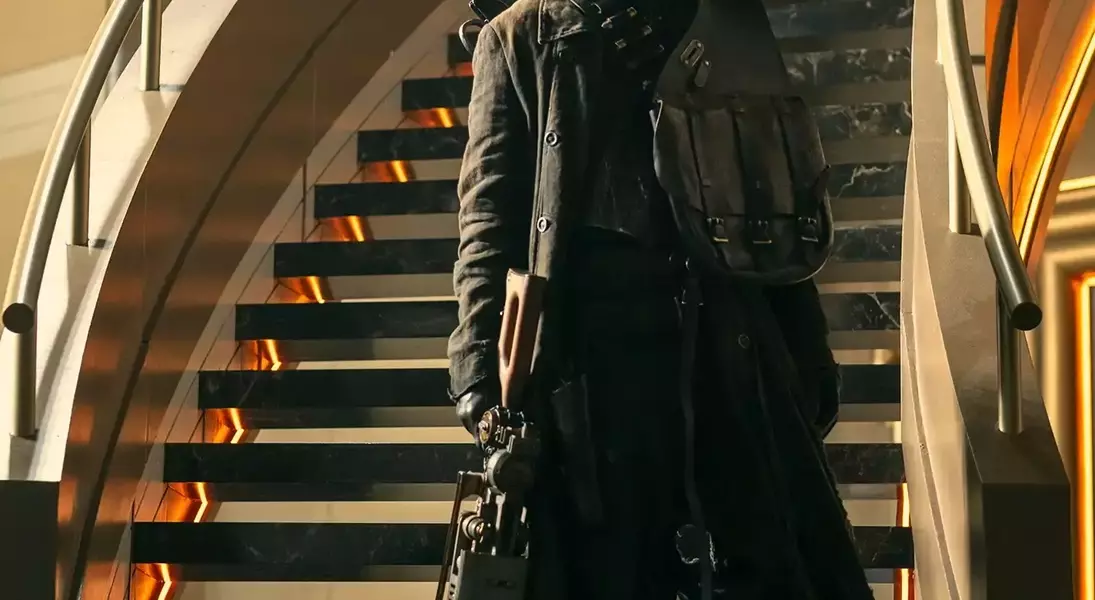
In the second season of 'Fallout', the protagonists Lucy and Maximus undergo significant transformations as they face the unforgiving realities of the Wasteland. Lucy, initially driven by a clear moral compass, finds her beliefs challenged by the complexities and compromises demanded by survival. Her journey to bring her father, Hank, to justice becomes entangled with unexpected revelations about his past and his involvement with a mind-control technology. This forces her to confront profound moral quandaries, questioning her previous understanding of good and evil. Meanwhile, Maximus, striving for heroism and acceptance, dons the iconic NCR power armor, leading to unforeseen consequences that highlight the show's theme of "be careful what you wish for." Both characters grapple with their evolving identities and purposes in a world that constantly tests their limits, leading to personal growth and difficult choices that define their paths forward.
Lucy's character arc this season is particularly compelling, as she navigates the emotional turmoil of confronting her father's true nature and the morally ambiguous advantages of his advanced mind-control technology. Her struggle reflects a deeper exploration of human nature and adaptation in extreme circumstances. The show's creative team intentionally pushes her beyond her initial naive vault-dweller persona, forcing her to make choices that blur the lines between heroism and survival. Similarly, Maximus's desire to protect others and his use of the power armor, which inadvertently unleashes Deathclaws, underscores the intricate web of cause and effect in the Wasteland. His actions, though well-intentioned, create a new set of problems, compelling him to face the consequences and decide how far he is willing to go to rectify his mistakes. The physical challenges of filming these sequences, particularly the practical effects used for creatures like the Deathclaws, enhance the immersive and gritty portrayal of their struggles.
Unveiling Mysteries and Shifting Alliances: The Ghoul and Robert House
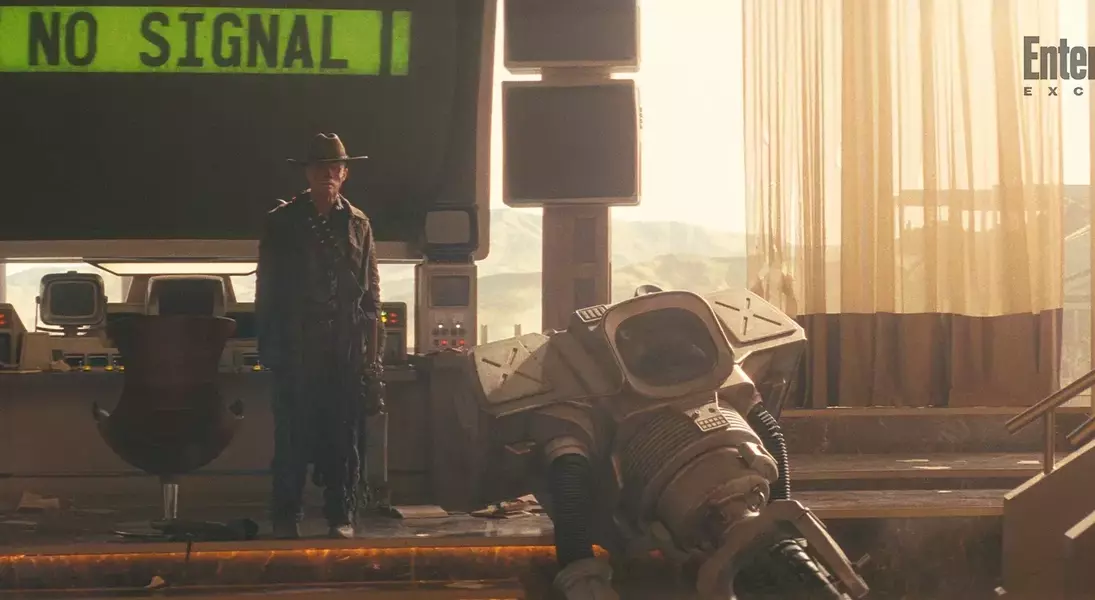
The second season of 'Fallout' dramatically advances the storyline of the Ghoul, revealing pivotal aspects of his past as Cooper Howard and setting the stage for a monumental confrontation with Robert House. Through a series of compelling flashbacks, viewers witness Cooper's earnest attempts to prevent global catastrophe by entrusting critical cold fusion technology to the President, a decision that ultimately proves disastrous. In the present, the Ghoul's relentless pursuit leads him to Mr. House's hidden lair, where the cold fusion diode finally brings House's preserved consciousness to light. This long-awaited meeting not only clarifies House's motivations and the extent of his influence but also hints at a complex history and unresolved issues between him and the Ghoul, promising a climactic resolution that will reshape the power dynamics of the Wasteland.
The intricate narrative surrounding the Ghoul and Robert House is a cornerstone of this season, providing crucial insights into the origins of the post-apocalyptic world. Cooper Howard's journey in the past underscores themes of trust and betrayal, as his idealism collides with the corrupt machinations of powerful figures like Congresswoman Welch and the President. His transformation into the Ghoul is a direct consequence of these events, fueling his relentless quest for answers and retribution in the present. The reveal of Robert House as a disembodied consciousness, powered by the very technology Cooper sought to safeguard, adds another layer of complexity. The showrunners' decision to use practical effects for the interaction between Goggins and Justin Theroux (as House) emphasizes their commitment to authenticity, making their dramatic encounter all the more impactful. This storyline is poised to explore profound questions of identity, power, and the cyclical nature of human ambition, with the finale expected to deliver a powerful resolution regarding the Ghoul's family and House's ultimate intentions.
