
Tim Cain, a foundational figure in the creation of the acclaimed Fallout series, recently shared insights into the crucial role of tonal consistency in game development. His reflections shed light on how early design choices shaped the unique atmosphere of the original game, emphasizing the delicate balance required to maintain a coherent narrative and aesthetic.
Upholding the Essence: How Design Choices Define a Universe
Crafting a Cohesive Universe: The Art of Tonal Integrity
Tim Cain's latest video offering provides a captivating look into the meticulous process behind establishing a game's identity. He stresses that a game director's primary responsibility extends beyond mere mechanics; it involves curating a unified experience where every element contributes to a singular, intended tone. This principle often necessitates the rejection of seemingly good ideas if they clash with the overarching vision.
Rejecting the Anomaly: "Terminator-Style" Robots in Original Fallout
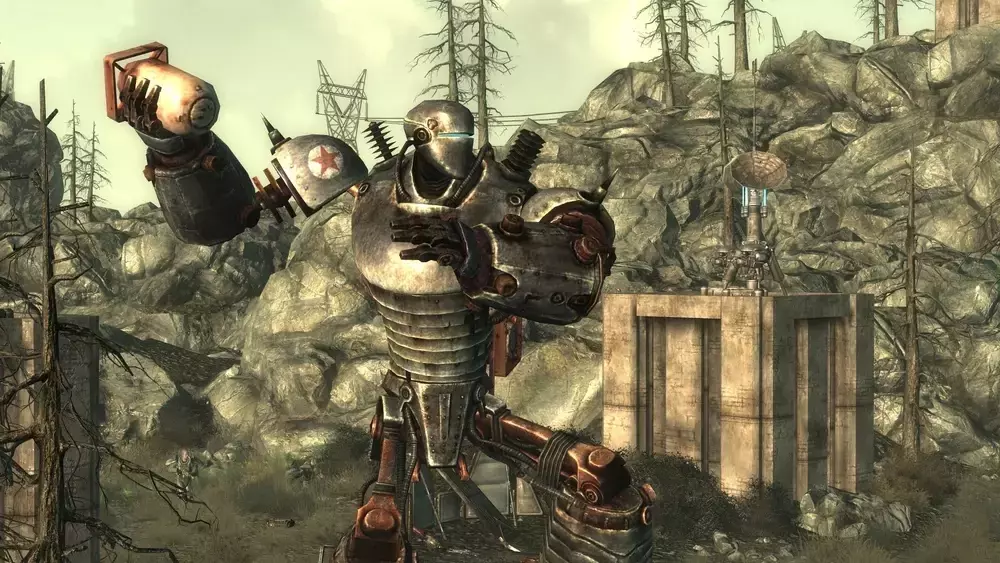
As a prime illustration, Cain recounts his decision to exclude "Terminator-style" robotic adversaries from the initial Fallout concept. Despite their inherent appeal, these advanced machines were deemed inconsistent with the game's anachronistic 1950s atomic age aesthetic. He distinctly articulated that the more whimsical, retro-futuristic Mr. Handy robots, integral to Fallout's charm, could not coexist tonally with the grim, menacing nature of a Terminator-esque endoskeleton.
The Echo of Decisions: Reflecting on Fallout 4's Narrative Direction
This discussion naturally prompts contemplation of Fallout 4, a subsequent installment that significantly deviated by centering its plot around sentient androids and their quest for liberation. While Fallout 4 has its merits, its core narrative often felt discordant with the established retro-futuristic setting, leaning more towards dystopian sci-fi narratives like Blade Runner than the quaint, post-apocalyptic charm of the 1950s-inspired world.
Beyond Robotics: The Case of the Talking Raccoons
Cain further reinforced his commitment to tonal purity by revealing another intriguing exclusion: a race of talking raccoons. He clarifies that the concept itself wasn't inherently flawed but simply did not align with the game's envisioned tone. This anecdote underscores the rigorous discernment applied during the original game's development to ensure every component resonated with the intended experience.
The Visionary's Insight: A Consistent World, a Lasting Legacy
The veteran game developer’s uncompromising stance on maintaining a singular tone undoubtedly contributed to the enduring appeal and distinctive identity of the first Fallout game. His philosophy champions the idea that a game's world is strengthened by its internal logic and stylistic unity, preventing disparate elements from diluting its unique character.
