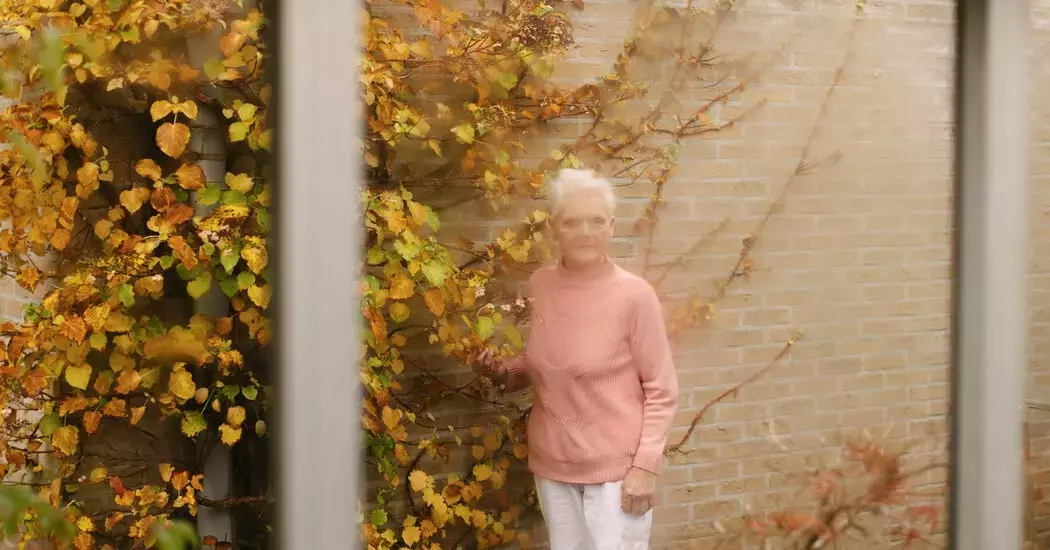
Life in the picturesque village of Castricum by the sea holds many joys for Irene Mekel, who resides in a charming, well-kept home. Despite her deep attachment to this place, Irene, an 82-year-old former nurse, is now confronted with a difficult decision that no one should have to make. Diagnosed with Alzheimer’s disease a year ago, she understands the inevitable decline ahead. Her past experiences caring for her sister with vascular dementia have given her insight into what lies ahead. With the support of her three children and modern technology, Irene manages her daily life, but she knows this won't last forever.
As her condition progresses, Irene has made a firm decision about her future. She is adamant about preserving her dignity and independence, refusing to move into a nursing home. In the Netherlands, citizens have the legal right to request medical assistance in ending their lives under certain conditions. Recognizing this option, Irene has applied for medically assisted death. However, the process has not been without challenges. Her family doctor, while supportive of euthanasia in principle, cannot assist because Irene will eventually lose the capacity to give consent. This leaves Irene in a precarious position, balancing her desire for control over her fate with the limitations imposed by the system.
Despite these hurdles, Irene remains resolute in her determination to live—and end—her life on her own terms. Her courage in facing such a profound decision reflects a broader conversation about dignity and autonomy in end-of-life care. By choosing to take charge of her future, Irene exemplifies the importance of personal agency and the need for compassionate policies that respect individual choices. Her story highlights the ongoing dialogue about how society can better support individuals in making end-of-life decisions with grace and dignity.
