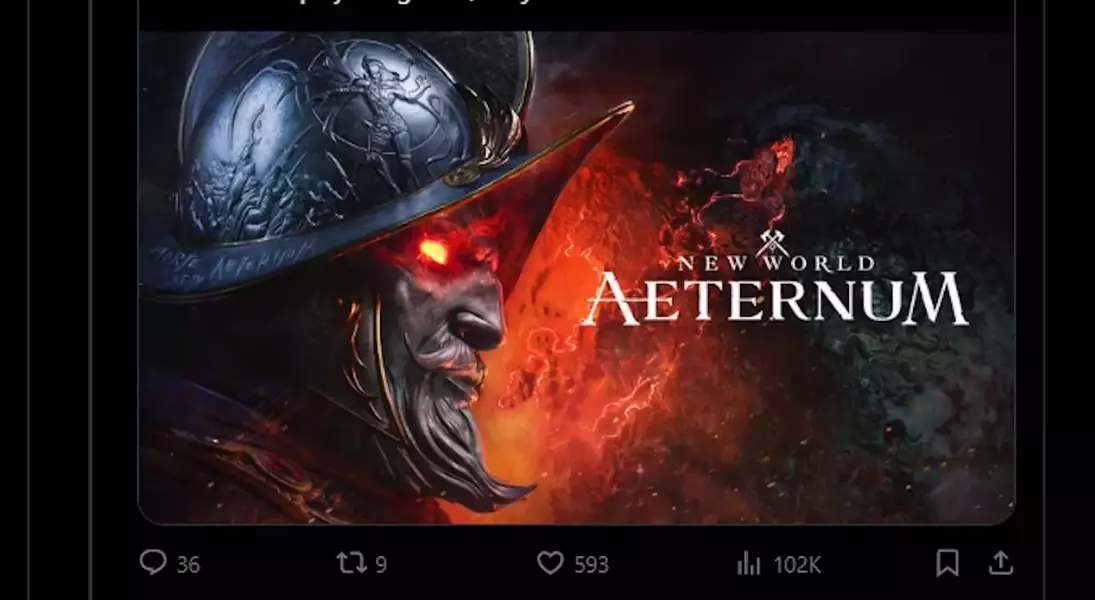
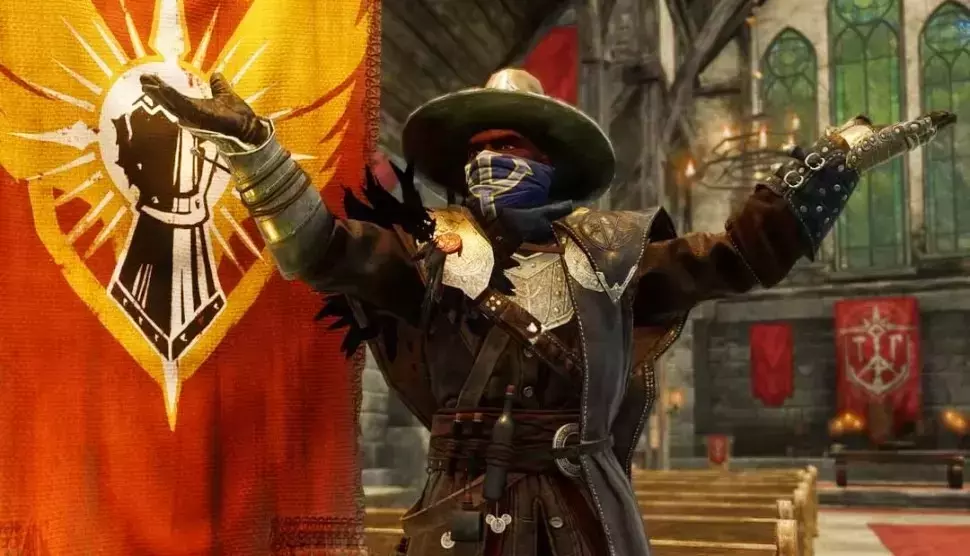
In a surprising development within the gaming industry, Facepunch Studios has publicly expressed its interest in acquiring Amazon's 'New World' massive multiplayer online game. This potential acquisition stems from a belief that successful games deserve a prolonged lifespan, challenging the common practice of shuttering titles that, while not blockbuster hits, still maintain a dedicated player base. The discussion has quickly gained traction, drawing in other prominent figures from the gaming world, and sparking hope among fans of the game.
This bold proposal highlights a growing sentiment within the gaming community and among developers that titles with passionate followings should be preserved. It raises questions about the long-term value of games beyond their initial commercial peak and the potential for independent studios to breathe new life into existing intellectual properties. The outcome of this offer could set a precedent for how the industry approaches game preservation and the opportunities available to moderately successful online worlds.
A daring proposition for a digital world
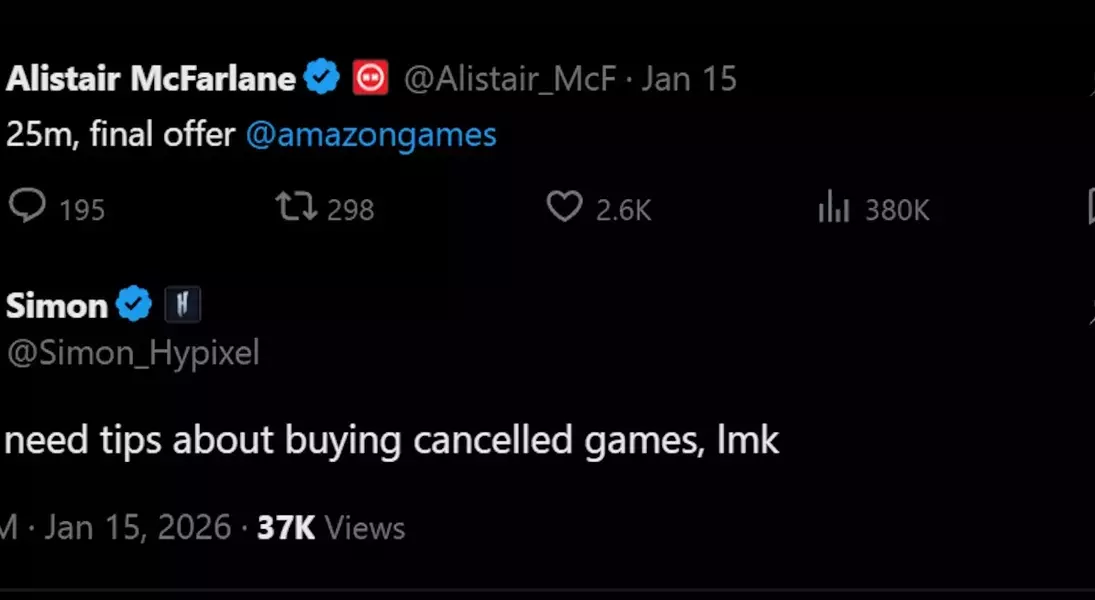
Alistair McFarlane, the chief operating officer of Facepunch Studios, has put forward a notable offer of $25 million to purchase 'New World,' an online role-playing game developed by Amazon, which is scheduled to cease operations in January 2027. McFarlane's initiative is motivated by his strong conviction that "games should never die," a philosophy that underpins Facepunch Studios' own history of supporting long-running titles such as 'Garry's Mod' and 'Rust.' The offer, initially presented through social media platforms, quickly evolved into a serious discussion point, captivating the attention of various industry professionals and the gaming community alike. The proposition also received backing from notable figures, including John Buckley of Pocketpair and Simon Collins-Laflamme, known for his success in reviving previously cancelled games, suggesting a collective interest in preventing the game's demise. This collaborative support underscores a broader desire within the industry to find innovative solutions for game preservation and continuity.
The announcement of this bid has generated considerable debate regarding its seriousness and feasibility. While the initial offer might have appeared informal, McFarlane's subsequent statements indicate a genuine strategic interest from Facepunch Studios, which is currently expanding its business with a new publishing arm. He emphasized that the studio is actively exploring various avenues and opportunities to grow its portfolio, making the acquisition of 'New World' a potentially viable move. This situation is particularly intriguing given Amazon Games' recent shift in focus and significant layoffs, hinting at a possible receptiveness to offers for its gaming assets. The $25 million offer, while perhaps a fraction of Amazon's overall budget, could represent a substantial return for a game that is otherwise set to be decommissioned. The coming months will reveal whether this ambitious proposal transforms into a concrete deal, potentially offering 'New World' players a renewed future and setting a new benchmark for game longevity in a constantly evolving digital landscape.
The future of game longevity
Facepunch Studios' potential acquisition of 'New World' transcends a mere business transaction; it represents a significant commentary on the value of game longevity and community engagement in the modern gaming landscape. McFarlane's steadfast belief that "games shouldn't die" echoes a growing sentiment among players and developers who champion the preservation of digital worlds that have fostered communities and offered unique experiences. This philosophy is deeply ingrained in Facepunch's operational model, as demonstrated by the enduring success of its own titles, 'Garry's Mod' and 'Rust,' which have maintained vibrant player bases for over a decade. By seeking to rescue 'New World,' Facepunch aims to prevent the loss of an online ecosystem that, despite its challenges, still holds appeal for a segment of the gaming population. This proactive approach could establish a new precedent for how the industry views and manages games that achieve moderate success but face potential shutdown due to corporate restructuring or evolving strategic priorities.
The current scenario also sheds light on Amazon Games' broader strategy and its potential willingness to divest assets that no longer align with its core focus. With recent reports indicating a pivot away from internal AAA game development and toward its cloud gaming platform, Luna, the sale of 'New World' could be a pragmatic decision for the tech giant. While $25 million might seem a modest sum for a company of Amazon's scale, it represents a tangible asset recovery for a project that would otherwise be fully depreciated. The involvement of other industry veterans in supporting McFarlane's initiative further solidifies the idea that there is a collective appetite for mechanisms that allow games to persist beyond their original publisher's plans. Should this acquisition move forward, it would not only offer a lifeline to 'New World' but also serve as a compelling case study for the independent acquisition and revitalization of established online game properties, potentially inspiring similar efforts across the industry and reshaping perceptions of a game's terminal lifecycle.
