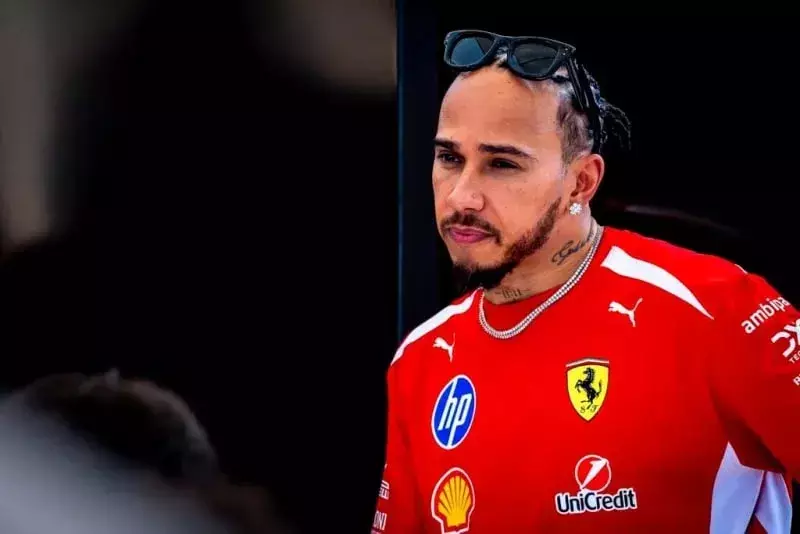
Formula 1's new technical regulations for 2026 have introduced a significant shift, particularly concerning the power unit, which now mandates an equal distribution between electrical and combustion energy. This fundamental change has sparked considerable discussion and apprehension among drivers, team personnel, and fans alike. The recent pre-season testing in Bahrain provided a platform for two of the sport's most influential figures, Lewis Hamilton and Max Verstappen, to articulate their shared concerns regarding the implications of these new rules on the nature of racing and the driving experience. Their unified stance underscores a broader sentiment of uncertainty and a perceived deviation from the sport's traditional characteristics.
The core of the issue, as highlighted by both Hamilton and Verstappen, revolves around the increased emphasis on energy management. Hamilton specifically pointed out the significant amount of 'lift-and-coast' required even during qualifying laps, citing an example from Barcelona where drivers would need to lift and coast for 600 meters. This practice, typically reserved for conserving fuel or managing tire wear towards the end of a race, becoming a prominent feature in qualifying sessions, suggests a dramatic alteration to the driving approach. Hamilton emphasized that such a scenario fundamentally diverges from the essence of competitive racing.
Verstappen echoed these sentiments, humorously comparing the new F1 cars to "Formula E on steroids," a remark that encapsulates the feeling of a departure from the traditional Formula 1 driving experience. He expressed a strong opinion that the rule makers might have gone "too far" with these changes, questioning the necessity of such extensive modifications. Both drivers' observations from the testing track in Sakhir suggest that the new engine formula significantly changes how races will be strategized and executed, with a greater focus on managing energy balance throughout a lap.
Despite the concerns, some observers believe that these new regulations might inadvertently favor drivers with exceptional energy management skills. Max Verstappen, for instance, is often cited as a driver who could benefit from this shift due to his renowned mental acuity and extensive experience in simulator racing. Former Red Bull chief Helmut Marko has previously praised Verstappen's superior ability in energy management, suggesting he possesses a natural advantage in this area. This aptitude, combined with his dedication to simulator training, allows him to process complex data and make rapid, precise decisions, which will be crucial in navigating the intricacies of the new power units.
Laurent Mekies further elaborated on this, attributing Verstappen's potential edge to his "brainpower," implying a cognitive advantage that sets him apart from his competitors. This mental sharpness enables him to optimize performance under the challenging conditions imposed by the new regulations, potentially widening the gap between him and other drivers. While the new rules aim to level the playing field or introduce new challenges, they might inadvertently amplify the strengths of drivers who are adept at the strategic aspects of energy conservation and deployment.
The early feedback from two of Formula 1's most influential figures indicates a significant shift in the sport's landscape under the 2026 regulations. The increased complexity of energy management and the prevalence of 'lift-and-coast' suggest a future where strategic driving and mental agility will play an even more critical role. This evolution raises questions about the balance between raw speed and technical management, potentially reshaping the competitive dynamics of Formula 1 for seasons to come.
