ExxonMobil's shares have recently experienced a substantial increase, yet many individual investors may be missing the full picture behind this upward trend. The market is currently grappling with heightened crude oil prices, largely influenced by geopolitical instability in the Middle East, leading to a complex landscape for energy stocks. This analysis explores the reasons for ExxonMobil's robust performance, its forward-looking initiatives in artificial intelligence and sustainable energy solutions, and the potential disconnect between these fundamental strengths and the retail investment community's perception.
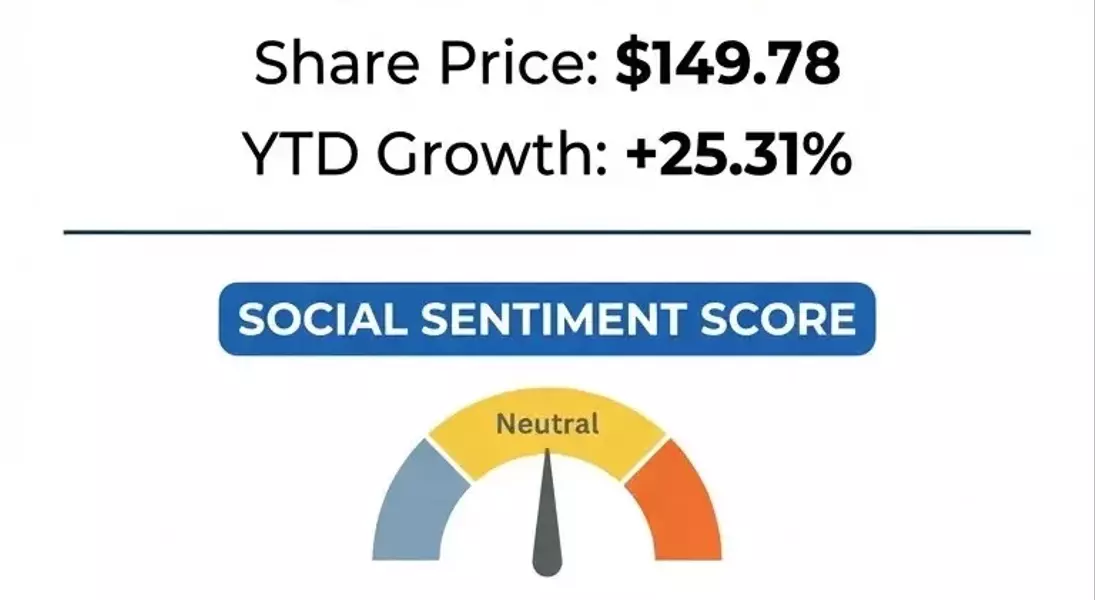
As of a recent assessment, ExxonMobil's stock was observed trading at approximately $149.78, reflecting a year-to-date growth exceeding 25% and an annual increase nearing 40%. This impressive trajectory coincides with a shift in retail investor sentiment, moving from a predominantly bearish outlook to a more neutral stance, as evidenced by online discussions. This change in sentiment appears to directly correlate with the sharp rise in crude oil prices, which have surged from around $60 per barrel to over $71 per barrel within a short period, fueled by growing tensions in the Middle East. Predictions from platforms like Polymarket even suggest a high probability of Iran closing the Strait of Hormuz, further escalating concerns about oil supply.
Despite the company's strong stock performance and a recent upgrade in its price target by Citigroup from $118 to $150, retail investors on forums like Reddit have expressed skepticism regarding the long-term sustainability of these gains. Discussions highlight concerns that oil companies' hedging strategies might delay the immediate impact of price spikes on earnings, suggesting that the market may be anticipating a reversion to the mean before quarterly reports fully reflect current crude prices. Additionally, past sentiment indicated a belief that a 'bubble' existed in Big Oil, rather than Big Tech, citing geopolitical fear premiums and dividend-chasers as drivers of valuation, rather than solid fundamentals. This perspective, however, seems to overlook ExxonMobil's strategic pivots and investments.
ExxonMobil is actively diversifying its portfolio and investing in future technologies. The company is making significant strides in AI infrastructure, partnering with technology giants like NVIDIA and Hewlett Packard Enterprise for supercomputer deployments. Furthermore, its Mobil Lithium initiative aims to establish a presence in the electric vehicle battery supply chain by 2027. These ventures represent a proactive approach to evolving energy landscapes and technological advancements, which may not be fully appreciated by a retail investor base primarily focused on immediate oil price fluctuations and historical financial metrics. For instance, while full-year net income for 2025 saw a decrease, and Q4 revenue slightly missed analyst estimates, the company achieved record production levels and substantial cost savings. Its Permian Basin operations and the Guyana Yellowtail project have also demonstrated strong operational success, contributing to a broader narrative of efficiency and growth. The CEO has emphasized the transformative potential of AI and data platforms in enhancing operational speed and integration, promising significant future returns.
Concurrently, competitor Chevron is also navigating a similar macroeconomic environment, having recently finalized its acquisition of Hess and expanded its involvement in Guyana. Both energy giants benefit from current geopolitical tailwinds. However, ExxonMobil distinguishes itself with a compelling long-term investment profile, boasting an annualized shareholder return of 29% over five years and an impressive record of 43 consecutive years of dividend growth. This track record underscores its appeal as a robust income-generating asset, a characteristic that pure-play exploration and production firms often cannot match. Upcoming catalysts, such as the initial cargo shipments from the Golden Pass LNG project anticipated early in March 2026 and a data center carbon capture announcement expected by the close of 2026, further highlight ExxonMobil's forward momentum and commitment to both traditional energy and innovative solutions. The continued underestimation of these strategic moves by retail investors suggests a potential for future re-evaluation as the company's diversified investments begin to yield more evident returns.
