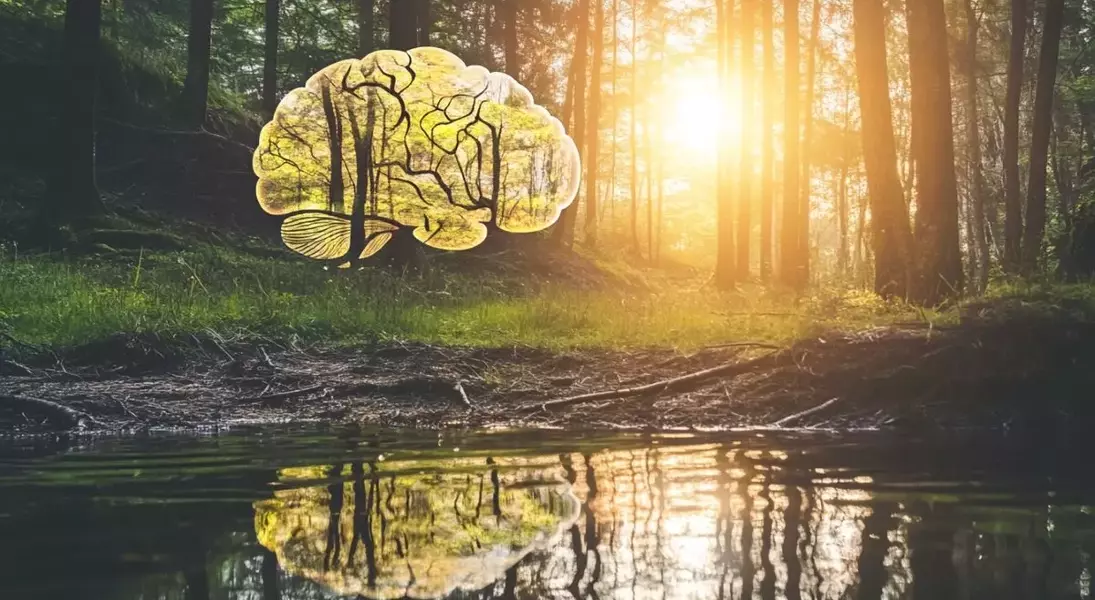
A groundbreaking neuroimaging study has uncovered that exposure to natural scenes can significantly diminish the perception of pain. This research, conducted by a team from the University of Vienna and the University of Exeter, utilized advanced machine learning to analyze brain activity. Participants reported reduced pain levels when viewing virtual nature compared to urban or office settings. The findings indicate that this effect stems from decreased sensory signal processing in the brain rather than a placebo response, suggesting potential for non-invasive, technology-based pain management solutions.
Details of the Study on Pain Reduction Through Virtual Nature
In a meticulously designed experiment, researchers used functional magnetic resonance imaging (fMRI) to monitor the brain activity of 49 participants in Austria. These individuals were subjected to mild electric shocks while watching videos of various environments, including serene natural landscapes, bustling cityscapes, and indoor office spaces. During the presentation of the natural scenery, not only did participants report feeling less discomfort, but their brain scans also revealed altered responses in regions associated with pain processing. Specifically, areas responsible for interpreting sensory pain signals showed diminished activity, providing concrete evidence that nature's soothing influence extends beyond subjective experience.
This study builds upon earlier work by Roger Ulrich, who demonstrated four decades ago that hospital patients recovered more quickly and required fewer analgesics when their rooms overlooked green spaces rather than brick walls. By employing state-of-the-art technology and rigorous methodology, the recent investigation clarifies the biological mechanisms underlying these benefits, marking a significant advancement in understanding how environmental factors affect health outcomes.
Lead author Max Steininger emphasized that the observed reduction in pain perception was approximately half as effective as traditional painkillers yet remains a promising supplementary treatment option. Furthermore, co-author Dr. Alex Smalley highlighted the practical applications of virtual nature experiences, which could deliver therapeutic effects to individuals unable to access real-world green spaces due to mobility or other constraints.
From a journalist's perspective, this research underscores the profound connection between human well-being and the natural world. It challenges us to rethink modern healthcare paradigms by integrating eco-friendly approaches into conventional practices. As society grapples with increasing demands for sustainable solutions, leveraging technology to simulate beneficial natural encounters presents an innovative avenue worth exploring further. Such insights not only enhance our knowledge of neurological processes but also advocate for preserving and promoting access to genuine natural environments for everyone’s benefit.
