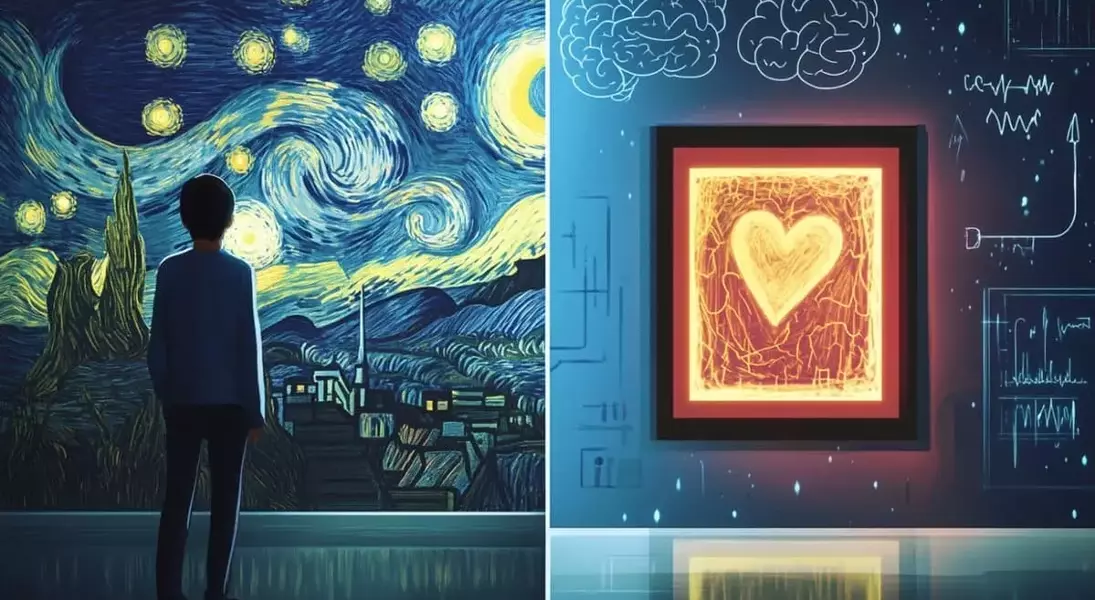
A groundbreaking study reveals that engaging with visual art can profoundly enhance emotional health and personal growth. This research underscores the potential for integrating artistic experiences into everyday life, offering a cost-effective solution to support mental wellness across diverse settings.
Discover How Art Transforms Lives
The Transformative Impact of Art on Emotional Health
In recent years, the therapeutic potential of art has garnered significant attention from researchers worldwide. A comprehensive review of 38 studies involving over 6,800 participants highlights how viewing art contributes to meaningful improvements in emotional wellbeing. These findings emphasize art's role in fostering eudemonic wellbeing—a deeper sense of purpose, fulfillment, and self-awareness.Art exposure is not merely an aesthetic experience; it transcends superficial appreciation to evoke profound psychological responses. Whether through iconic masterpieces like Edvard Munch’s "The Scream" or contemporary installations, individuals report heightened feelings of connection and introspection. The versatility of art forms—from traditional paintings to modern digital creations—ensures universal accessibility regardless of cultural background or artistic knowledge.Promoting Wellbeing Beyond Traditional Spaces
Contrary to popular belief, the benefits of art are not confined to galleries or museums. Hospitals, virtual platforms, and even home environments serve as equally effective venues for experiencing its transformative effects. For instance, patients recovering in clinical settings often find solace and inspiration through carefully curated exhibitions designed to alleviate stress and anxiety.This adaptability makes art an invaluable resource for promoting mental health across varied demographics. Policymakers and healthcare providers are increasingly recognizing this potential, advocating for broader integration into public health strategies. By embedding art into daily routines, communities can foster resilience and improve overall quality of life without prohibitive costs.Addressing Research Gaps and Standardizing Methodologies
Despite growing interest in art's influence on wellbeing, inconsistencies in research methodologies have hindered definitive conclusions. To address this challenge, experts developed the Receptive Art Activity Research Reporting Guidelines (RAARR). These guidelines aim to establish standardized protocols for future studies, ensuring reliable data collection and interpretation.Through thematic analysis, researchers identified several mechanisms driving art's impact on wellbeing. Affective responses, cognitive stimulation, social interaction, and personal transformation emerged as key factors contributing to positive outcomes. While evidence supports art's role in enhancing eudemonic wellbeing, further investigation is necessary to explore other dimensions such as hedonic happiness or physical health correlations.Fostering Innovation in Public Health Strategies
As governments and organizations seek innovative approaches to mental health support, incorporating art offers a promising avenue. Its low-cost nature combined with widespread availability positions it as an ideal intervention tool. Educational institutions, workplaces, and community centers could all benefit from strategic implementation of art-based programs tailored to specific needs.Moreover, collaborations between arts councils and health departments can facilitate evidence-based initiatives promoting holistic wellbeing. Such partnerships would enable systematic evaluation of different art forms and their corresponding impacts, paving the way for targeted interventions addressing various medical outcomes. Ultimately, embracing art as a fundamental component of health policy aligns with global trends emphasizing creativity and human flourishing.Reframing Perceptions and Expanding Opportunities
Traditionally viewed as a luxury or leisure activity, art now stands at the forefront of mental health innovation. This paradigm shift challenges conventional thinking by positioning art as an essential resource for personal development and societal progress. As demonstrated by the World Health Organization's recommendations since 2019, creative methods complement conventional treatments effectively.Individuals seeking enrichment need look no further than their immediate surroundings—whether visiting local galleries or exploring online archives. Every encounter with art represents an opportunity for growth and reflection, reinforcing its indispensable role in nurturing mental wellbeing. With continued investment in high-quality research and practical applications, the power of art will undoubtedly continue shaping healthier futures worldwide.You May Like