
The recent installment of the series 'VisionQuest' has illuminated a foundational aspect of Marvel's artificial intelligence narrative, reintroducing Dr. Phineas Horton and his pioneering creation, JIM. This early synthetic being, often considered the progenitor of robotics in the Marvel continuity, is central to understanding the intricate lineage of sentient life within this expansive universe. The show's narrative, focusing on a series of mysterious incidents, ultimately connects to the legacy of Horton's work and its enduring impact on characters such as Vision, highlighting the complex evolution of AI from its earliest, albeit flawed, manifestations to its more sophisticated contemporary forms.
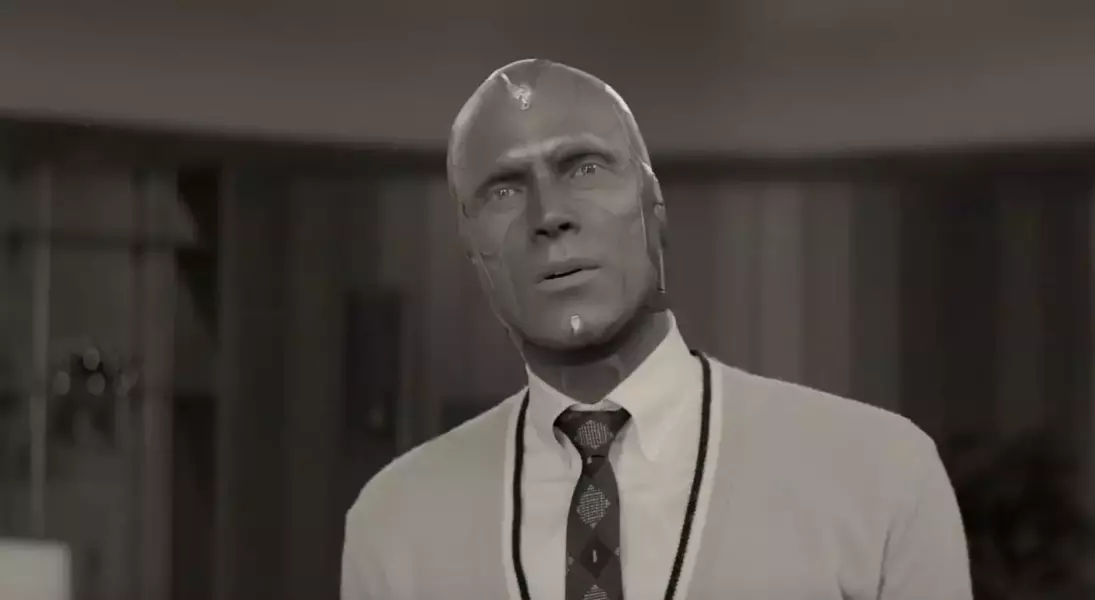
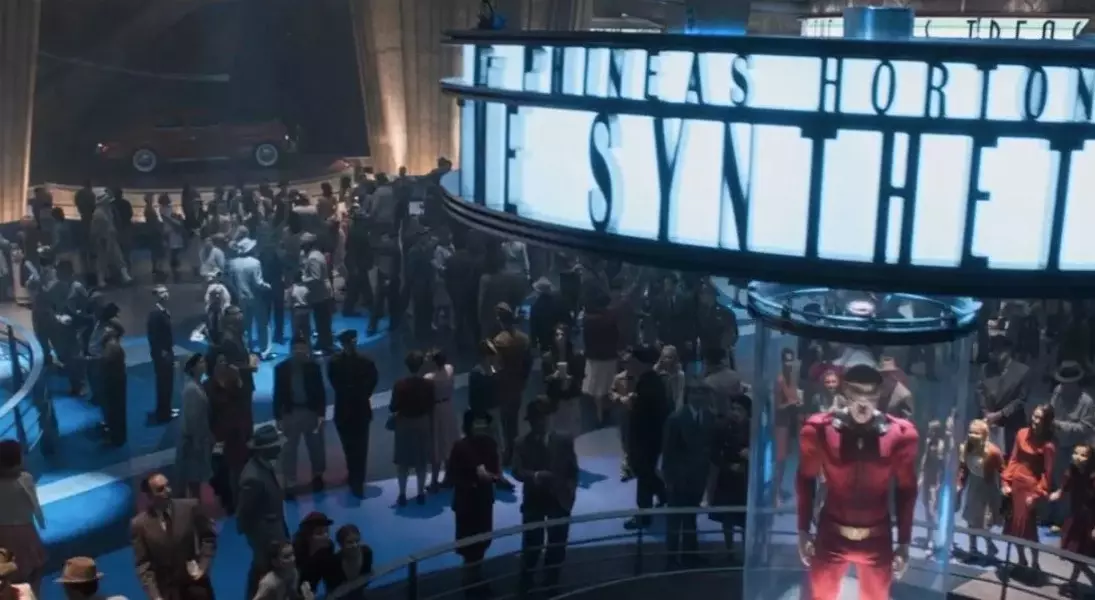
The current plotline in 'VisionQuest' revolves around a string of homicides committed by a figure known as the Butcher Bird. All victims were founders of AI Research and Development, a company later acquired by Stark. Vision, accompanied by the AI consciousnesses residing within him, deduces that the final target will be the sole surviving founder. This leads Vision and Tommy to an event where she is scheduled to speak. On stage, the co-founder reverently speaks of Dr. Phineas Horton, recognizing him as the "forefather of robotics." She elaborates on his groundbreaking creation, "JIM," described as the inaugural automaton AI or "synthetic man." Vision then clarifies to Tommy that JIM was indeed the first AI, a being both extraordinary and inherently flawed. He explains that JIM's initial design, which rendered him incapable of processing intricate emotions, caused his internal mechanisms to accelerate uncontrollably, ultimately leading to his fiery demise.
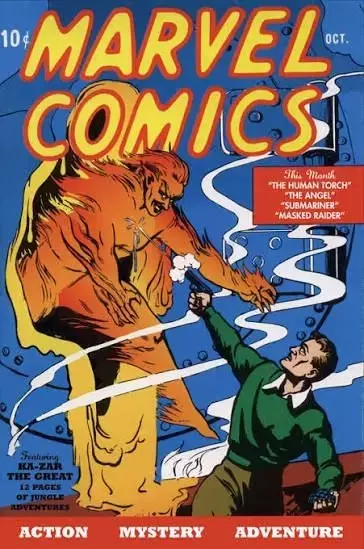
Before the establishment of Marvel Comics as we know it today, the company operated under the name Timely Comics, founded in 1939 by publisher Martin Goodman. Its inaugural publication, 'Marvel Comics #1,' introduced audiences to Namor the Submariner and unveiled the origin story of a hero known as the Human Torch. This particular Human Torch is distinct from the more widely recognized member of the Fantastic Four, predating him by several decades. The original Human Torch was conceived by Dr. Phineas Horton, who, on the opening page of 'Marvel Comics #1,' gathered members of the press to reveal his perfect human replica, his "synthetic man." Horton candidly admitted to a significant design flaw: the being would ignite upon exposure to oxygen. Despite initial resistance, Horton eventually agreed to entomb his creation in a cement block until the flaw could be rectified. Unbeknownst to him, a small air leak in the tomb allowed oxygen to accumulate, reactivating the synthetic man, who then burst forth from his confinement in flames. Initially disoriented, the synthetic man gradually embraced his heroic destiny as The Human Torch, learning to control his powers and adopting the human alias Jim Hammond. This character, alongside Submariner and Captain America, became a cornerstone of Timely's superhero lineup in the 1940s, even making a cameo appearance in 'Captain America: The First Avenger.'
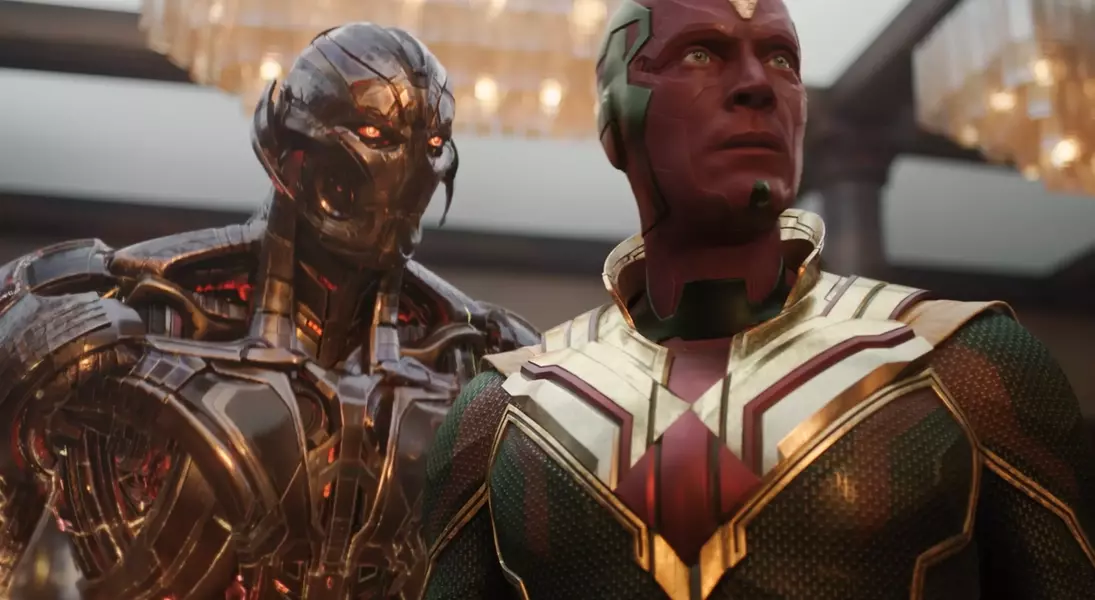
As the 1950s dawned, the Human Torch, like many of his contemporaries, receded from public consciousness, ceasing comic book appearances for over a decade. Horton, too, faded into obscurity, yet neither's story was truly concluded. The modern era of Marvel Comics began in 1961 with the debut of the Fantastic Four. It was later revealed that Johnny Storm, the second Human Torch, adopted his name in homage to the original hero. In 1966, Horton confronted Johnny for appropriating his creation's moniker. At this point, the original Human Torch lay buried in the Nevada desert, having seemingly burned himself out in 1954. This changed when the Fantastic Four villain, the Thinker, resurrected the original Human Torch, albeit with partial memory loss, pitting him against Johnny Storm. The original Torch lost the ensuing battle and was subsequently buried in the debris of the laboratory. Horton, plagued by his failures, descended into alcoholism. Decades later, it was disclosed that Horton had collaborated with the Kang variant, Victor Timely, during the Human Torch's creation. In 1968, Ultron recovered the Human Torch's body and coerced Dr. Horton into helping him repair the Torch and construct his ultimate form. This mirrors Ultron's actions in 'Avengers: Age of Ultron,' where the comic-book Ultron ultimately creates Vision from the original Human Torch's body. Ultron then murdered Horton for his insubordination. This historical link makes the reference to Horton and the original Human Torch particularly fitting within 'VisionQuest,' given its focus on Vision and the history of synthetic life in the Marvel Cinematic Universe.
The cinematic universe's decision to refer to the character simply as "JIM" instead of "The Human Torch" is a pragmatic one, avoiding potential confusion with other characters bearing similar names. However, the casting of Paul Bettany as JIM, combined with the original Human Torch's human identity of Jim Hammond, strongly implies a profound connection to Vision. This narrative choice by the MCU demonstrates a conscious effort to acknowledge and honor a character whose historical significance to Marvel's expansive lore often goes unrecognized by a broader audience.
