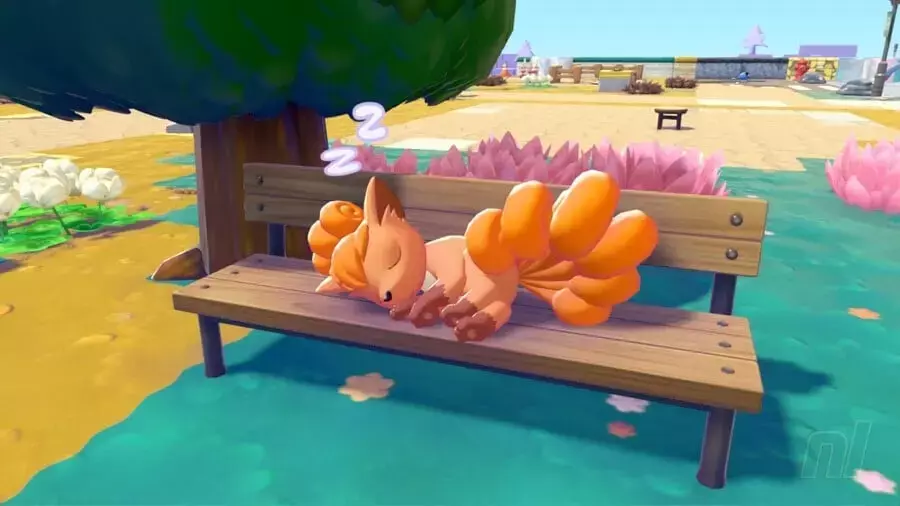
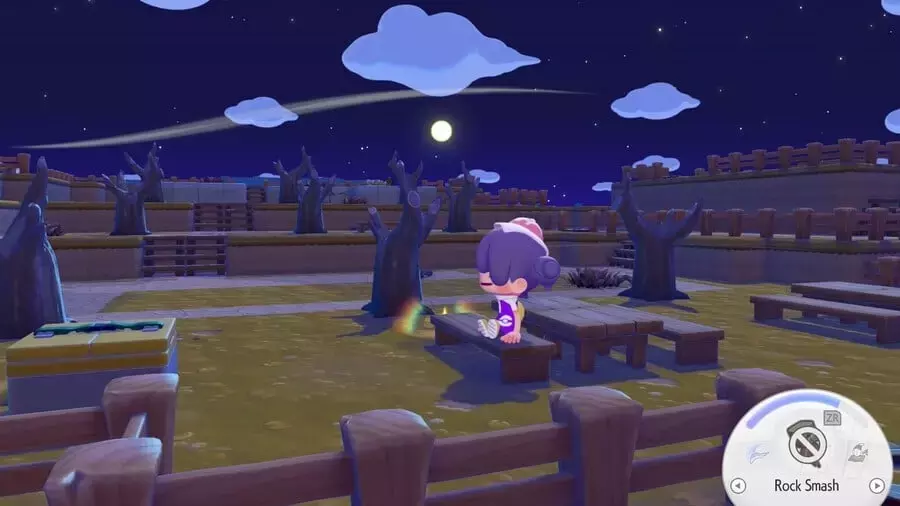
Pokémon Pokopia delivers a uniquely profound nostalgic journey, reinterpreting the beloved Kanto region in a post-cataclysmic state. Unlike typical fan service, this game doesn't merely echo past glories; it forces players to confront a world irrevocably altered, yet still brimming with echoes of its former self. By transforming familiar landscapes into uncanny valleys and tasking players, as Pokémon, with their restoration, Pokopia crafts a narrative that is both comforting and challenging. It evokes a potent emotional connection, making players reflect on their own memories and the transient nature of things they hold dear, ultimately celebrating the act of rebuilding and honoring a cherished past.
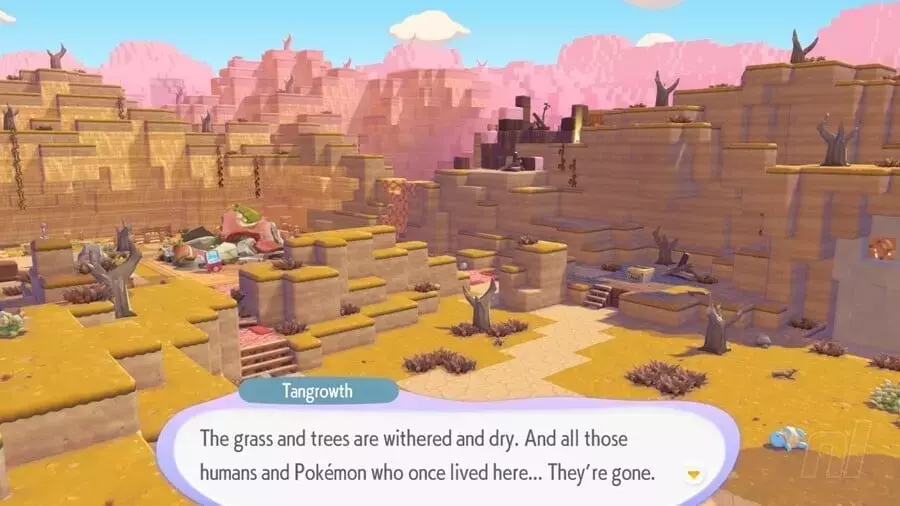
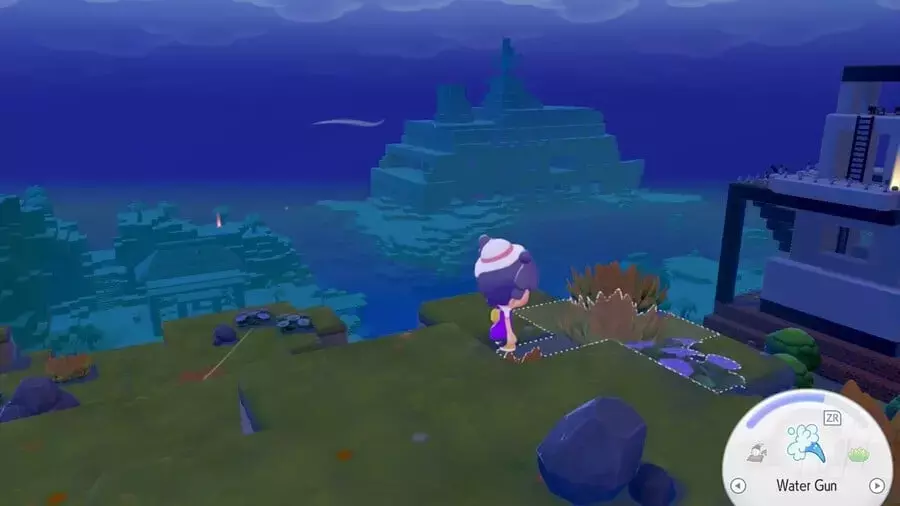
Stepping into Pokémon Pokopia, players are immediately greeted by a Kanto that is both recognizable and hauntingly unfamiliar. The once vibrant landscapes are now desolate, scarred by an unexplained cataclysm that forced humanity to flee to space. Iconic locations like Fuschia City appear in ruins, with red brick roads, dilapidated Pokémon Centers, and blocked pathways hinting at a lost era. This isn't the pristine Kanto remembered from Red & Blue or its many re-releases; it's a world left behind, waiting to be rediscovered and healed. The developers have intentionally created an 'uncanny valley' effect, where landmarks like the S.S. Anne and Mount Moon are structurally intact but environmentally ravaged. This approach transforms simple references into deeply emotional experiences, urging players to actively engage with their memories and piece together the story of Kanto's past.
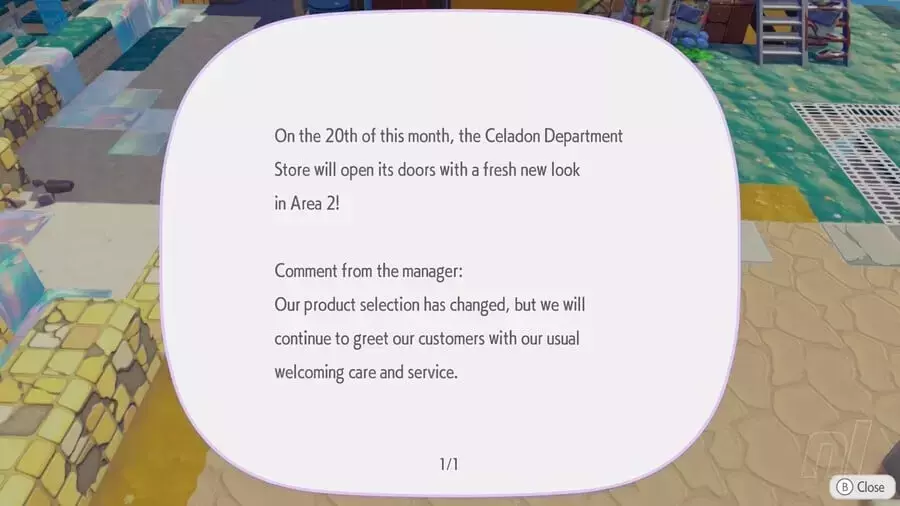
The game's narrative structure subtly encourages players to project their own nostalgic sentiments onto the fragmented world. As players navigate the wreckage, they encounter 'Human Records' — newspaper clippings, interviews, and letters — that paint a vivid picture of Kanto before the disaster. These snippets don't just provide lore; they immerse players in a world that was once alive with human activity, from recycling slogan contests to Pokémon Fan Club recruitment. This archival storytelling fosters a longing for the past, making the act of rebuilding not just a gameplay mechanic, but a heartfelt mission to restore what was lost. The Pokémon themselves contribute to this emotional depth; they yearn for their human companions, reminiscing about shared experiences and working to recreate a world where humans might one day return.
The game's ending beautifully encapsulates its core theme: the impossibility of a perfect recreation, yet the power of love and imagination to forge a new future. After diligently restoring Pokémon Centers and improving environments, players contribute items to a towering structure that is revealed to be a rocket. This rocket, carrying tokens of the rebuilt Kanto, is launched into space as a message to the surviving humans, symbolizing hope and resilience. The author describes a profoundly personal experience watching the credits, reflecting on how Pokémon has paralleled their own life's transitions and losses. This illustrates Pokopia's masterful ability to intertwine collective nostalgia for a fictional world with individual, deeply personal memories. It teaches that while the past cannot be perfectly replicated, the essence of what was loved can be reshaped and passed on, allowing future generations to build upon those foundations with their own evolving nostalgia.
