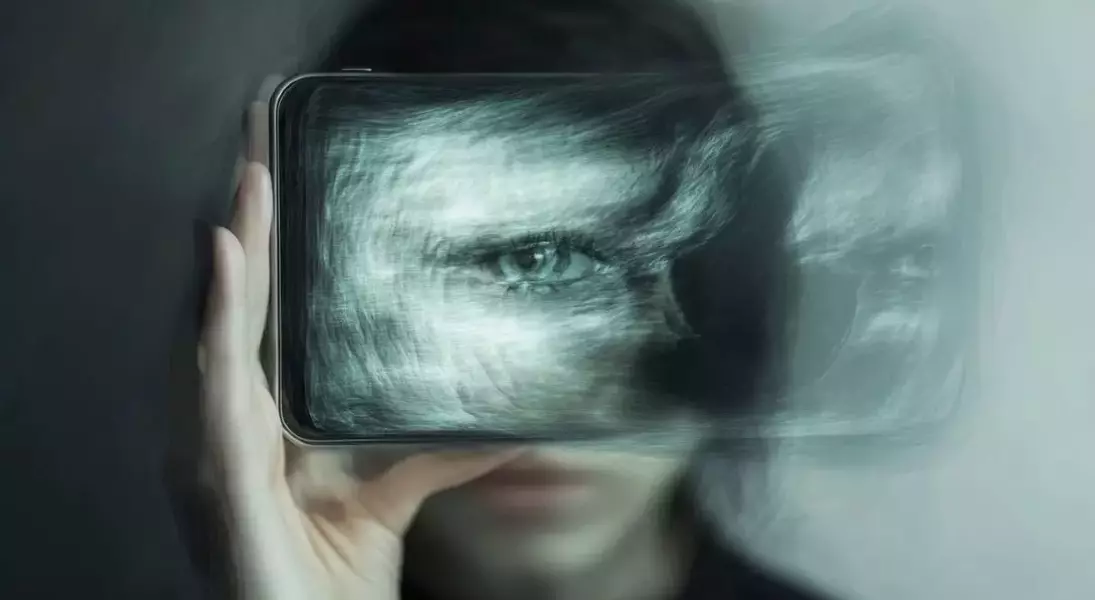
The rise of social media has transformed how individuals interact and perceive themselves, leading to a concerning connection between excessive online engagement and certain psychiatric disorders. Researchers have discovered that platforms fostering virtual interactions can intensify distorted self-perceptions, contributing to conditions such as narcissism and body dysmorphic disorder. These platforms offer users an environment where they can craft and sustain idealized versions of themselves, often devoid of real-world validation.
Virtual environments enable users to escape from traditional social scrutiny, which can exacerbate existing mental health issues. While social media itself is not inherently detrimental, its immersive nature combined with physical isolation can significantly amplify unhealthy psychological states. The study underscores that these platforms allow for the perpetuation of unrealistic self-images, which can lead to more pronounced delusional thinking. Moreover, the lack of face-to-face interaction means that individuals are less likely to encounter reality checks that could otherwise challenge their distorted perceptions.
Despite the challenges posed by social media, emerging technologies hold promise in mitigating some of these harmful effects. Innovations like eye-contact interfaces, 3D interactions, and avatars may help create more grounded online experiences. By bridging the gap between virtual and real-world interactions, these tools could provide healthier frameworks for self-presentation. Ultimately, this research calls for a balanced approach to social media use, emphasizing the importance of fostering positive mental health practices in both digital and physical spaces. It also highlights the need for ongoing studies to better understand the specific mechanisms through which social media influences mental well-being.
