The Spanish region of Castile and León is experiencing a remarkable culinary awakening, with a new generation of chefs returning to their roots and transforming the region into a vibrant gastronomic destination. Historically a favorite for Madrileños seeking traditional fare, this expansive heartland, known for its iconic products like jamón de Guijuelo and cochinillo, is now gaining international recognition. Young culinary talents are establishing innovative eateries in picturesque towns, elevating humble local ingredients and Ribera del Duero wines into sophisticated expressions of Castilian pride. This burgeoning movement is drawing attention to previously overlooked areas, positioning Castile and León as a global reference point for authentic and contemporary Spanish cuisine.
For years, Castile and León, despite its rich agricultural heritage and traditional dishes such as morcilla de Burgos and judiones de La Granja, remained somewhat under the radar for global food enthusiasts. Chef Anaí Meléndez of Valladolid’s acclaimed restaurant Caín notes that the region's identity was often "diluted in the national imagination," with much of inland Spain perceived as a homogeneous entity centered around Madrid. This perception left the peripheral regions struggling to carve out their own distinct narrative.
However, this narrative is rapidly evolving. A wave of talented chefs, including Meléndez, are leaving established culinary centers like Madrid and Barcelona to return to their hometowns. Their mission is to reclaim and reinterpret Castile and León's culinary heritage. These chefs are opening destination-worthy restaurants in idyllic settings, turning age-old stews, roasted meats, and fine local wines into contemporary culinary masterpieces that celebrate the region's unique identity. Pablo González of La Trébede, a country restaurant that quickly garnered Michelin attention, emphasizes that a "new cuisine is being born here," one that respects its predecessors while pushing creative boundaries.
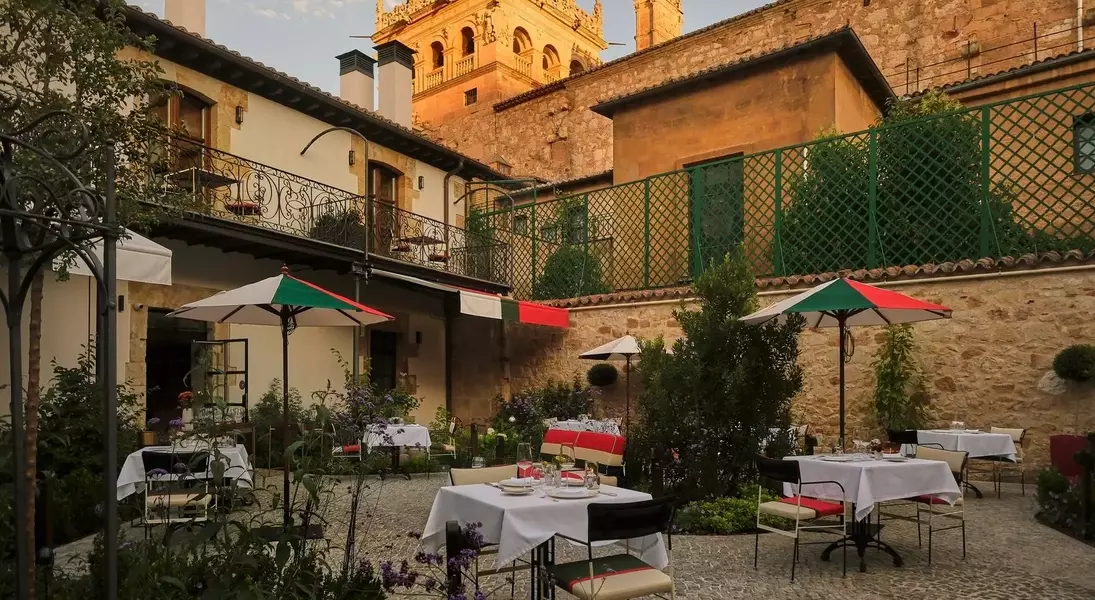
This culinary renaissance is closely tied to the emergence of design-forward independent hotels. In Salamanca, Chef José Manuel Pascua has transformed a 19th-century palace into the Eunice Gastronomic Hotel, the city's first chef-owned boutique accommodation. Guests can indulge in multi-course tasting breakfasts and exquisite dinners at the celebrated Pascua restaurant. Similarly, Ávila's La Casa del Presidente, once the summer residence of former Prime Minister Adolfo Suárez, has become a top gastro-hotel thanks to Caleña, a buzzy new restaurant led by young chefs Diego Sanz and Cristina Massuh. With the upcoming 2026 debut of Six Senses' first mainland Spain property in Ávila, the region is poised for an influx of culinary tourists.
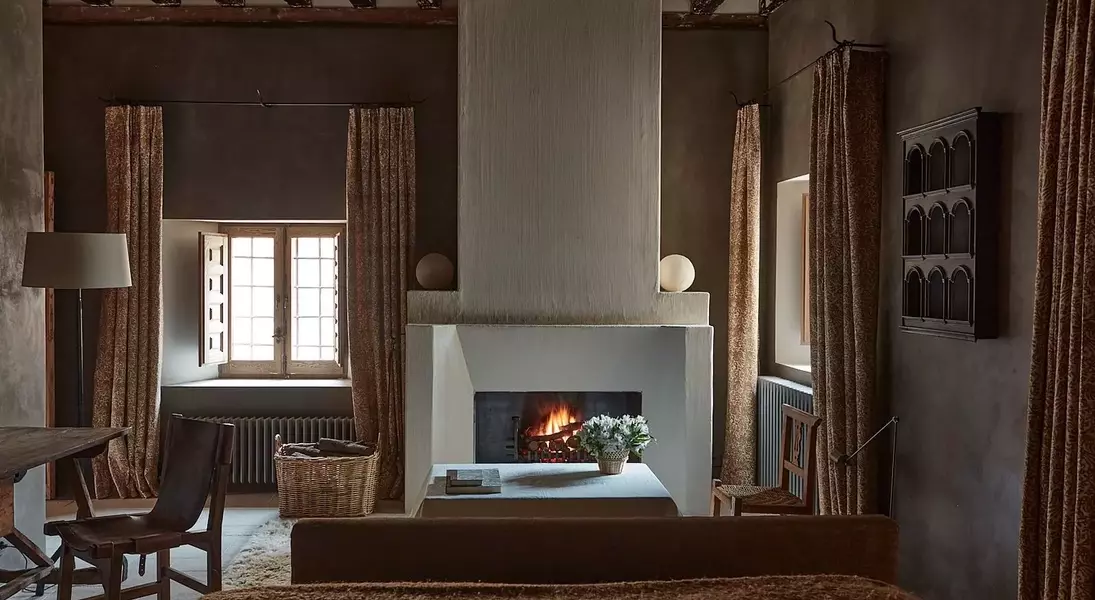
The Eunice Gastronomic Hotel in Salamanca, a creation of Chef José Manuel Pascua, showcases a blend of historical charm and modern design. The 13-room boutique hotel, situated in a 19th-century palace, pays homage to the hardworking women of his grandmother's generation. Its interiors feature Iberian artwork and traditional textiles, creating an intimate and refined atmosphere. The hotel's fine-dining restaurant, Pascua, offers purist, seasonally driven dishes, while its decadent breakfast, served in a light-filled dining room with a restored antique kitchen, has become a local sensation, featuring Salamanca pastries and homemade jams.
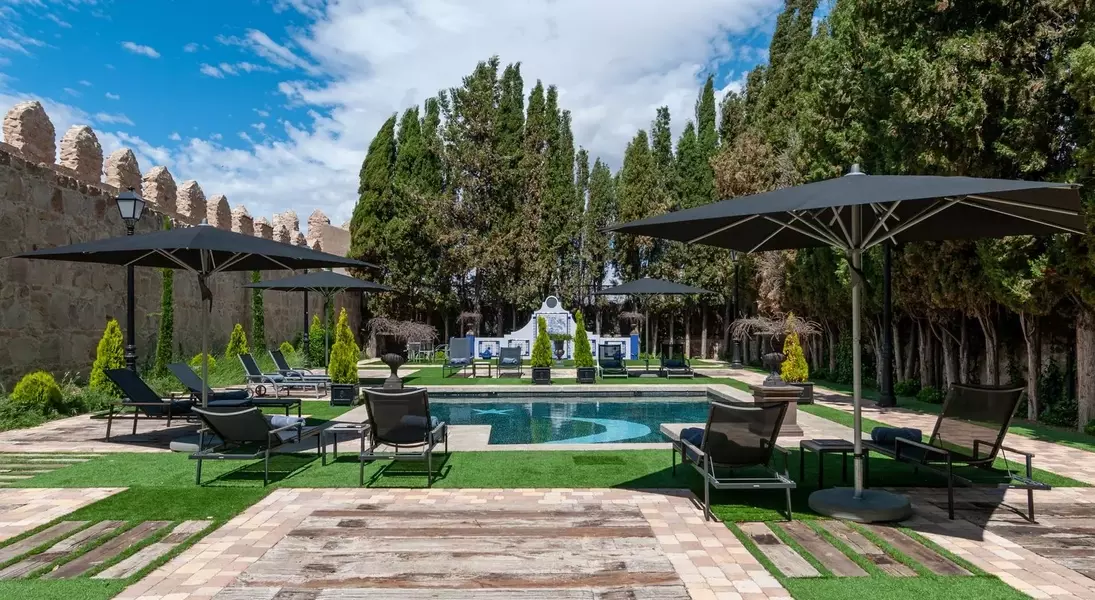
La Casa del Presidente in Ávila, the former residence of Adolfo Suárez, provides a regal retreat with its secret trapdoors, clubby seating areas, and manicured gardens. The rooms, some overlooking Ávila's UNESCO-protected medieval wall, are adorned with luxuries like Loewe quilts and claw-foot tubs. The hotel's crowning jewel is Caleña, a fine-dining restaurant that quickly earned a Repsol Sol. Chef Diego Sanz, who trained at Noma, and Cristina Massuh, serve innovative interpretations of regional dishes, such as Castilian-style carbonara, solidifying Caleña's reputation as a future Spanish culinary great.
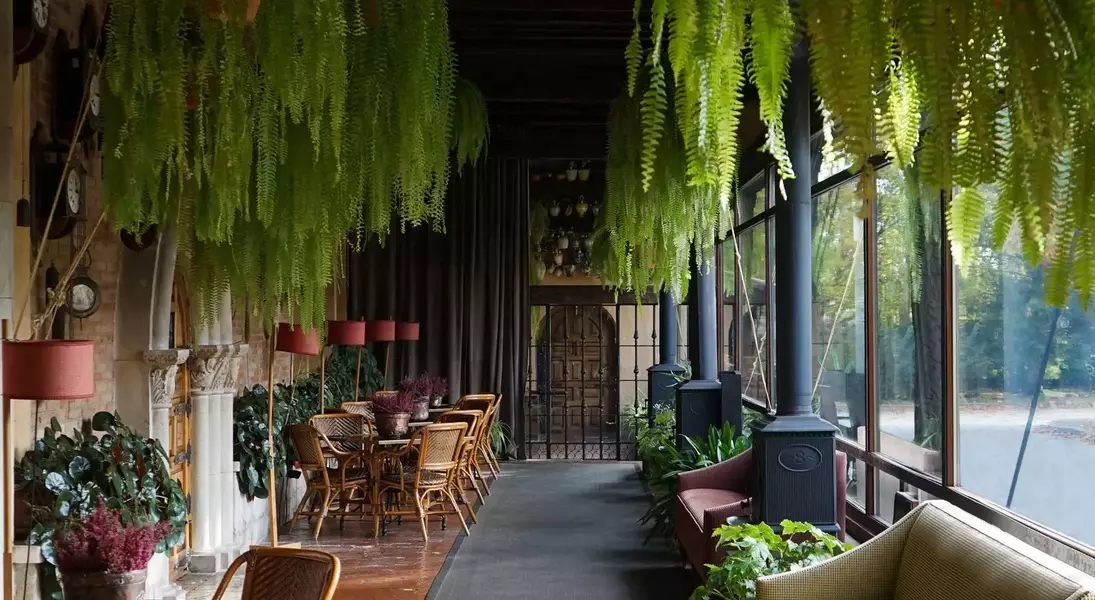
Landa, a fabled roadside restaurant and hotel on the A-1 highway, has been a culinary landmark for generations, attracting esteemed guests like Audrey Hepburn and King Juan Carlos. Founded in 1959 by Jesús Landa and Carmela Vicente, Landa is celebrated for elevating morcillas de Burgos from a mere side dish to a place of honor. The hotel's 35 guest rooms, set within a 14th-century tower, exude a regal ambiance with botanical wallpapers, four-poster beds, and clawfoot tubs. The dreamy, gothic-inspired swimming pool, with its colonnaded ceilings and ornate glass windows, offers a luxurious escape.
In Pedraza, Casa Taberna, a four-room gastro-hotel, is the passion project of chef Samantha Vallejo-Nágera, her mother Sabine Déroulède, and sister Mafalda Muñoz. Housed in a centuries-old tavern, the hotel blends original architectural elements with 17th-century mirrors, custom furniture, and Louis XIII armchairs. The tavern's atmospheric dining room, adorned with bullfighting posters and rustic furniture, serves comforting dishes like pork cheek cannelloni. Guests can enjoy Lenôtre pastries for breakfast before embarking on concierge-organized activities such as horseback riding.
The culinary landscape of Castile and León is also enriched by places like Barro, where 25-year-old Carlos Casillas became Spain's youngest Michelin-starred chef. Located in a 250-year-old flour mill on the Adaja River, Barro showcases contemporary Castilian cooking using ingredients from over sixty local producers. Ricardo Temiño, who trained with Paul Bocuse, brings a global perspective to his Michelin-starred restaurant in Burgos, drawing inspiration from the historic pilgrim routes. In Nava del Rey, Chef Anaí Meléndez's Caín offers a punk-meets-ecclesiastical dining experience, with charcoal-grilled meats and traditional dishes with a twist, complemented by an extensive wine list featuring local family-run wineries.
This renewed focus on local ingredients and culinary innovation ensures that Castile and León will soon take its rightful place among Spain's top gastronomic regions, offering a unique blend of tradition and modernity for discerning travelers.
