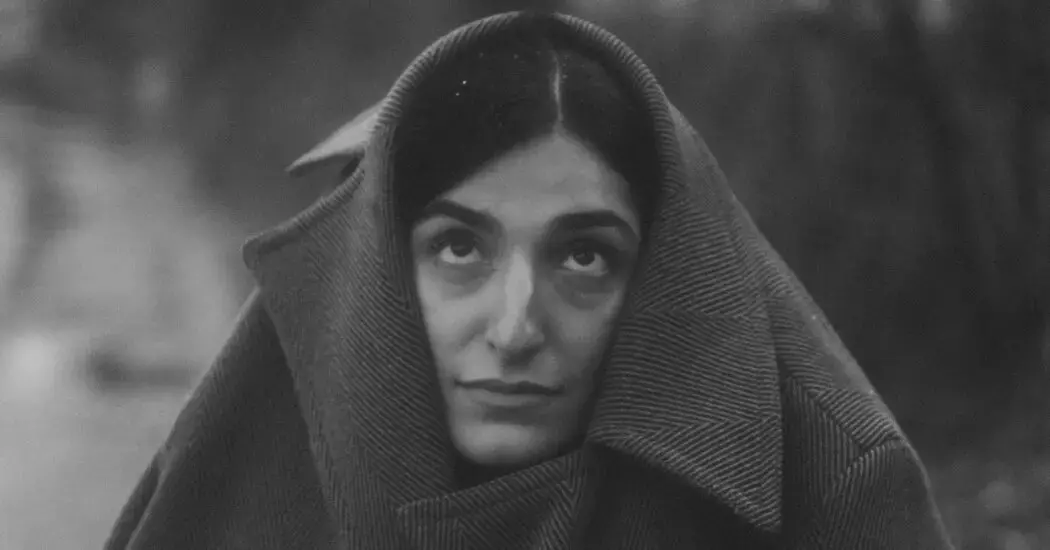
In a profound exploration of societal standards and personal identity, Afghan-German writer and artist Moshtari Hilal delves into the intricate relationship between beauty and self-worth in her latest book titled "Ugliness." This work combines elements of memoir, history, sociology, philosophy, and art to address an often overlooked topic. Through her unique perspective, Hilal shares her journey of growing up as an immigrant in Germany and grappling with what she perceived as physical imperfections. Her narrative challenges readers to reconsider their own perceptions of beauty and accept themselves for who they are.
A Journey Through Personal Transformation
In the heart of Europe, during the formative years of her youth, 31-year-old Moshtari Hilal found herself navigating the complexities of cultural integration while simultaneously battling internalized notions of beauty. Born to Afghan parents but raised in Germany, Hilal's early life was marked by a relentless struggle to conform to Northern European beauty ideals. She meticulously mapped out every aspect of her appearance that she deemed flawed, from her facial features to her body hair, creating a visual representation of her insecurities.
This introspective journey led her to develop elaborate strategies to alter her appearance, engaging in painful and often harmful practices like bleaching, shaving, waxing, and chemical treatments. One striking image in her book captures this battle: a detailed map drawn on her leg, marking different areas designated for various cosmetic interventions. These experiences shaped her understanding of beauty and ultimately fueled her desire to write about it.
Hilal's book not only serves as a personal reflection but also invites readers to question the societal constructs that dictate our perceptions of beauty. By blending personal anecdotes with broader historical and sociological contexts, she creates a powerful narrative that resonates deeply with anyone who has ever struggled with self-acceptance.
From a reader's perspective, Hilal's story is both poignant and enlightening. It reminds us that true beauty lies not in conforming to external standards but in embracing our authentic selves. Her work encourages a shift in mindset, urging individuals to redefine beauty on their own terms and celebrate the diversity that makes each person unique. Ultimately, "Ugliness" is a call to embrace one's imperfections and find strength in vulnerability.
