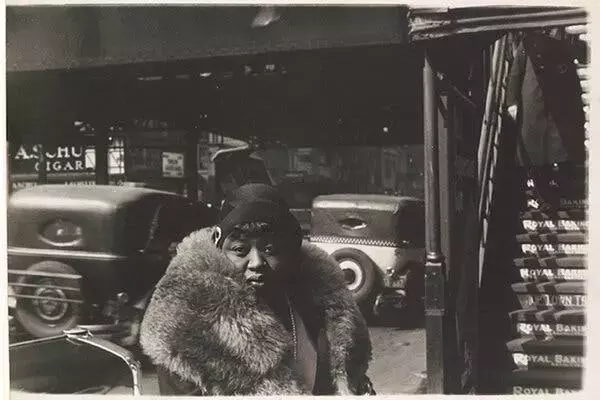
In a compelling exploration of artistic influences and personal growth, renowned photographer Dawoud Bey delves into the works that have shaped his approach to capturing both everyday moments and historical landscapes. Currently showcasing his latest series at Sean Kelly gallery in New York, Bey reflects on three pivotal pieces that have profoundly impacted his career and perspective. This reflection not only highlights his artistic journey but also underscores the broader context of African American art history. Through these selected works, Bey connects his practice to a lineage of artists who have influenced him, offering a deeper understanding of how he portrays both contemporary individuals and significant historical sites.
Bey begins by discussing the profound impact of Walker Evans’s "42nd Street" (1929). In the mid-1970s, as Bey was embarking on his own photographic endeavors, he spent considerable time immersing himself in the rich tapestry of photography exhibited in museums and galleries around New York. At this stage, he had not yet attended formal art school, relying instead on self-directed learning. It was during one of these visits to the Metropolitan Museum of Art that he encountered Evans’s photograph. The image, which captures a fleeting moment between two strangers—one Black, one white—struck Bey with its powerful portrayal of dignity and presence. For Bey, this photograph represented an urban environment where the subject's regality resonated deeply, aligning with his aspirations at the time.
Another work that has repeatedly drawn Bey back is Alice Neel’s "The Black Boys" (1967). Neel’s painting, known for its raw and intimate portrayal of her subjects, has left an indelible mark on Bey’s artistic sensibilities. The way Neel captures the essence of her subjects, particularly those from marginalized communities, has inspired Bey to delve deeper into the human experience. Her ability to convey vulnerability and strength simultaneously has become a guiding principle in Bey’s own work. By revisiting this piece, Bey finds renewed inspiration, reminding him of the importance of authenticity and empathy in his portraiture.
Beyond these individual pieces, Bey’s current exhibition in New York offers a comprehensive view of his evolving artistic vision. His series "Stony the Road" and the film "350,000" explore the Virginia landscape where many African captives first arrived in America, providing a poignant commentary on the nation’s complex history. These works, now on display for the first time in New York, serve as a bridge between past and present, inviting viewers to reflect on the enduring legacy of African American experiences. Bey’s concurrent exhibition of street portraits at the Denver Art Museum further showcases his versatility, highlighting his ability to capture both historical narratives and contemporary life.
Through his reflections on these influential works, Dawoud Bey invites us to consider the interconnectedness of art and history. His exploration of these pieces not only enriches our understanding of his own artistic journey but also sheds light on the broader cultural significance of African American art. By weaving together personal insights and historical context, Bey creates a narrative that transcends time, offering a powerful testament to the enduring impact of visual storytelling.
