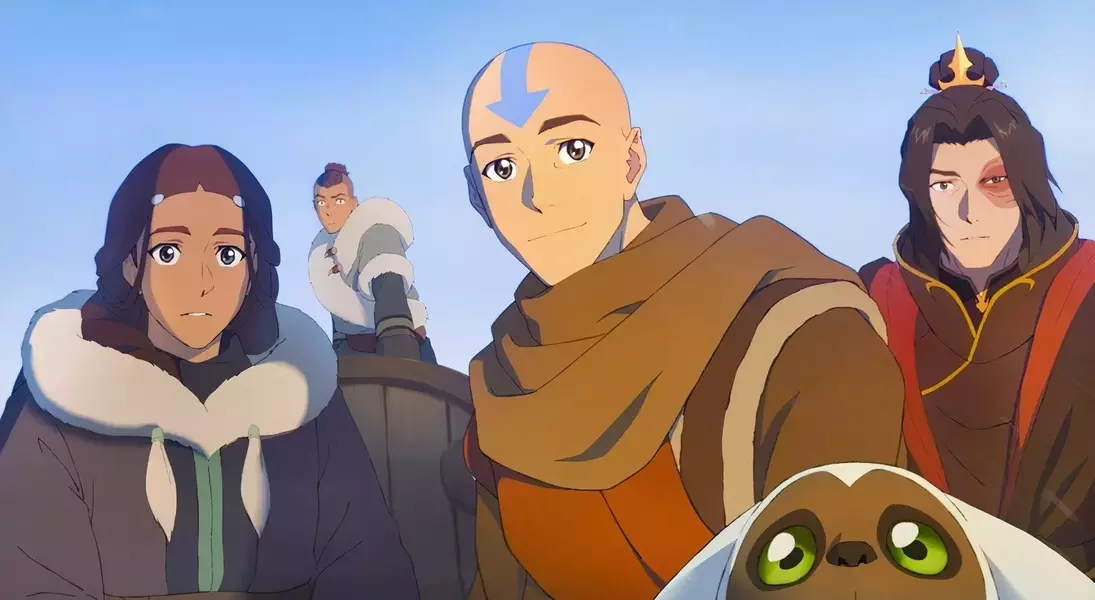
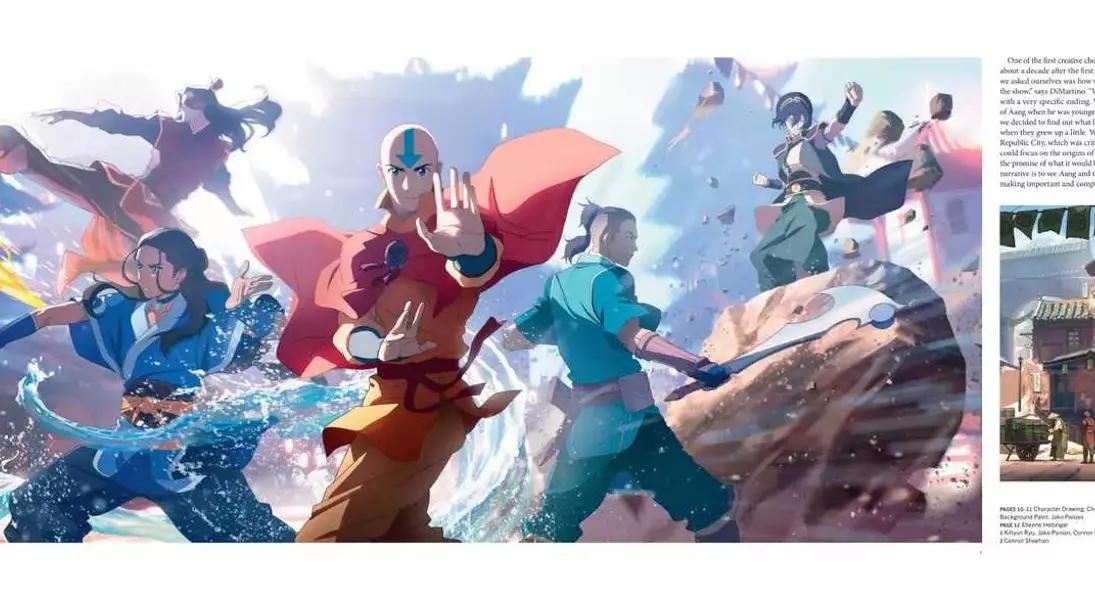
The year 2026 has been particularly rewarding for followers of the 'Avatar' narrative, distinct from the blue-skinned alien films. The animated sequel, 'Avatar: Seven Havens,' achieved remarkable success, securing a second season, while an 'Avatar' fighting game also delivered an engaging experience. However, a major triumph for fans this year was 'Avatar Aang: The Last Airbender.' This movie, set a dozen years post the original series, reunited the beloved characters for a fresh journey. Despite not receiving an initial theatrical debut, it was still a considerable victory for Team Avatar.
Abrams Books is now unveiling a new art collection that provides novel revelations about 'Avatar Aang: The Last Airbender.' This book features contributions from co-creators Michael Dante DiMartino and Bryan Konietzko, director Lauren Montgomery, and the extensive animation crew, offering an exclusive peek into the artistic endeavor of bringing this next chapter to fruition. Polygon received an early glimpse, showcasing captivating pages that illuminate the movie's development. The insights underscore the detailed creative process involved in expanding the 'Avatar' universe and the dedication to maintaining the spirit of the original series while introducing new elements.
The Artistic Evolution of Fire Lord Zuko
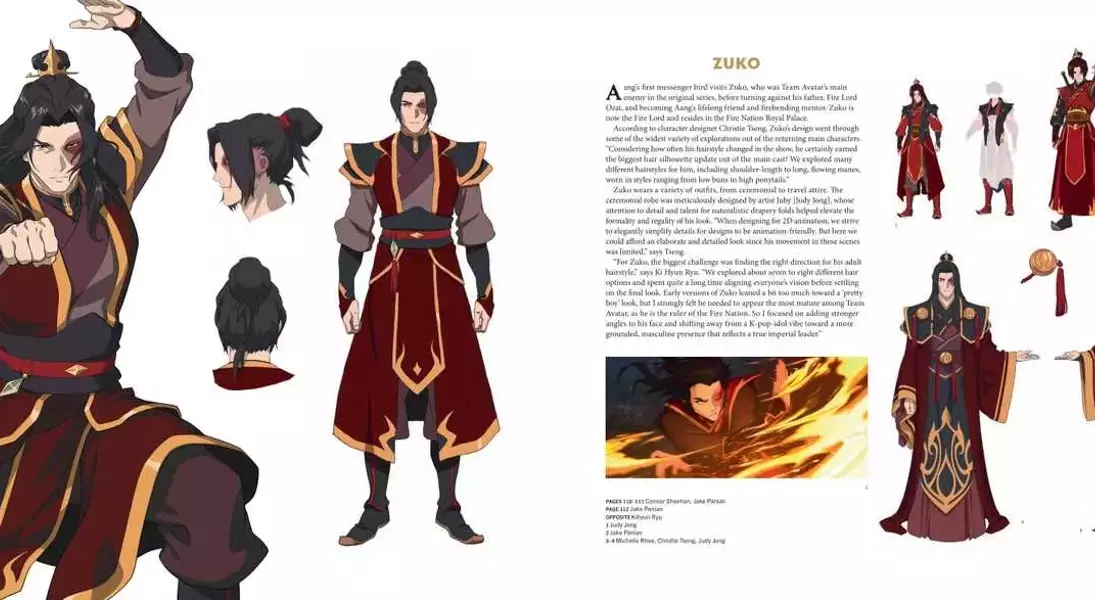
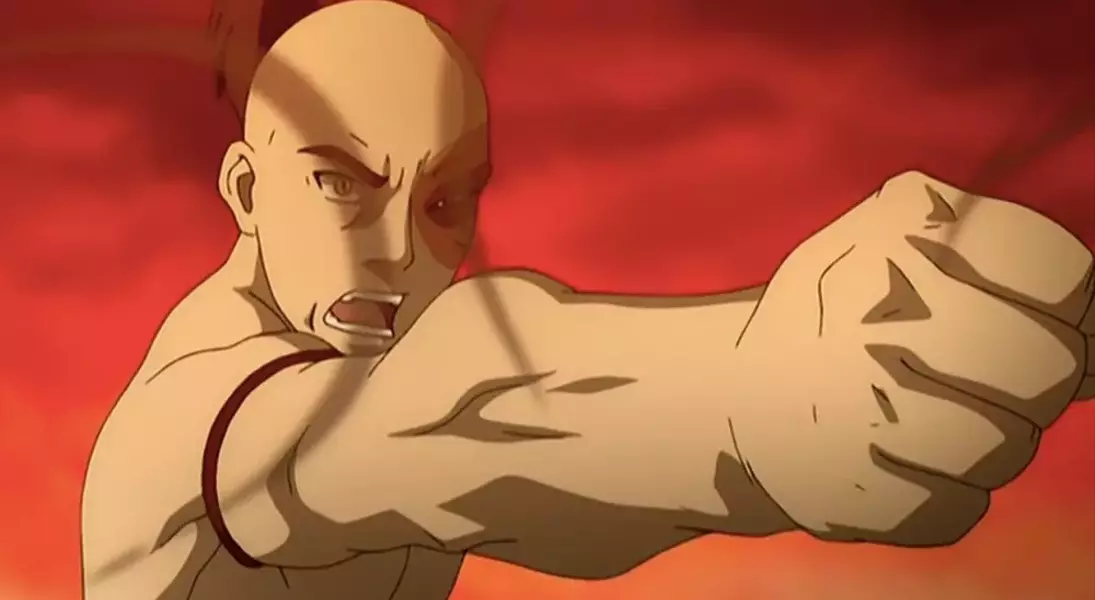
As the 'Avatar' universe continued to expand, the development team meticulously considered how the returning characters would appear, reflecting their growth and experiences. Fire Lord Zuko, a central figure in Aang's journey, underwent one of the most significant visual transformations. This artistic process aimed to portray his development from a complex antagonist to a mature and respected leader. The art book reveals the extensive conceptualization behind Zuko's appearance, moving beyond superficial changes to embody his deepened responsibilities and wisdom.
Character designer Christie Tseng aimed to illustrate the diverse maturation of the main cast as they entered adulthood. Zuko's hair, known for its symbolic changes throughout the original series, received considerable attention. Tseng experimented with various styles, including lengthy manes and different bun and ponytail configurations, to represent his evolved status. Animator Ki Hyun Ryu further emphasized the intention to depict Zuko as the most mature member of Team Avatar, steering his design away from a 'pretty boy' image towards a more commanding, masculine presence fitting a true imperial leader. This detailed approach ensured that Zuko's visual representation aligned perfectly with his narrative arc, highlighting his journey and authority.
Reflecting Character Maturity Through Design
The transformation of Zuko's character design in 'Avatar Aang: The Last Airbender' goes beyond mere aesthetics; it is a deliberate artistic choice to convey his profound personal growth and elevated status as Fire Lord. His evolving hairstyles in the original series were always indicative of his internal struggles and changing allegiances. In the movie, this tradition continues, with his refined appearance symbolizing his established leadership and maturity. This careful consideration of visual details allows the audience to instantly recognize the character's journey and current standing within the narrative.
The creative team's decision to eschew a 'K-pop idol' aesthetic for Zuko in favor of a more grounded, masculine portrayal was critical in cementing his image as a serious imperial leader. This approach underlines the film's commitment to delivering a meaningful and serious narrative, where even the smallest character details contribute to the overarching themes of maturity and responsibility. The art book's revelations emphasize how the design choices were not arbitrary but were deeply integrated with the storytelling, ensuring that Zuko's visual evolution mirrored his narrative arc and the gravitas of his role as the Fire Lord.
