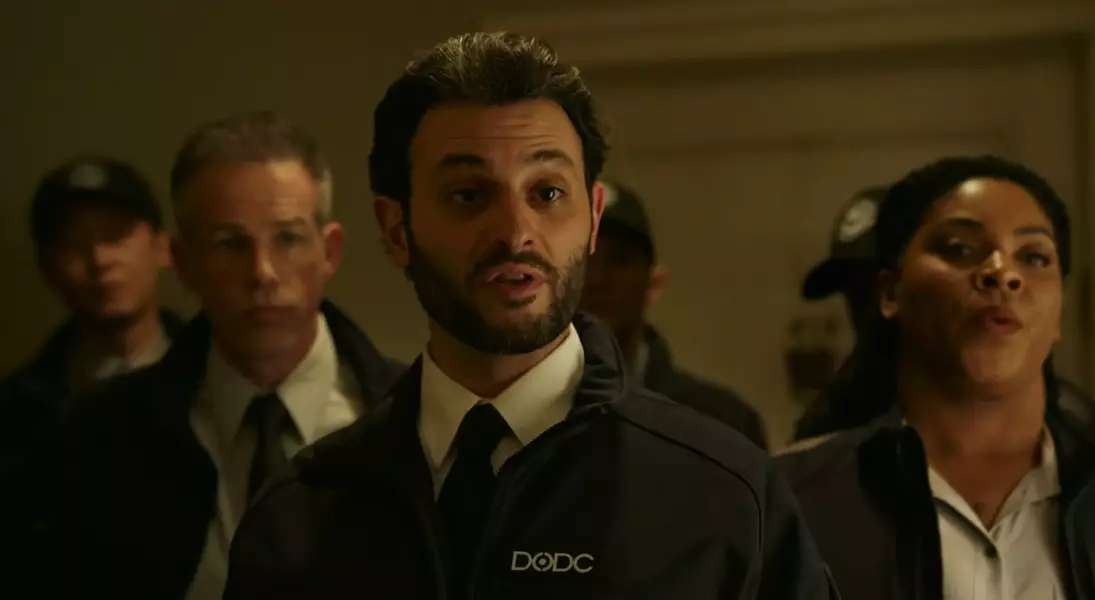
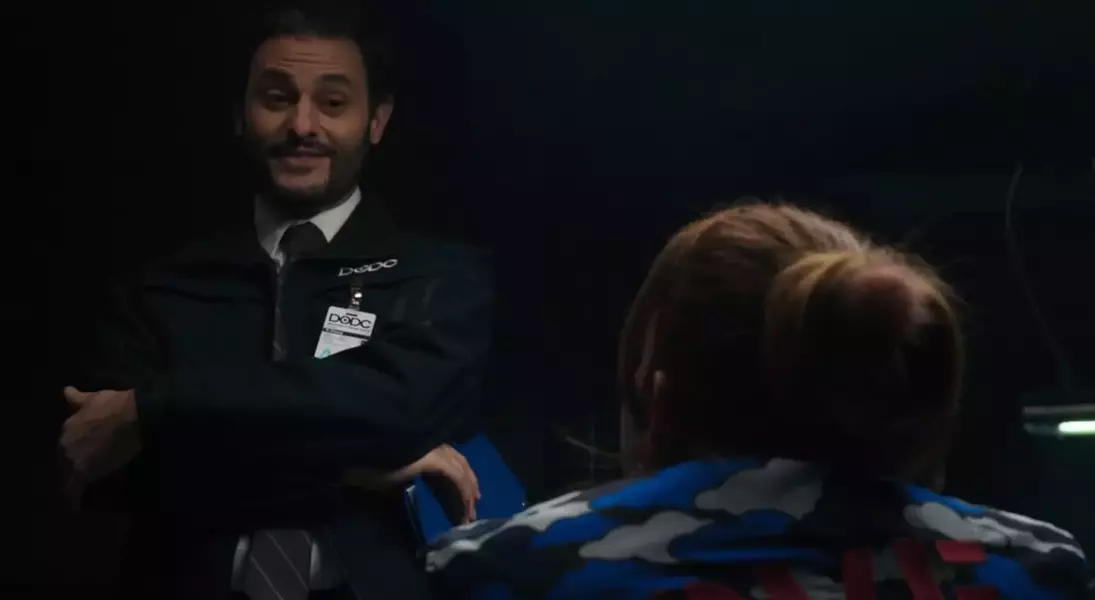
"Wonder Man" offers a fresh perspective within the Marvel Cinematic Universe, shifting away from grand supervillain confrontations to deliver a more grounded narrative. This series centers on the struggles of actors in a Hollywood where superheroes are a reality, providing a unique backdrop for character development. Arian Moayed's portrayal of Agent P. Cleary emerges as a pivotal element, showcasing the complexities of a character often mislabeled as a straightforward antagonist. The show delves into the intricate bureaucracy of the Department of Damage Control, revealing the pressures and moral ambiguities faced by its agents. This exploration adds significant depth to Cleary, presenting him not just as an enforcer but as an individual navigating a system fraught with challenges, striving to uncover truths amidst the chaos of a super-powered world.
Moayed's insights into Cleary's motivations reveal a character driven by a desire to make sense of extraordinary circumstances, often finding himself in ethically gray areas. His journey from a seemingly rigid agent to a more multifaceted figure who challenges his own department’s excesses in "Ms. Marvel" underscores a developing moral compass. "Wonder Man" further complicates his portrayal by having him orchestrate the investigation of Simon Williams, pushing the boundaries of what viewers might expect from a 'villain.' This nuanced depiction highlights the show's intent to explore the human element within a fantastical setting, demonstrating how ordinary people and bureaucratic systems adapt to and sometimes clash with the presence of extraordinary individuals. The series promises a deeper understanding of the individuals behind the institutional facades, challenging preconceived notions of good and evil within the MCU.
The Evolving Persona of Agent P. Cleary
Agent P. Cleary, as depicted in "Wonder Man," transcends the conventional villain archetype, presenting a character driven by intricate motivations within the Department of Damage Control. Arian Moayed, who brings Cleary to life, articulates how the series endeavors to humanize him, revealing his struggles to make ends meet and his pursuit of truth, even when it leads him to manipulative actions. This portrayal moves beyond his initial appearances in "Spider-Man: No Way Home" and "Ms. Marvel," where he was seen primarily as an agent enforcing regulations against super-powered individuals. In "Wonder Man," the narrative expands on Cleary's internal conflicts and his role in a bureaucracy under pressure, illustrating his efforts to navigate a system that often paints him as the antagonist, despite his underlying intentions to maintain order.
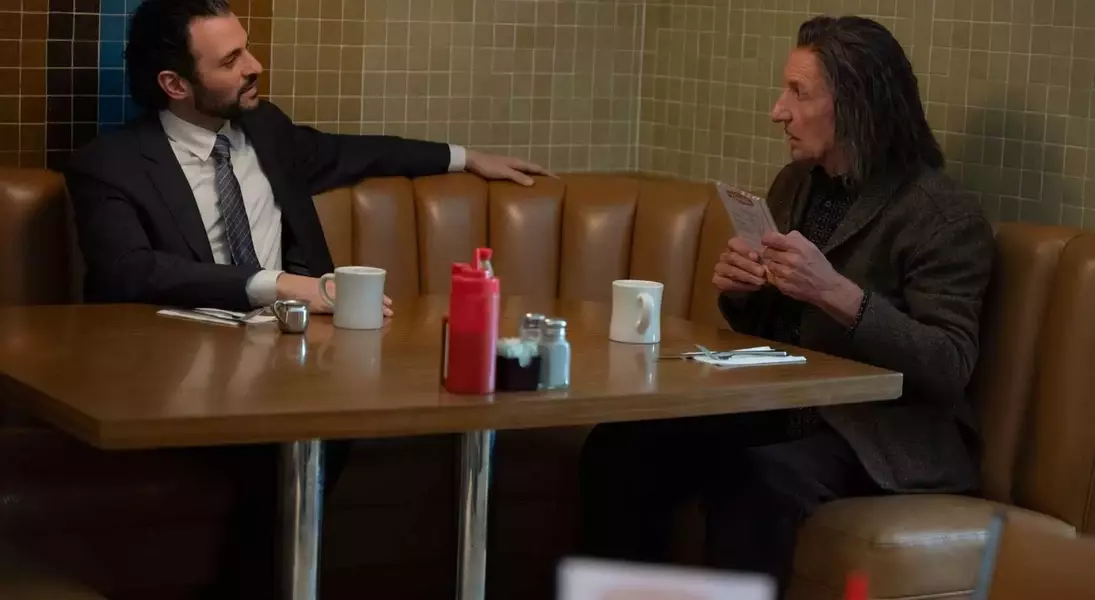
Cleary's journey in "Wonder Man" showcases a significant evolution, transforming him from a seemingly one-dimensional antagonist into a character with considerable depth. His past actions, such as showing restraint within the DODC during the "Ms. Marvel" investigation, foreshadow his nuanced approach to justice. The current series elevates his involvement, tasking him with supervising Trevor Slattery to investigate Simon Williams. This deeper engagement allows the audience to witness the inner workings of the DODC, including its bureaucratic pressures and resource constraints, which influence Cleary's decisions. Moayed's commentary emphasizes that Cleary's actions, while sometimes manipulative, are rooted in a desire for truth and order, challenging the audience to reconsider their initial perceptions of his character. This expanded role positions Cleary as a critical figure who, despite being seen as a potential adversary, often turns out to be correct in his assessments, adding layers of complexity to his character.
Navigating the Bureaucracy of Superheroes
"Wonder Man" offers a unique lens through which to view the bureaucratic challenges inherent in a world populated by superheroes. The series meticulously details the internal mechanisms and pressures faced by the Department of Damage Control (DODC), an organization tasked with regulating super-powered individuals. This portrayal goes beyond superficial enforcement, diving into the operational dilemmas such as budget cuts, layoff threats, and the need to justify expensive facilities like a half-empty supermax prison. Andrew Guest and Destin Daniel Cretton, the creators of "Wonder Man," are lauded for their ability to imbue these bureaucratic aspects with realism and depth, revealing how institutional demands can shape the actions and perceptions of characters like Agent Cleary.
The creators' commitment to showcasing the everyday complexities of a superhero-filled world is evident in their detailed exploration of the DODC. This approach grounds the fantastical elements of the MCU in a relatable, bureaucratic reality, allowing for a richer understanding of the system Agent Cleary operates within. The narrative highlights the constant struggle between upholding protocol and navigating ethical ambiguities, particularly when dealing with emerging super-powered threats like Simon Williams. This focus on institutional challenges and the human responses to them enriches the series, providing a compelling backdrop for Cleary's character development. It emphasizes that in a world of extraordinary powers, the ordinary, often mundane, aspects of governance and bureaucracy play a crucial role in maintaining societal balance, offering a thought-provoking counterpoint to the typical superhero narrative.
