


For numerous Americans, the prospect of a tranquil retirement seems increasingly distant. Yet, a captivating alternative is emerging in the less-trodden paths of Southeast Asia. This region presents an irresistible combination of balmy weather, profound cultural immersion, and a dramatically reduced cost of living, enabling retirement funds to sustain a much longer and more fulfilling lifestyle. Among these, four notable locations—Penang in Malaysia, Hoi An in Vietnam, Dumaguete in the Philippines, and Chiang Rai in Thailand—offer a compelling blend of economic viability, burgeoning expatriate communities, and progressively better healthcare services. These concealed treasures promise retirees a superior quality of life, free from the financial pressures often encountered in their home countries.
Southeast Asia: A Haven for Budget-Conscious Retirees
Southeast Asia is rapidly gaining recognition as an ideal retirement destination, especially for those seeking to maximize their savings without compromising on comfort or adventure. The region’s allure stems from its inviting climate, diverse cultures, and warm social environments, which have long attracted tourists and are now drawing a growing number of retirees. Notably, Asian countries frequently top global rankings for affordability, making them prime choices for extended stays. Beyond major urban centers, several “under-the-radar” locations offer even greater advantages, including lower costs, a quieter pace of life, and tighter-knit communities.
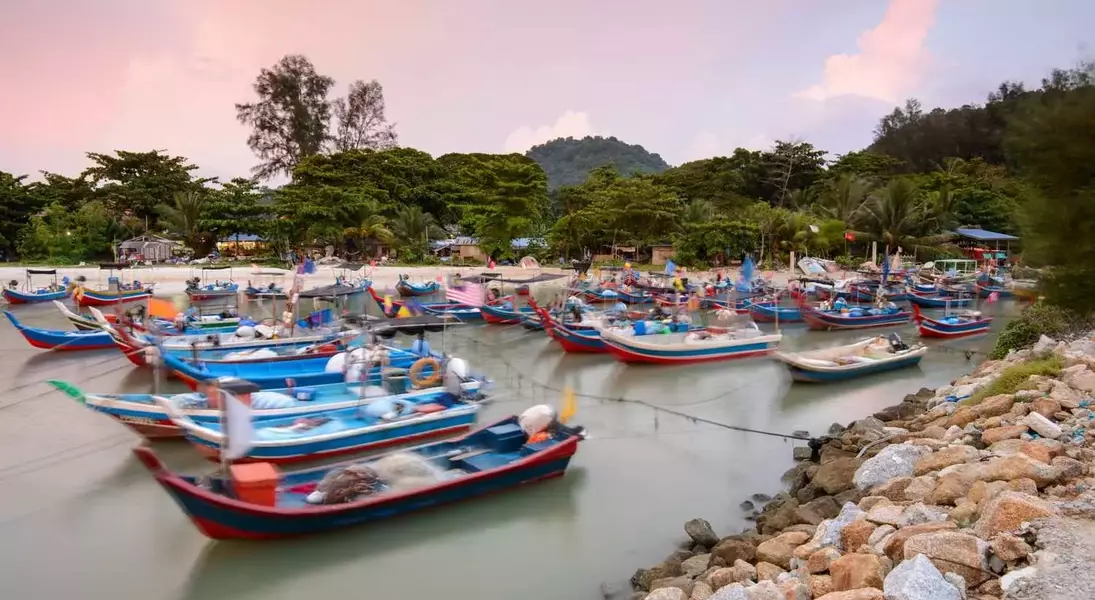
Penang, Malaysia: A Cultural Melting Pot
Penang, a prosperous Malaysian state with a population of approximately 1.75 million, boasts one of the nation’s highest per capita incomes. English is widely spoken, facilitating easy access to its bustling markets, pristine beaches, and vibrant cultural events. A modern three-bedroom apartment with luxury amenities typically rents for about $800 per month, while a meal at a local eatery costs under $5. A couple can expect to spend around $200 monthly on groceries. Healthcare is accessible and affordable, with both public and private options available, often allowing expatriates to pay out-of-pocket or secure inexpensive insurance.
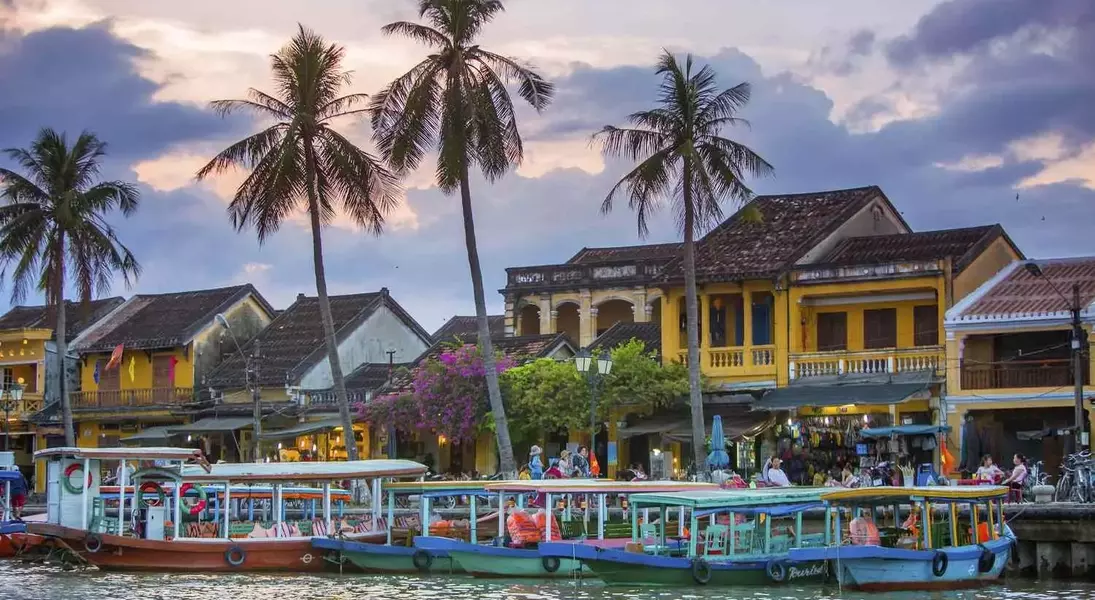
Hoi An, Vietnam: Ancient Charm Meets Modern Living
Hoi An, an ancient port city in Vietnam, has cultivated a thriving expatriate community despite its intimate size. The city is celebrated for its stunning beaches and historic architecture, complemented by upscale spas and an array of restaurants catering to international tastes. A small house rental here can cost roughly $500 per month, with individual meals typically priced under $5. Vietnam’s hospital system has seen significant improvements, though many expats still travel to medical hubs like Bangkok for more specialized care.
Dumaguete, the Philippines: The “City of Gentle People”
Affectionately known as the “City of Gentle People,” Dumaguete is a coastal town on Negros Island that has become a premier retirement spot in the Philippines. Recognized by the Philippine government as a key retirement hub, the city has invested in enhancing its healthcare infrastructure. With several universities, Dumaguete offers a lively atmosphere filled with affordable dining, coffee shops, and cultural activities. English is commonly spoken, simplifying the transition for American retirees. A budget of $400 to $500 monthly is sufficient for a comfortable modern home, and a high-quality Western meal for two, including drinks, can be enjoyed for about $10.
Chiang Rai, Thailand: Tranquil Mountain Escape
In northern Thailand, Chiang Rai offers a serene alternative to the more bustling Chiang Mai. Known for its cooler climate, it provides easy access to waterfalls, hiking trails, and hot springs just a short drive from the city center. With a population under 100,000, Chiang Rai offers a close-knit community feel, cleaner air, lighter traffic, and a more relaxed pace of life. Cultural gems abound, including the awe-inspiring White Temple (Wat Rong Khun), a contemporary Buddhist art installation merging traditional Thai architecture with surreal, pop-culture-inspired murals. Retirees can expect to live comfortably on approximately $600 per month.
The decision to retire abroad presents a fascinating blend of opportunities and challenges. While the allure of tranquil surroundings, rich cultural experiences, and significantly reduced living expenses in places like Penang, Hoi An, Dumaguete, and Chiang Rai is undeniable, prospective retirees must engage in meticulous planning. Understanding the complexities of visa requirements and long-stay regulations is paramount, as is a thorough assessment of healthcare access, quality, and insurance coverage. Moreover, venturing into less tourist-heavy regions might mean fewer English speakers, which could necessitate an adjustment period. And, of course, a change in geography often brings with it a change in climate, including the potential for intense rainy seasons or even typhoons in certain areas. Ultimately, for those willing to navigate these considerations, the rewards of an affordable, enriching, and adventurous retirement in Southeast Asia can be profound, offering a vibrant new chapter filled with discovery and a rejuvenated sense of purpose.
