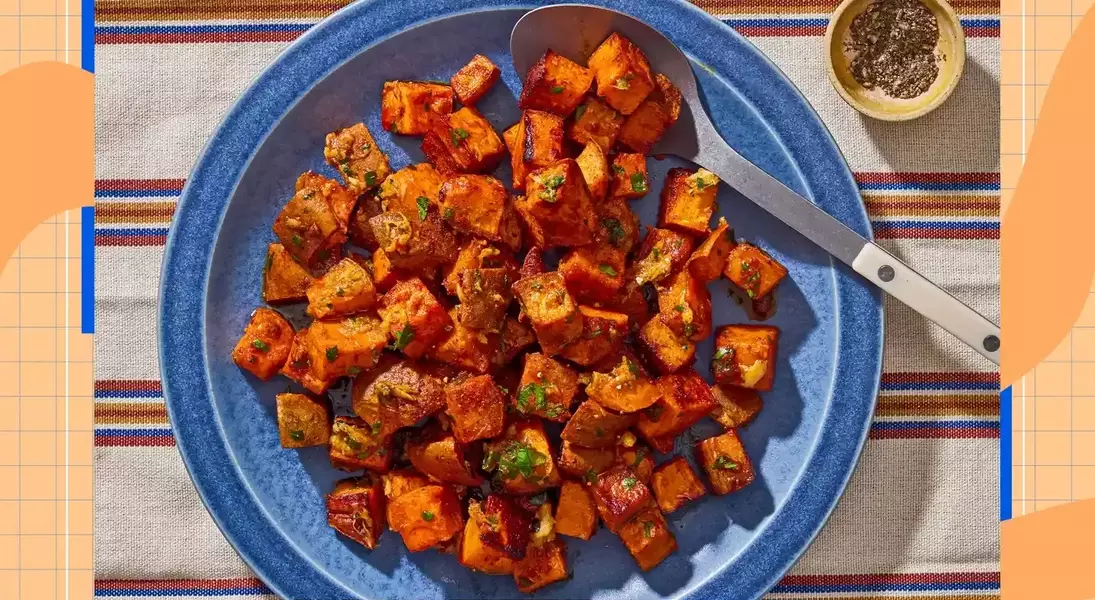
Sweet potatoes, a beloved staple for many, particularly during cooler months, are celebrated for their nutritional value and comforting appeal. Rich in essential vitamins like A and C, potassium, and dietary fiber, they contribute significantly to gut health and satiety. Esteemed culinary figures, including TV personality Andrew Zimmern, advocate for incorporating sweet potatoes into home cooking due to their ease of preparation and versatility. This root vegetable is not only healthy but also budget-friendly, making it an accessible ingredient for a wide range of dishes. The consensus among expert chefs points to one method as the optimal way to unlock the full potential of sweet potatoes: roasting.
Roasting sweet potatoes transforms them into a culinary delight, intensifying their inherent flavors and creating an appealing textural contrast. This method encourages the caramelization of natural sugars, yielding a deep, earthy sweetness and wonderfully crisp edges that are difficult to replicate with other cooking techniques. Whether you prefer them sliced, diced, or as fries, the dry heat of an oven coaxes out richer flavors. Beyond the primary cooking method, the world of sweet potatoes is vast, encompassing numerous varieties, each with unique characteristics that lend themselves to different culinary applications. From the moist, beta-carotene-rich orange varieties ideal for sweet preparations, to the drier, more savory white types, and the vibrantly colored purple varieties offering an earthy note, experimenting with these diverse options can elevate any meal.
The Culinary Consensus: Roasting Reigns Supreme
When it comes to preparing sweet potatoes, the culinary world speaks with a singular voice: roasting is the undisputed champion. Executive Chef Rocco Carulli highlights that roasting enhances the root vegetable's natural sweetness and complexity, creating a superior texture that boiling or steaming simply cannot match. The dry heat of the oven facilitates the caramelization of sugars, which leads to a more profound flavor profile and a delightful crispness on the exterior. This process not only elevates the taste but also preserves water-soluble vitamins that might otherwise be lost through other cooking methods. Celebrity chef Andrew Zimmern even suggests 'over-roasting' to further develop these rich, caramelized notes, confirming that the extended cooking time is key to drawing out the deepest flavors. This technique ensures the sweet potato's moisture evaporates, concentrating its sugars and melding them into its flesh for an exceptional culinary experience.
Natalie Marble, a culinary instructor and food blogger, echoes these sentiments, emphasizing the benefits of oven roasting for its ability to produce rich, deep flavors that are unparalleled. She recommends a simple approach: tossing sweet potatoes with olive or avocado oil, kosher salt, and black pepper on a sheet pan, then roasting at 400 degrees Fahrenheit. Depending on the desired outcome, additional spices like cumin, garlic, or smoked paprika can be added for a savory touch, while cinnamon or maple syrup can enhance their natural sweetness. Alternatively, she suggests seasoning simply with salt and pepper, then adding a layer of flavor after roasting, such as citrus-herb butter, chili crisp, or salsa verde. Chef Erin Fletter adds that a whole roasted sweet potato can be enjoyed plainly with butter and salt, or mashed into a smooth puree. The versatility extends to leftovers, which make excellent additions to wraps or salads the next day, underscoring roasting's role in creating delicious, adaptable sweet potato dishes.
Exploring the Diverse World of Sweet Potatoes
The sweet potato family is remarkably diverse, offering a spectrum of flavors, textures, and colors that extend far beyond the commonly known orange variety. Andrew Zimmern points out that while orange-fleshed sweet potatoes are a popular choice due to their moist texture, sweetness, and high beta-carotene content, ideal for pies, mashes, or roasted wedges, the culinary landscape of sweet potatoes is much broader. He encourages home cooks to venture beyond the familiar, highlighting the unique characteristics of other types. White sweet potatoes, for instance, offer a drier starch content and a less intense sweetness, making them an excellent substitute for regular potatoes in savory dishes like gratins, where their firm structure is an asset. Their subtle flavor profile makes them versatile for preparations that demand a sturdier texture.
Further expanding the palette, purple sweet potatoes, such as the Okinawan or Stokes varieties, introduce a dramatic visual element alongside a unique flavor. These vibrant tubers are known for their earthy, almost wine-like taste and firm texture, which makes them exceptional for crafting gnocchi, crispy chips, or a visually stunning colorful mash. Zimmern advises against singling out any one variety as "best," stressing that with over 400 known types—ranging in color from cream to gold to nearly black—each offers a distinct personality shaped by its growing environment. He advocates for culinary exploration, encouraging cooks to experiment with different varieties found in local markets. This experimentation not only broadens the understanding of sweet potato capabilities but also enriches the home cooking experience, proving that these humble root vegetables hold a vast and exciting culinary potential beyond simple roasting.
