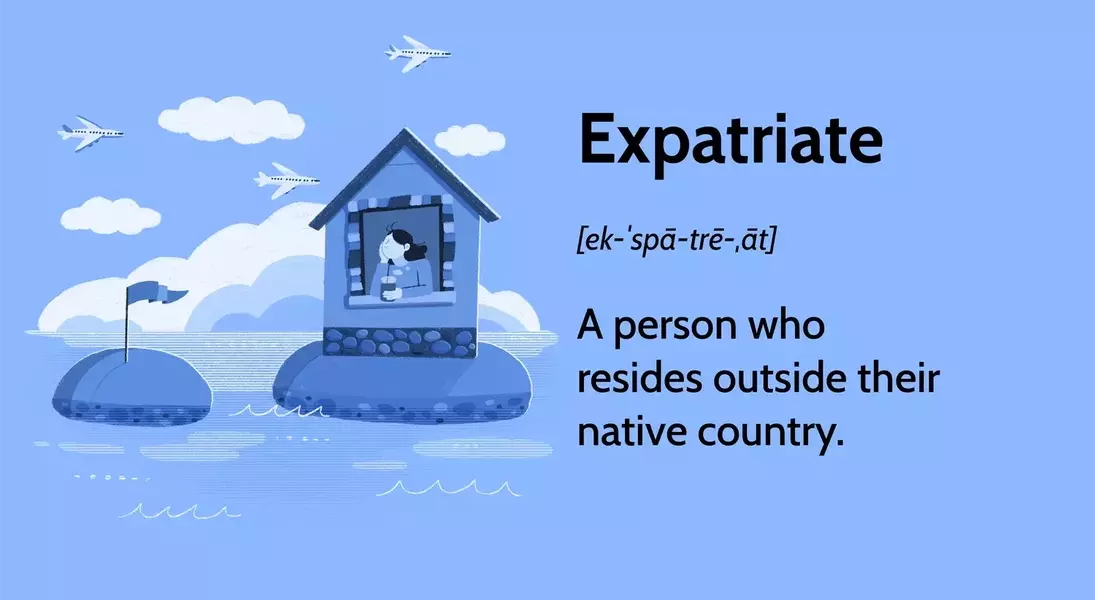
An expatriate, commonly referred to as an expat, is an individual who chooses to reside in a foreign nation for an extended duration, typically motivated by employment opportunities or retirement. This lifestyle offers unique advantages, such as exposure to diverse cultures and potentially a reduced cost of living, particularly appealing to retirees seeking a more economical or relaxed way of life. However, it also involves navigating intricate tax systems, adapting to new social norms, and managing the emotional impact of being far from one's native country.
Moving abroad, whether for work or retirement, necessitates careful financial planning and a thorough understanding of international tax laws. For example, American citizens living overseas are still subject to U.S. income taxes, regardless of where their earnings originate. To mitigate the burden of double taxation, the U.S. tax code provides provisions like the Foreign Earned Income Exclusion (FEIE), which allows expats to exclude a portion of their foreign-earned income, and the Foreign Tax Credit (FTC), which offers a dollar-for-dollar credit for taxes paid to a foreign government. These mechanisms help ensure that individuals are not taxed twice on the same income, though investment income may be treated differently. Additionally, those who choose to renounce their U.S. citizenship face an expatriation tax, a significant consideration given the financial and legal complexities involved.
The decision to become an expatriate involves weighing various benefits and drawbacks. On the positive side, expats can enjoy new adventures, access to different healthcare systems, and potentially a higher quality of life due to lower living expenses. Some countries even offer attractive government benefits like free healthcare and education. Conversely, challenges include maintaining connections with family and friends across time zones, overcoming language and cultural barriers, and dealing with the logistical hurdles of securing visas and permits. The stability of the chosen country, both politically and economically, is another crucial factor to assess before committing to an expatriate lifestyle. Ultimately, careful research and perhaps even exploratory visits are recommended before making such a significant life change.
Embracing an expatriate lifestyle, whether for career advancement or a peaceful retirement, embodies a spirit of adventure and adaptability. It challenges individuals to broaden their horizons, fosters a deeper understanding of global cultures, and often leads to a richer, more diverse life experience. By proactively addressing the financial and logistical complexities, and by maintaining a positive and open-minded approach, expatriates can build fulfilling lives that transcend geographical boundaries, contributing to a more interconnected and understanding world.
