Shuhei Yoshida, a prominent figure in the gaming industry, recently offered his preliminary thoughts on Valve's latest hardware, the Steam Machine and its accompanying controller. His observations, following a limited period of use, highlight both areas of concern and aspects he found appealing, painting a picture of a device with potential but also significant drawbacks, particularly when considering its cost.
Former PlayStation Executive Reviews Valve's New Gaming Hardware
In a recent public statement on social media, Shuhei Yoshida, who previously led Sony's SIE Worldwide Studios and later its independent development initiatives, conveyed his initial impressions after spending several hours with Valve's new Steam Machine. This gaming device has been a subject of considerable discussion, especially regarding its pricing strategy.
Yoshida's primary critique focused on the system's graphical capabilities, describing the 3D performance as merely "meh." He noted that the device automatically suggested a 1080p resolution, prompting him to recall the PlayStation 4 era, suggesting a lack of cutting-edge visual fidelity. Furthermore, Yoshida pointed out prolonged loading times for certain games, raising questions about the system's efficiency.
These performance concerns echo sentiments previously voiced by reviewers, who observed that the Steam Machine's RDNA 3-era graphics hardware struggled with demanding features like ray tracing and generally underperformed compared to similarly priced mini PCs. The Atomman G1 Pro, for instance, reportedly offered a superior gaming experience.
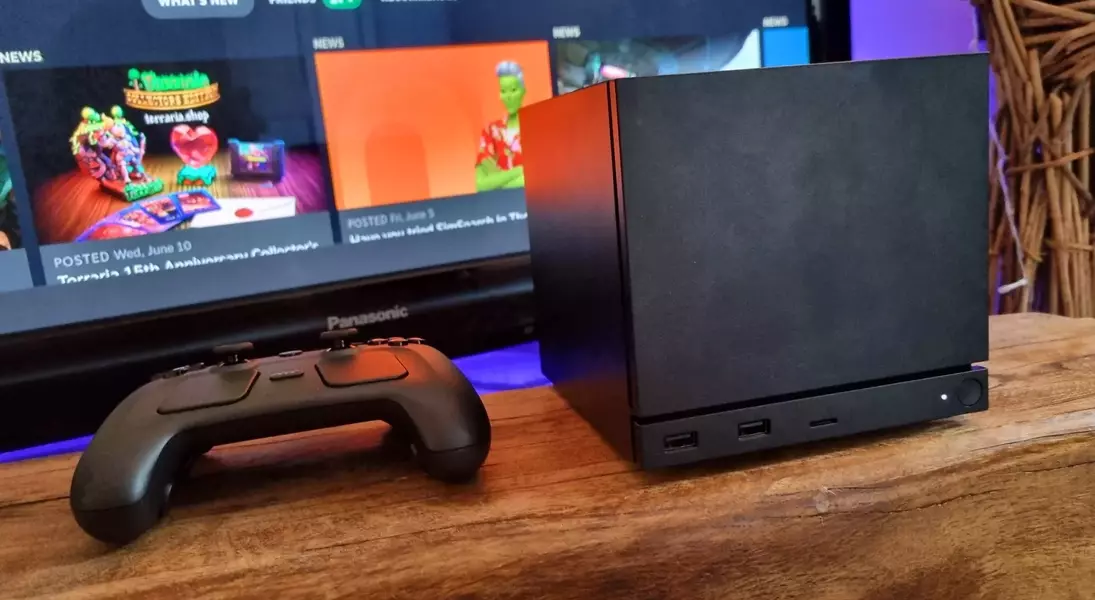
Beyond the Steam Machine itself, Yoshida also evaluated the new Steam Controller. While he found the concept of integrating touchpads into a controller innovative, he remarked that they were excessively sensitive and challenging to master. He also expressed a preference for firmer analog sticks, a comment that likely stems from his familiarity with the PlayStation 5's DualSense controller, known for its responsive and tactile sticks.
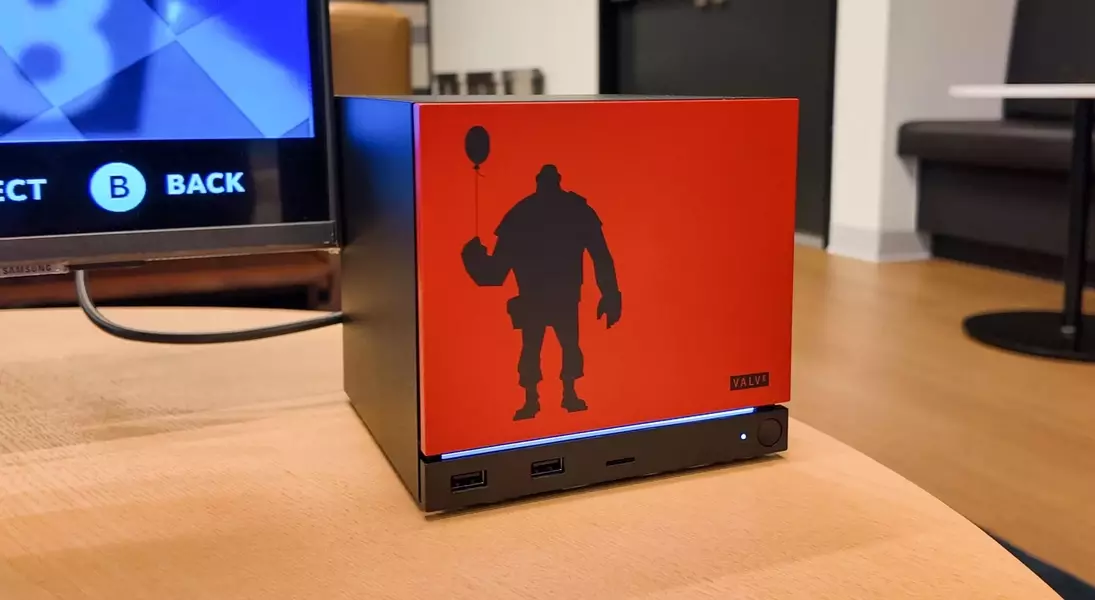
Despite these criticisms, Yoshida did acknowledge several positive attributes. He commended the SteamOS user interface for its ease of use and appreciated the convenience of activating the system directly via the Steam Controller. The customizable faceplate also earned his approval, as did the system's boot-up animations. Ultimately, he concluded that the ability to play Steam games on his living room television was a compelling enough reason for him to retain the device.
He further praised the Steam Machine's compact form factor and its quiet operation, highlighting these as significant advantages. While Yoshida's review is based on limited interaction, his insights align with broader industry discussions about the Steam Machine's high cost relative to its performance, suggesting that his observations are likely to resonate with many potential users.
This candid assessment from a seasoned industry veteran like Yoshida offers valuable perspective. It underscores the challenges of introducing new hardware into a competitive market, where performance, user experience, and price point are all critical factors. While the Steam Machine offers unique features like seamless living room PC gaming, its current iteration may not fully meet the expectations of all consumers, especially those accustomed to high-performance gaming at a more accessible price.
