The fashion landscape for men's shorts in 2026 is experiencing a dynamic shift, characterized by a notable "shorts divide." While some fashion-forward individuals embrace extremely short, thigh-revealing hemlines, others are gravitating towards more relaxed, knee-length or even longer styles. This dual trend has sparked considerable debate within the menswear community, as experts and enthusiasts alike ponder the defining short length for the upcoming summer season. The prevailing sentiment, however, points towards a versatile, mid-length short that offers both comfort and a universally flattering aesthetic, indicating a subtle yet significant evolution in men's summer attire.
The Great Shorts Divide: Unpacking 2026's Dominant Trend
As summer approaches in 2026, the question of ideal shorts length for men has once again come to the forefront, showcasing a distinct bifurcation in style preferences. Celebrities like Paul Mescal and Pharrell have been seen championing ultra-short designs, emphasizing a bold, leg-baring silhouette. Conversely, figures such as Justin Bieber and models on Lemaire’s runways have been spotted in more generous, below-the-knee shorts, reflecting a preference for ample volume and relaxed comfort. This divergence has led to what some are calling the "Great Shorts Divide."
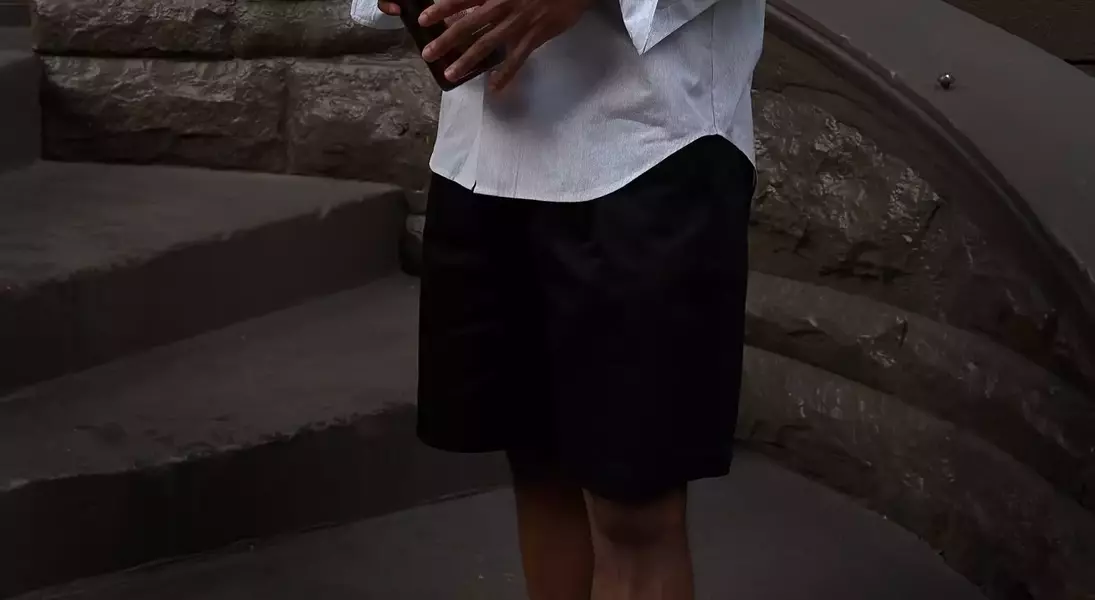
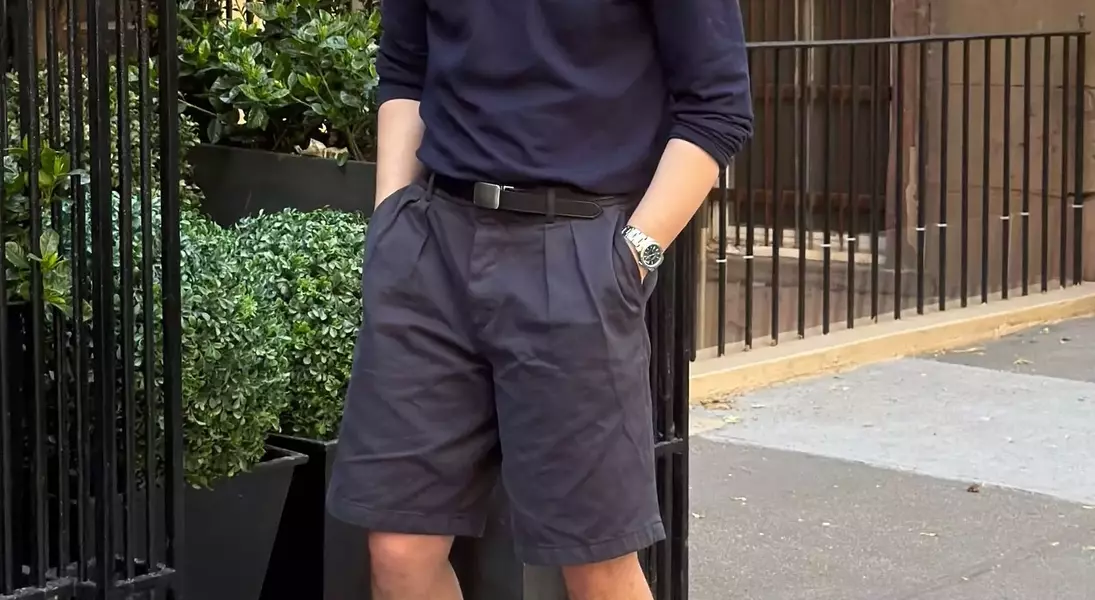
Renowned menswear authority Nick Wooster, known for his extensive collection of shorts, suggests a pragmatic approach. He advocates for a "sweet-spot" length that falls just around the knee, typically with a seven- to nine-inch inseam. Wooster asserts that this length is universally flattering and offers a safe, stylish choice for most men. Jake Woolf, a fashion writer and contributor to GQ, concurs, noting his personal shift towards wider and longer silhouettes. Woolf highlights the practical benefits of increased airflow and comfort offered by these roomier styles, particularly during warmer months. He recounts how previous slim-fit shorts often felt restrictive, likening them to "wearing the top half of a skinny chino" and praising the liberation found in looser, more voluminous designs that prevent inadvertent thigh exposure when seated.
Historically, discussions around men's shorts have often focused intently on inseam length, a trend exemplified by the fervor surrounding five-inch shorts in summer 2020. However, recent conversations have broadened to include elements of volume and structural design. Woolf points to an iconic photograph of Giorgio Armani as a contemporary "Bible" for short styles, emphasizing the importance of these broader design considerations. Menswear creator Will Phillips observes a similar shift, noting a pivot from ultra-short styles, previously popularized by figures like John F. Kennedy Jr., towards baggier, more relaxed cuts, which are currently "what’s popping."
Despite the general leaning towards mid-length shorts, both extremes continue to maintain their appeal. The avant-garde, downtown aesthetic embraces giant, capri-like shorts paired with white socks and black leather shoes—a look reminiscent of early 2000s Pharrell, as Woolf playfully describes it, evoking a "music video on TRL in 2001." Simultaneously, the ultra-short trend will persist, seen on fashion icons like Mescal. Yet, it is the balanced, mid-length short that appears poised to define this summer's dominant style.
This evolution in menswear reflects a growing desire for classic proportions, moving away from the exaggerated styles, such as oversized pants and miniature loafers, that have characterized recent trends. While a consensus is forming around the mid-length short for daily wear, experts agree on the utility of owning a variety of lengths and cuts. Different occasions, from a casual coffee meeting to a gym session or a weekend river escape, necessitate distinct styles. However, for urban environments and formal-casual settings, Wooster firmly believes that shorts that gracefully hover just above the knee are the most appropriate and chic choice.
The evolving trends in men's shorts underscore a broader shift in fashion towards versatility and individual expression. It highlights how personal comfort and functional design are increasingly influencing aesthetic choices, moving beyond rigid style dictums. This provides an opportunity for individuals to experiment with various lengths and volumes, ultimately curating a wardrobe that is both stylish and suited to diverse contexts. The debate between extremes and the embrace of a balanced middle ground reflect a mature and adaptable approach to contemporary menswear, suggesting that the most authentic style is one that harmonizes personal preference with practical needs.
