The signature sound of the Diablo series, instantly recognizable to fans, is the melancholic reverberation of a steel-string guitar, weaving slow chords and arpeggios over an atmospheric background. This auditory identity, deeply rooted in the series' dark fantasy aesthetic, differentiates it from the epic grandeur of other fantasy franchises. Its mournful and mysterious quality, inspired by folklore, masterfully blends ancient and contemporary elements.
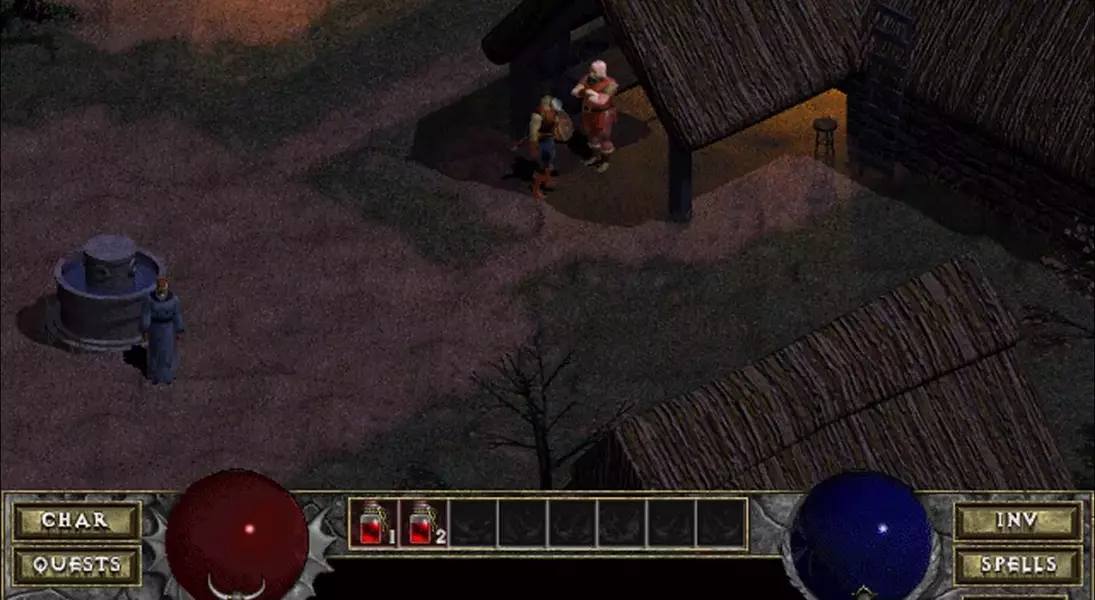
This iconic sound originated from Matt Uelmen's "Tristram" masterpiece in the 1997 original Diablo soundtrack and has since become a recurring motif throughout the series. While this musical legacy is undeniably powerful, it also presents a challenge for subsequent composers. Blizzard's in-house music team, responsible for the scores of Diablo 4, acknowledges the significance of the "Tristram" sound but expresses a desire to evolve beyond mere imitation. Lead composer Ted Reedy emphasizes referencing the original while seeking fresh interpretations, a sentiment echoed by Leo Kaliski, who contributed to Diablo 4's score, highlighting the struggle to find unique expression within such an established sonic landscape.
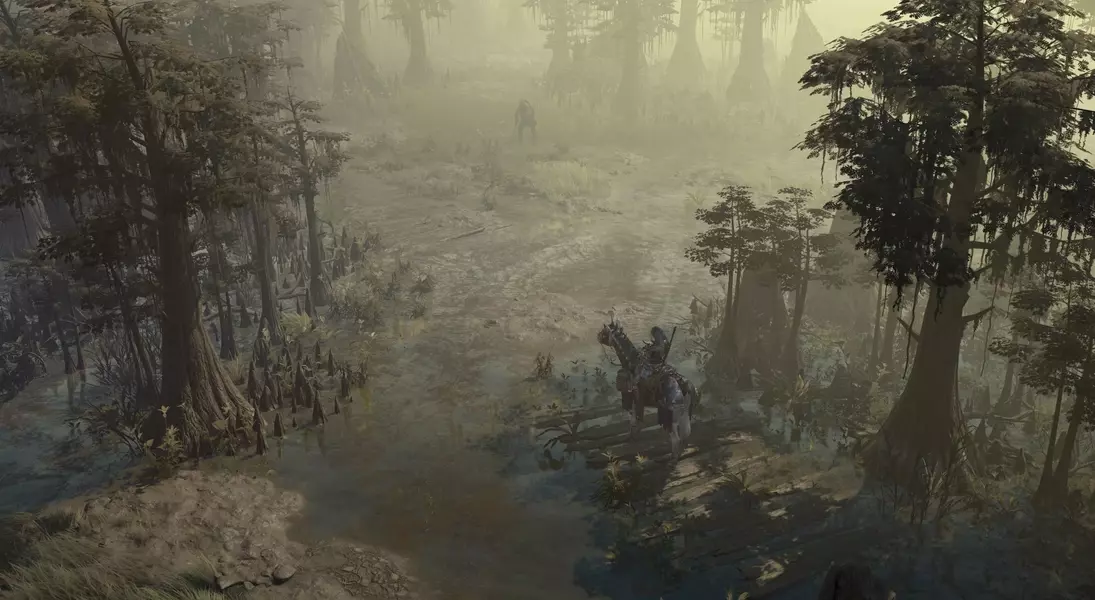
Blizzard's music director, Derek Duke, defines Diablo's music not by a specific instrument, but by its capacity for immersive storytelling, its gothic essence, and its underlying darkness. He describes it as possessing an "emotional ambiguity," allowing the music to resonate with the listener's experiences while enhancing the narrative. This approach has led to innovative sound design in Diablo 4, incorporating elements like a drone choir for ethereal vocal textures in the Hawezar region and distorted bagpipes for the Scosglen area. The team for Diablo 4: Lord of Hatred even built an entire score around the unique voices of two female vocalists to embody the Oracle and Amazon Queens. While these new sounds may not achieve the instant iconic status of Uelmen's guitar, they contribute to an evolving soundscape, always with the option to weave in the familiar guitar when needed.
The journey of Diablo's music illustrates a profound commitment to artistic growth within a beloved franchise. By honoring its origins while fearlessly exploring new sonic territories, the composers create a dynamic and rich auditory experience that continues to deepen player immersion and enhance the game's evolving narrative. This blend of reverence and innovation ensures the legacy of Diablo's music, inviting players into a world where familiar echoes meet exciting new harmonies.
