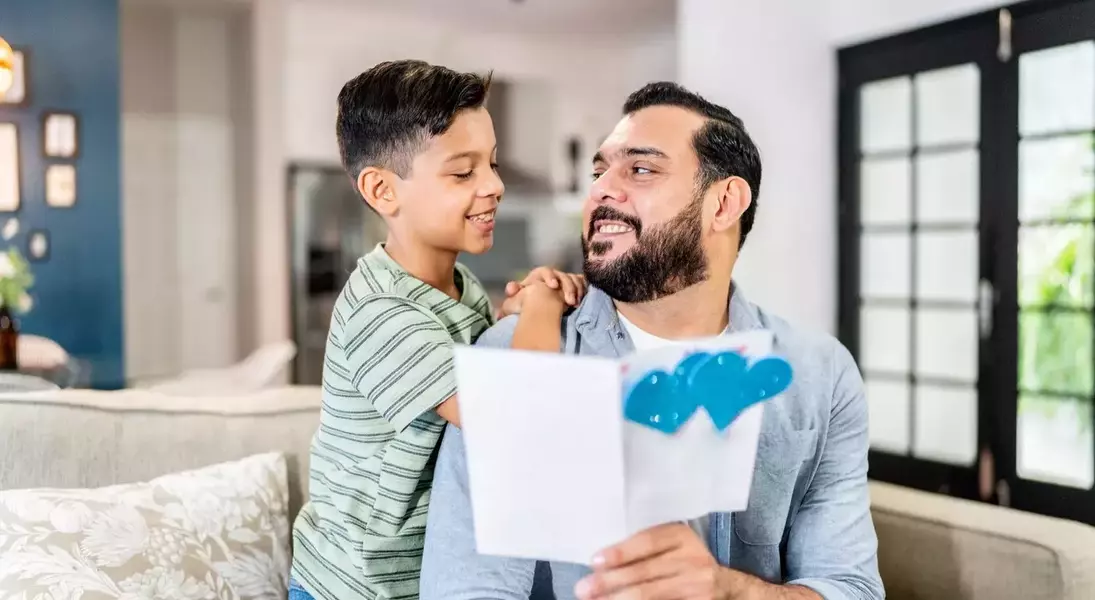
In an increasingly dynamic family landscape, the tradition of Father's Day is undergoing a subtle yet significant shift. Many parents are now contemplating the ideal age for their offspring to assume a more active role in organizing this special day. This evolving perspective prioritizes genuine appreciation over material presents, fostering a sense of shared responsibility within the family unit.
Kids Stepping Up: A New Approach to Father's Day Planning
As Father's Day approached, one mother, with a high schooler and two middle schoolers at home, found herself reflecting on the perennial task of orchestrating her husband's celebration. Realizing her elder children were perfectly capable of contributing meaningfully, she began to consider stepping back from her usual role as the primary planner. While not abandoning the day's importance, she recognized that her daughters possessed the skills to prepare breakfast and ensure their father enjoyed a relaxing day. Although they might not yet be old enough to drive to the store for groceries, their growing independence suggested it was time for them to take the reins.
This sentiment resonated with a broader conversation among parents regarding the age at which children should become more involved in holiday preparations. A survey conducted by Parents on social media revealed a spectrum of opinions. Some respondents felt that the partner still held the primary responsibility for Father's Day planning, echoing the expectation for Mother's Day. Others, however, shared stories of children as young as eight years old actively participating in planning and selecting gifts. A recurring theme was the understanding that a father's desire is not necessarily for expensive presents but to feel valued and loved. One poignant comment highlighted the privilege of having a father figure present, urging families to simply celebrate the bond.
Ultimately, the consensus leaned towards a gradual handover of responsibilities, allowing children to learn and contribute as they mature. This approach not only eases the burden on one parent but also empowers children to express their love and appreciation in meaningful ways, making Father's Day a truly collaborative family endeavor. The underlying message is clear: whether through a simple homemade breakfast or a thoughtfully planned activity, the essence of Father's Day lies in making dads feel cherished, a task that can, and perhaps should, be shared across generations.
