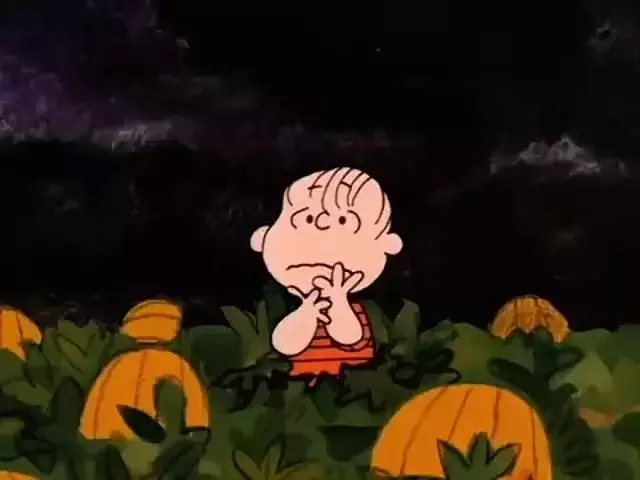
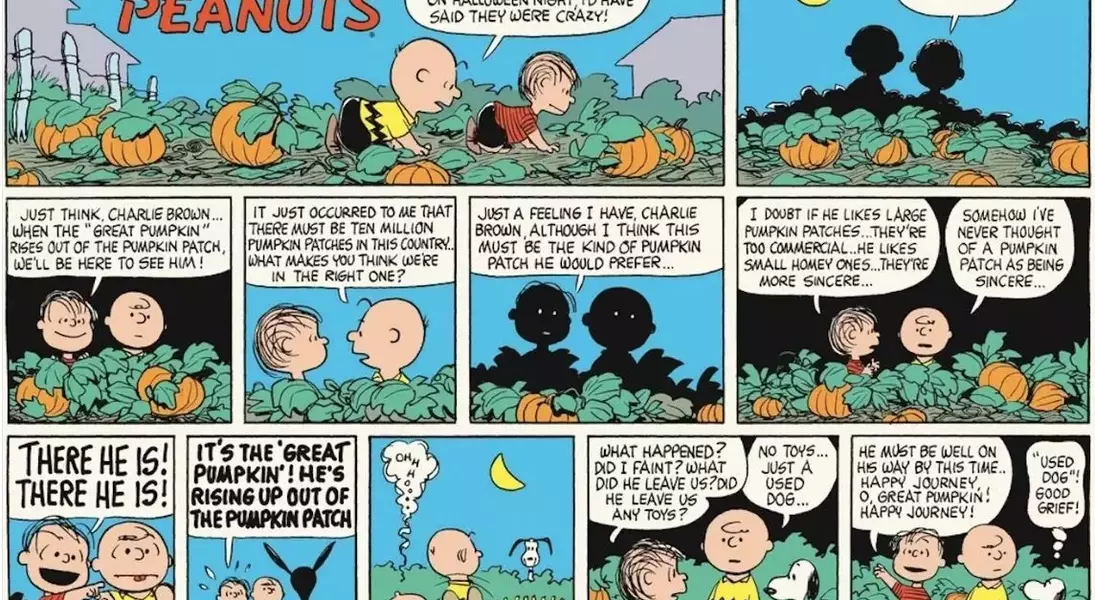
The beloved "It's the Great Pumpkin, Charlie Brown" television special, first broadcast in 1966, introduced many to Linus's unique Halloween tradition. While his friends engage in typical festivities like trick-or-treating, Linus steadfastly dedicates his Halloween night to waiting in a pumpkin patch for the arrival of the "Great Pumpkin." This mythical entity, as Linus explains, is believed to rise from the most "sincere" pumpkin patch and deliver gifts to waiting children. Despite repeated disappointments, Linus's faith remains unshaken, as he consistently vows to await its return each year. However, for those familiar primarily with the animated special, there's a deeper, more extensive narrative surrounding Linus's peculiar conviction within the original "Peanuts" comic strips.
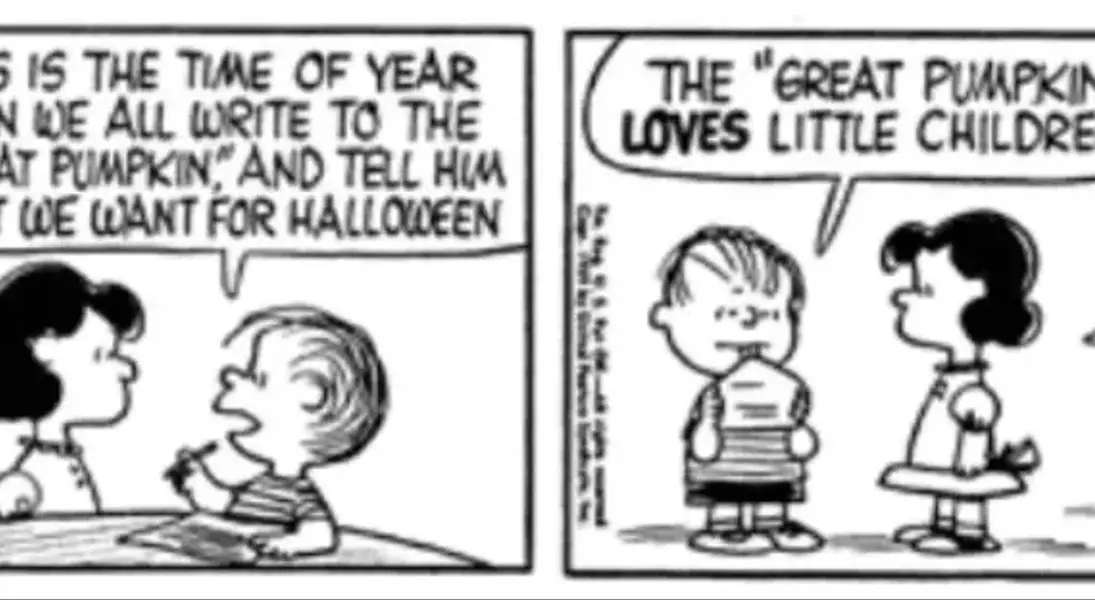
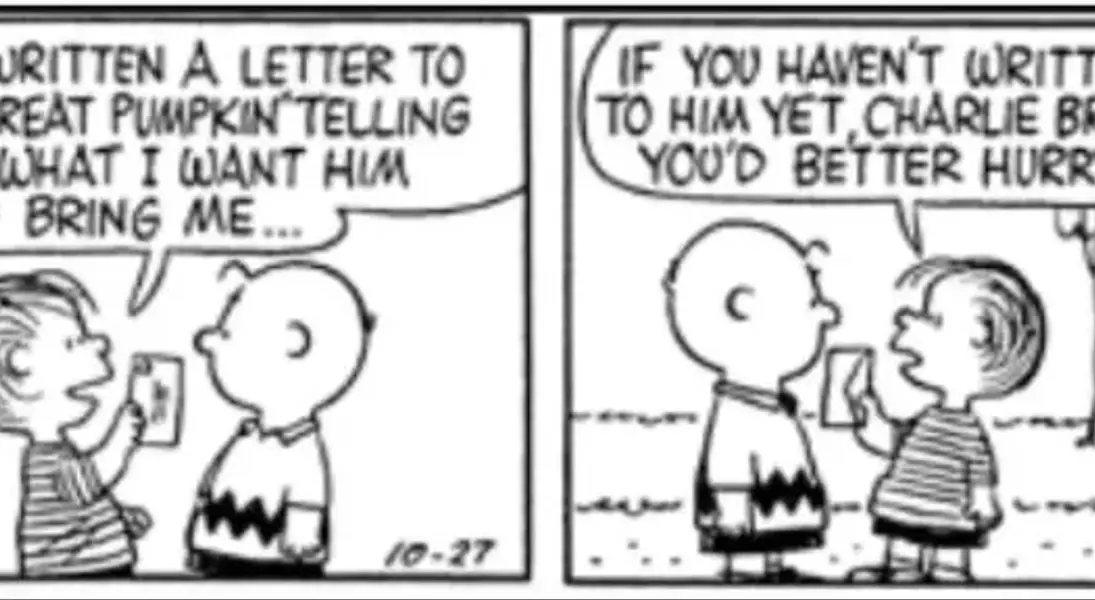
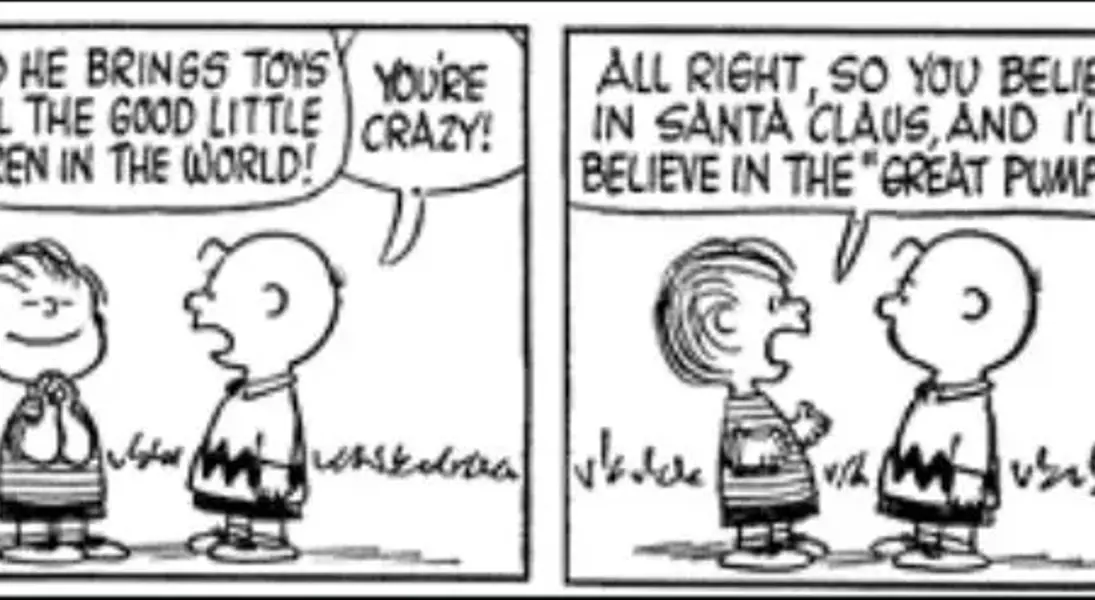
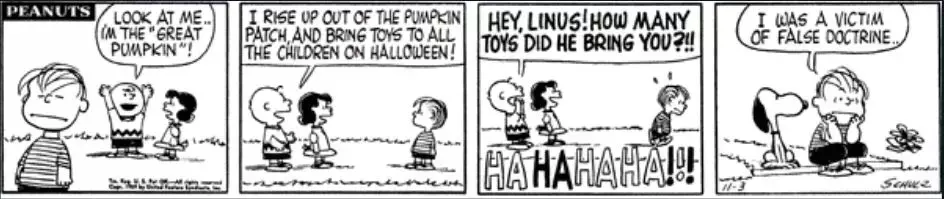
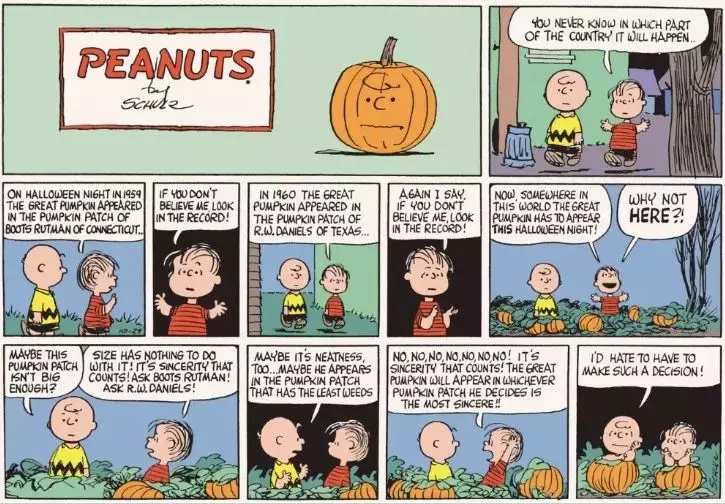
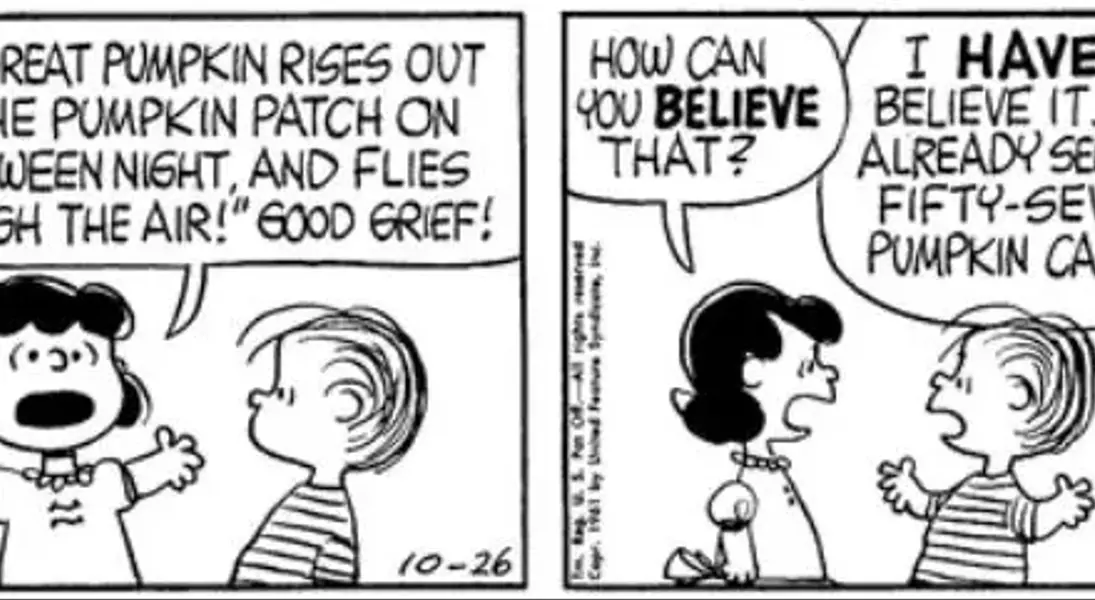
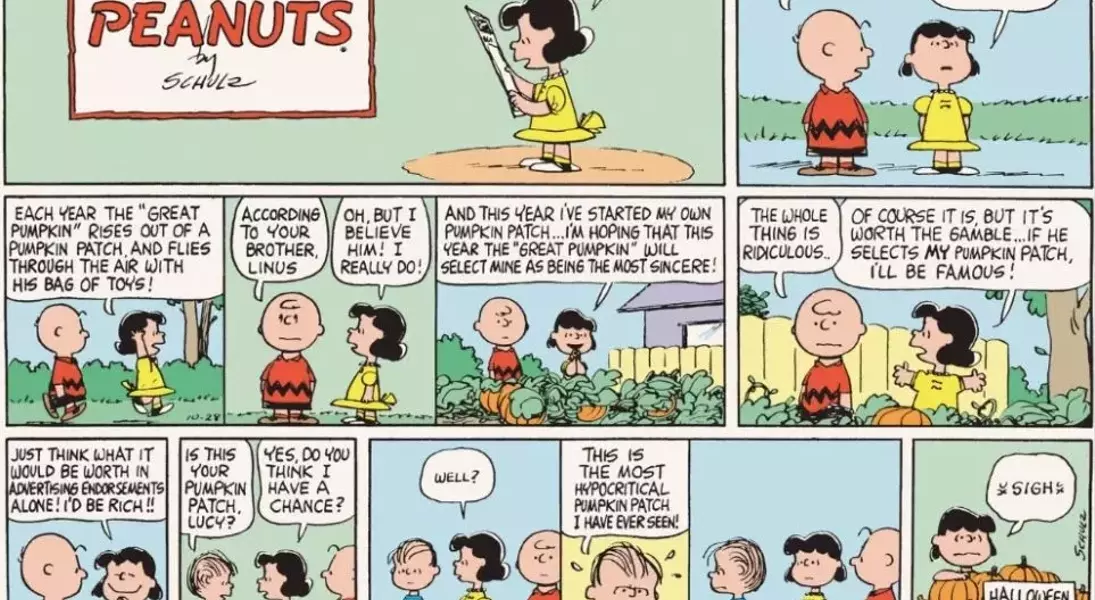
The concept of the Great Pumpkin made its comic strip debut on October 26, 1959, portraying Linus penning a letter to this fantastical being. In these early strips, Linus enthusiastically describes the Great Pumpkin as a benevolent figure who loves children and delivers toys from a pumpkin patch. His sister Lucy and Charlie Brown often react with bewilderment or disbelief to his fervent pronouncements. Charles Schulz frequently revisited this theme in the days leading up to Halloween, with Linus attempting to persuade his skeptical friends. A particularly amusing instance in 1960 shows Charlie Brown questioning the statistical probability of picking the "right" pumpkin patch out of millions. The strips of 1961 offer especially witty dialogues, including Linus citing historical (and comically specific) appearances of the Great Pumpkin in named pumpkin patches. Another notable strip from 1961 showcases Linus's humorous yet unwavering commitment, where he declares it would be "economically disastrous" not to believe, having already invested in numerous pumpkin cards. By 1962, Lucy herself momentarily succumbs to Linus's conviction, even attempting to cultivate her own pumpkin patch to attract the Great Pumpkin, only to be rebuked by Linus for her perceived greed, leading her to abandon the endeavor and sell her pumpkins instead.
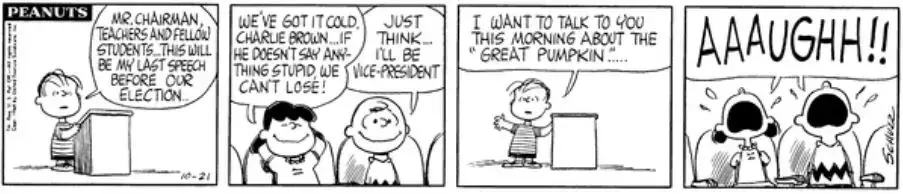
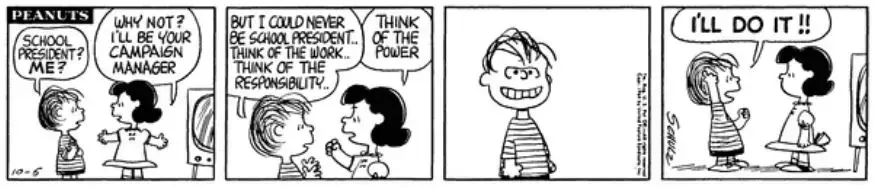
Exploring these vintage "Peanuts" strips offers a dual perspective. For viewers accustomed to the TV special, it feels like uncovering "lost scenes," revealing Linus's diverse strategies to convince his peers and their varied reactions to his peculiar obsession. More profoundly, reading these strips collectively paints Linus as almost an "obsessed madman" rather than merely someone with a quirky belief, which amplifies the humor surrounding the Great Pumpkin narrative. Schulz's storytelling brilliance truly shines in the October 1964 sequence. In an election year, he launched a multi-week storyline about Linus running for class president, where Linus, initially a strong and popular candidate known for revolutionary speeches, dramatically torpedoes his own campaign by unexpectedly endorsing the Great Pumpkin during his final, crucial speech. This masterful narrative choice, where Schulz intentionally shifts focus from the political race to the Great Pumpkin, brilliantly underscores Linus's unwavering, almost unhinged, dedication to his belief, showcasing Schulz's unparalleled talent for both storytelling and comedic timing.
Charles Schulz's portrayal of Linus and the Great Pumpkin serves as a profound allegory for the power of unwavering faith and conviction, even in the face of widespread skepticism. Linus's steadfast belief, despite repeated disappointment, highlights the human capacity for hope and the courage to stand by one's ideals, no matter how unconventional they may seem. This narrative encourages us to embrace our unique perspectives and reminds us that true conviction, even when it leads to unexpected outcomes, can be a source of strength and a testament to the richness of the human spirit.