The 1982 Volkswagen Scirocco, as examined in a retrospective from the January 1982 edition of Car and Driver, represents a significant chapter in the evolution of Volkswagen's sporty coupe. This article provides a comprehensive analysis of the vehicle, from its design philosophy and mechanical underpinnings to its on-road performance and interior refinements. It captures the essence of how Volkswagen sought to build upon the legacy of the original Scirocco, a car celebrated for its spirited driving dynamics and unexpected utility. The review meticulously details the technical specifications, aerodynamic improvements, and interior enhancements, while also reflecting on the car's driving character and the contemporary reception of its redesign. It serves as a historical document offering insights into automotive engineering and design trends of the early 1980s, emphasizing Volkswagen's commitment to efficiency and driver engagement.
Embracing the Legacy: Volkswagen Scirocco's New Chapter
The Anticipation and Arrival of a Successor
For enthusiasts of nimble, performance-oriented vehicles, the introduction of a new generation of Volkswagen's acclaimed Scirocco was met with considerable interest. Following the success of its predecessor, known for its engaging driving experience, the pressure was on Volkswagen to deliver a worthy follow-up. The updated model, which began appearing in dealerships, aimed to capture the same spirit that endeared the original to its dedicated fanbase, affirming its place as a vehicle for those who value driving excitement.
Preserving Core Strengths: Practicality and Performance
Beyond its ability to deliver an exhilarating drive, the first Scirocco distinguished itself with a blend of style and utility. Its distinctive design, crafted by Giugiaro, housed a surprisingly practical interior, capable of accommodating passengers for short distances and offering substantial cargo space through its hatchback design. Underneath its sleek exterior, the vehicle incorporated reliable components from the popular Rabbit, ensuring both economic operation and dependability. This combination of sporting appeal and everyday functionality set a high bar for the subsequent model.
Engineered Evolution: Subtle Yet Significant Changes
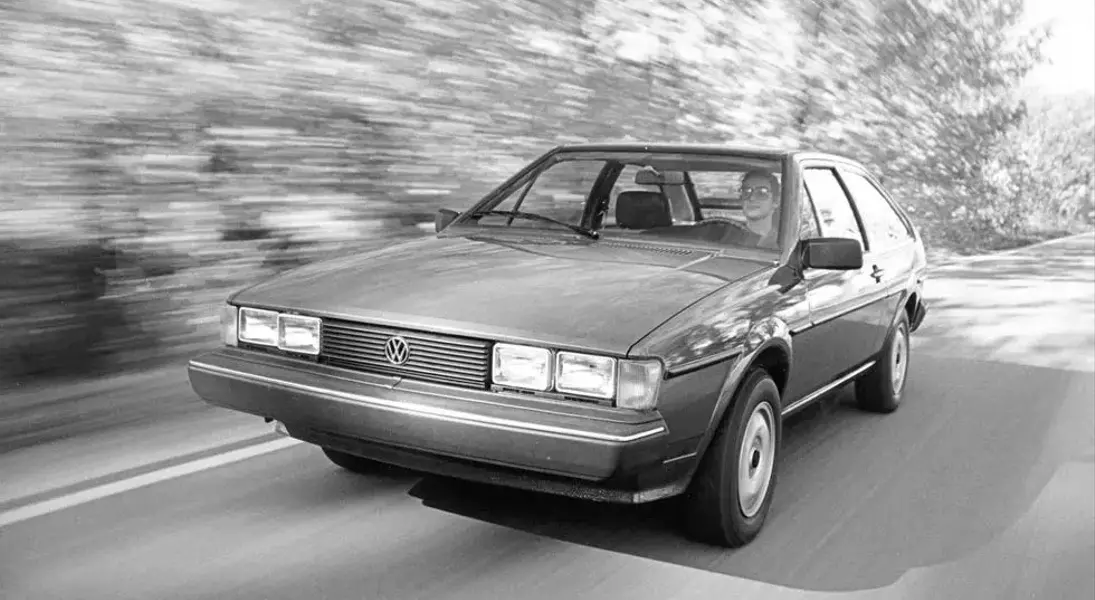
Improving on an already successful formula proved to be a challenging endeavor for Volkswagen's engineering teams. The 1982 Scirocco, upon closer inspection, revealed a design philosophy that largely honored its roots, maintaining many of the fundamental characteristics of its predecessor. Volkswagen openly acknowledged the significant carryover of existing components, including the 74-horsepower, 1.7-liter fuel-injected four-cylinder engine and the five-speed manual transmission, along with much of the chassis and suspension architecture. The primary structural modification involved extending the floorpan to accommodate a slightly longer body.
Addressing Practicality: Enhanced Space and Comfort
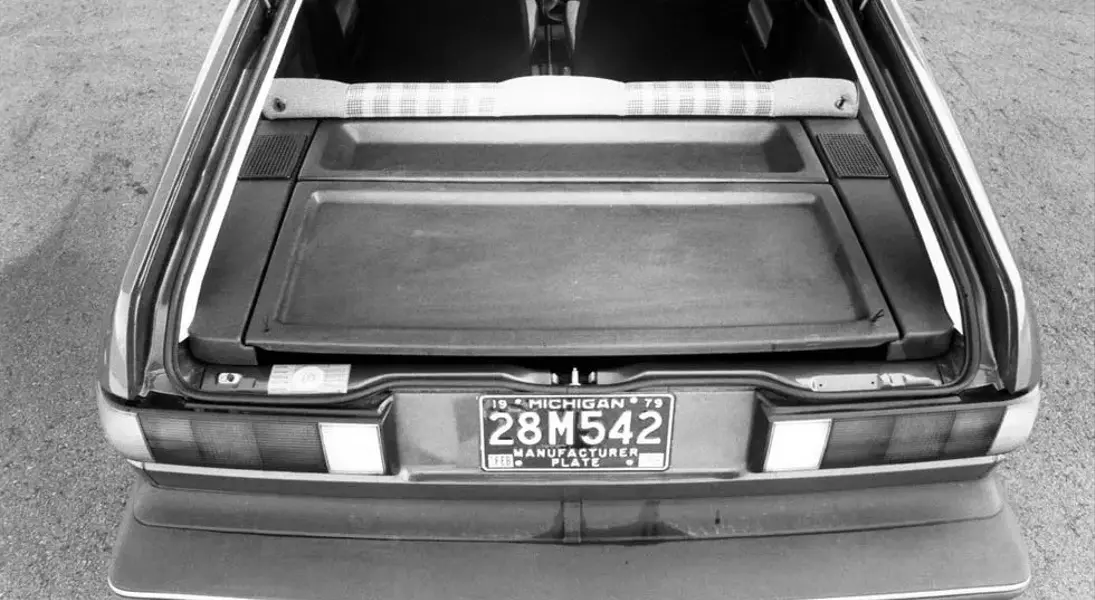
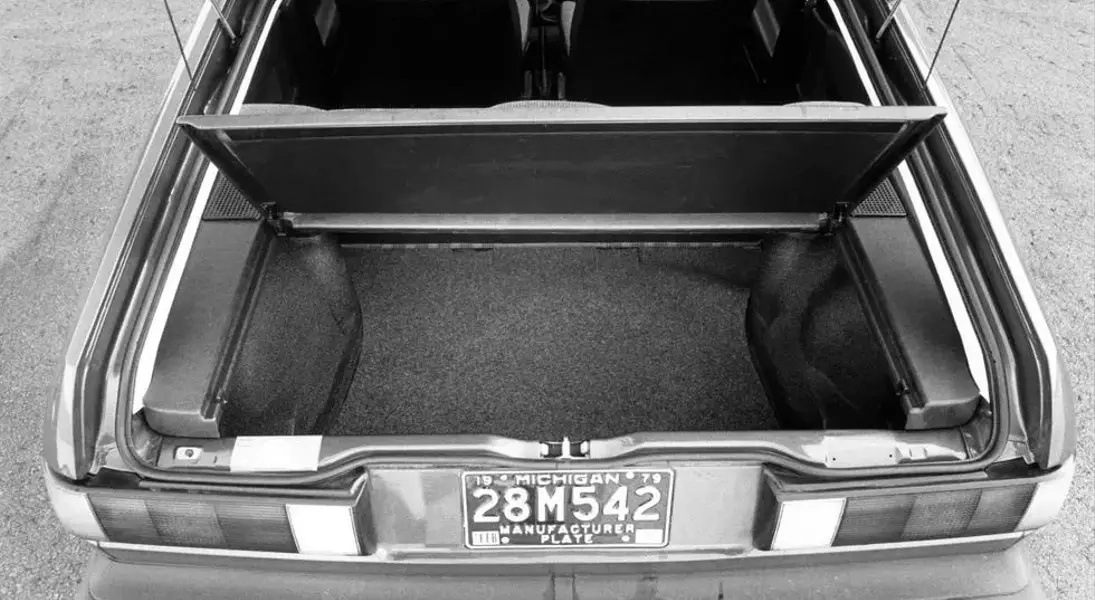
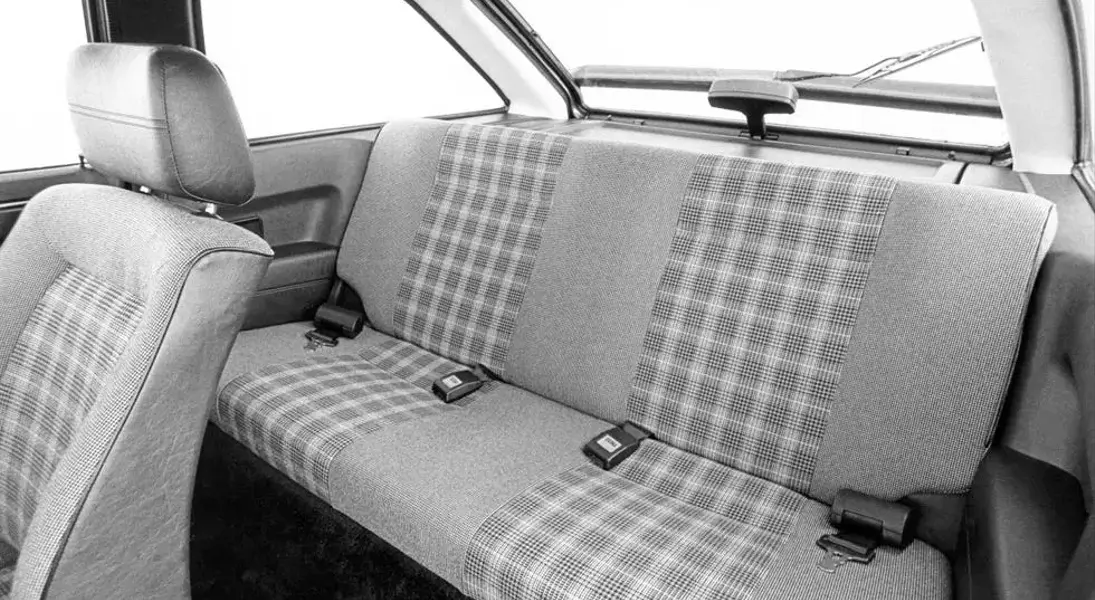
In a period dominated by downsizing trends, Volkswagen strategically opted to increase the Scirocco's dimensions, specifically to resolve the previous model's limitations in cargo capacity and interior headroom. The redesign successfully expanded front and rear passenger space, providing substantially more headroom and a significant boost in luggage volume. While these improvements added approximately 100 pounds to the vehicle's curb weight, the Scirocco remained a relatively lightweight contender in its class at 2160 pounds.
Redesigning for Efficiency: Aerodynamic Advancements
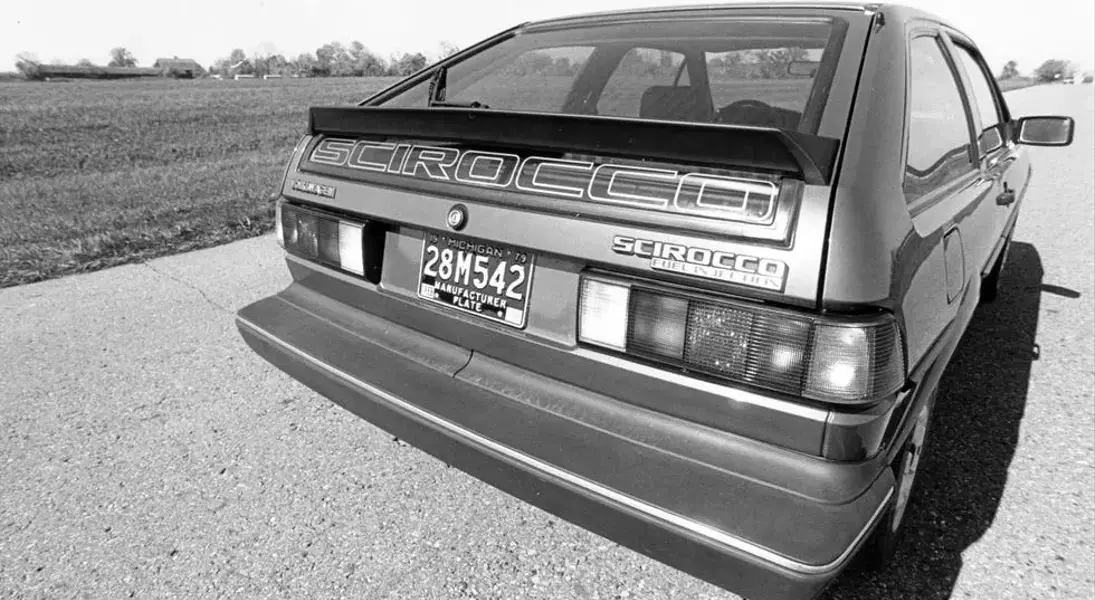
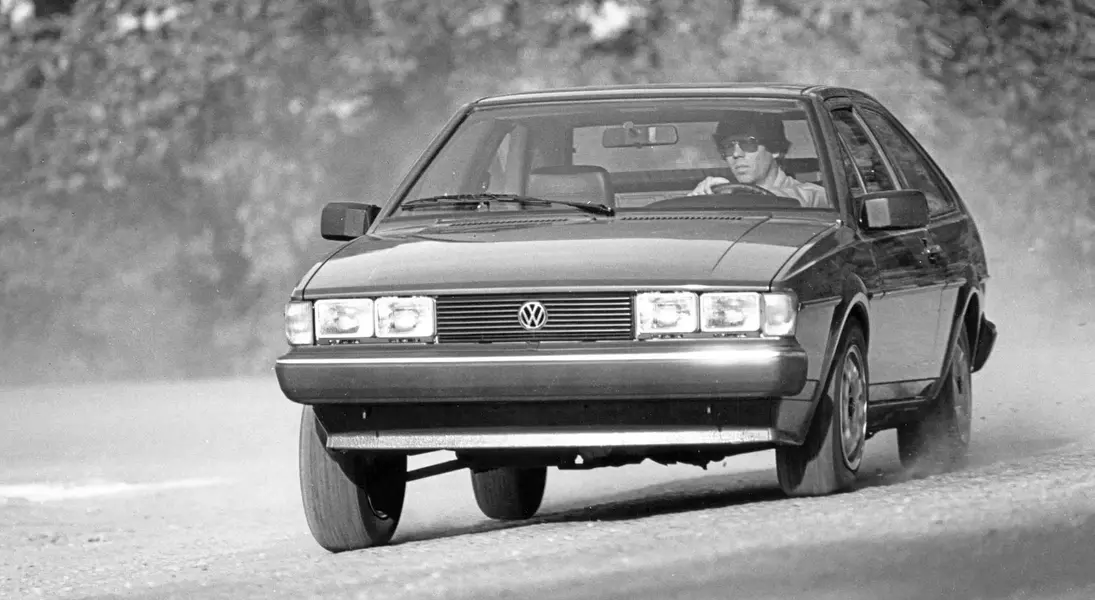
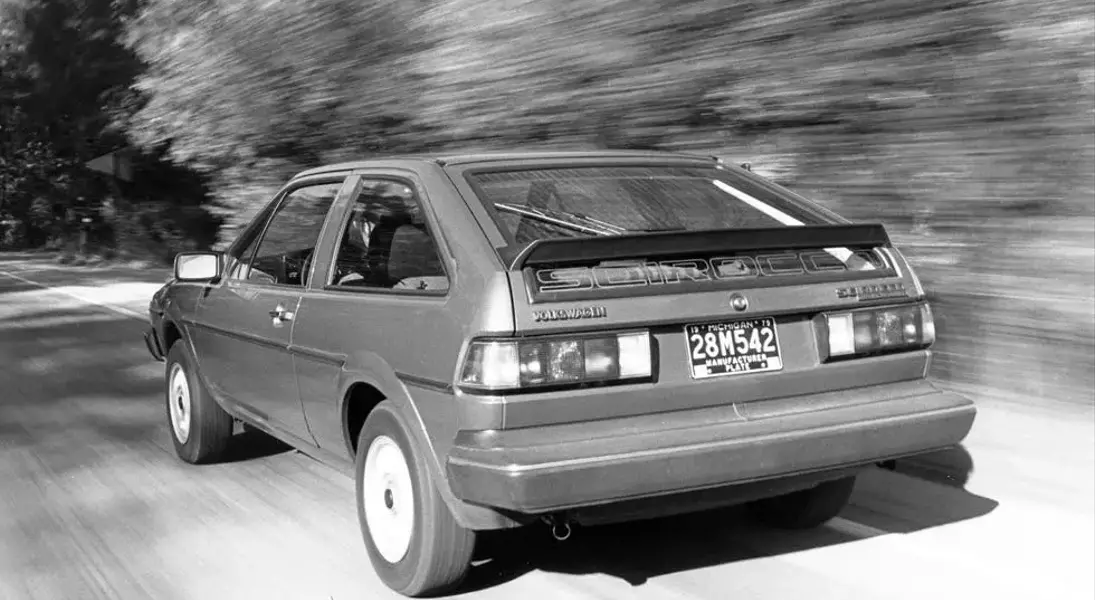
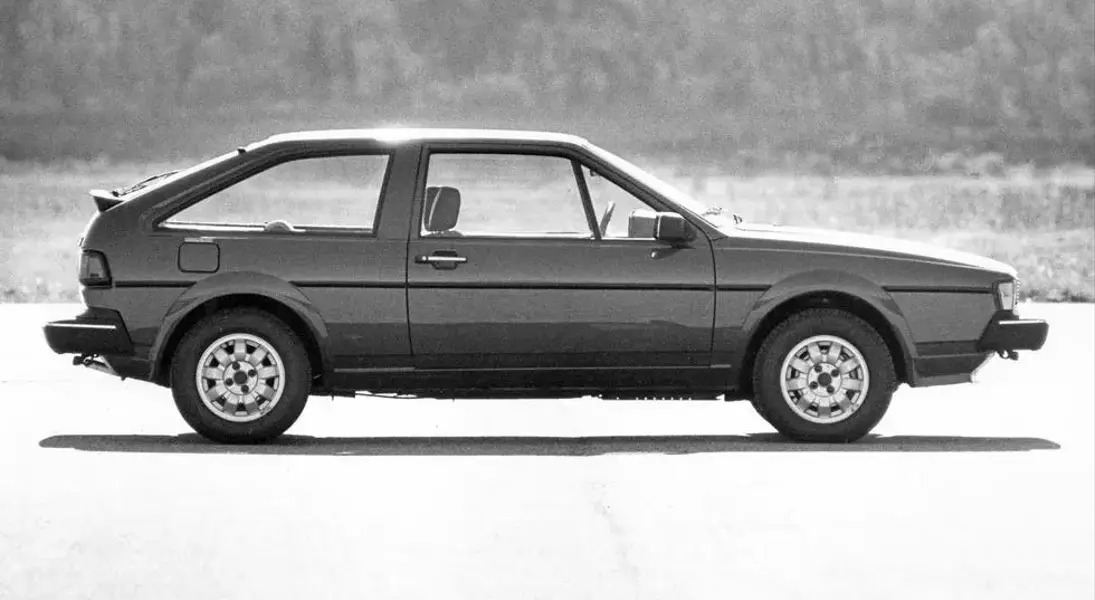
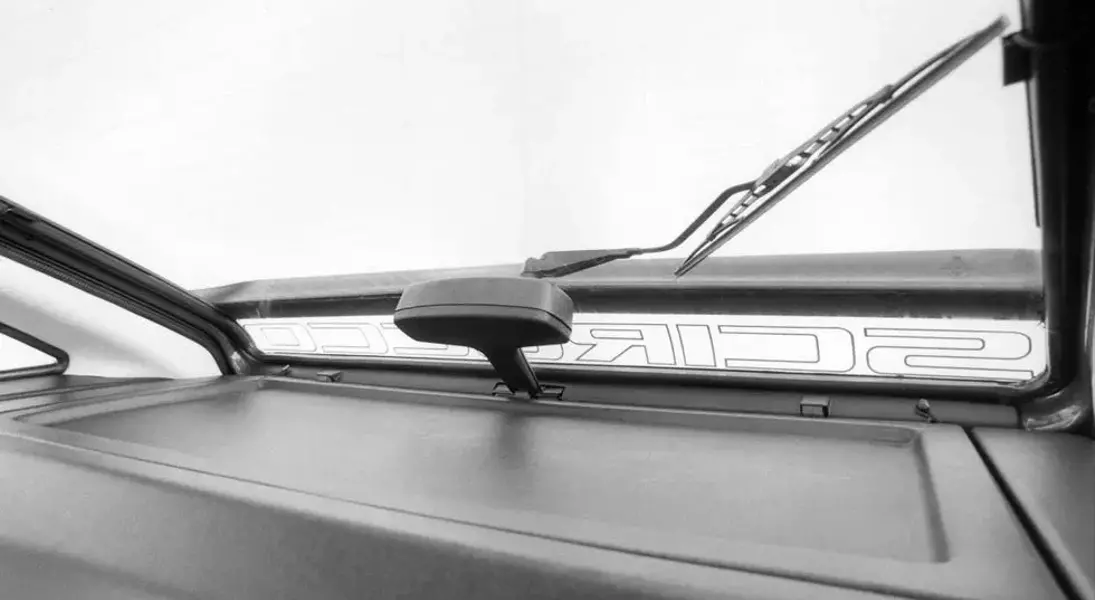
The exterior restyling of the 1982 Scirocco, undertaken by Volkswagen's in-house design team rather than the original designer Giugiaro, aimed to achieve a more aerodynamically efficient profile. Extensive wind tunnel testing informed several key modifications, including a more steeply raked windshield, a gradually tapering roofline, and the elimination of rain gutters. An integrated front air dam and a soft rear spoiler were incorporated to reduce lift and turbulence, collectively improving the car's drag coefficient to 0.39 – a 9% enhancement over its predecessor. These changes, while sometimes altering the car's visual character, demonstrably improved its performance through the air, even outperforming the older model in high-speed acceleration tests.
Interior Transformation: Driver-Focused Refinements
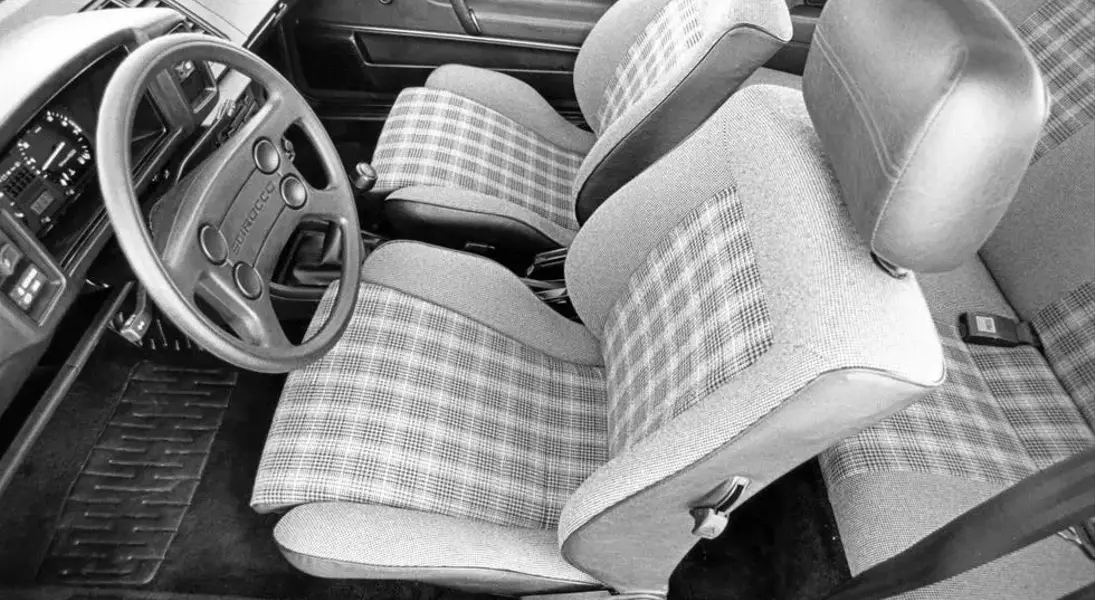
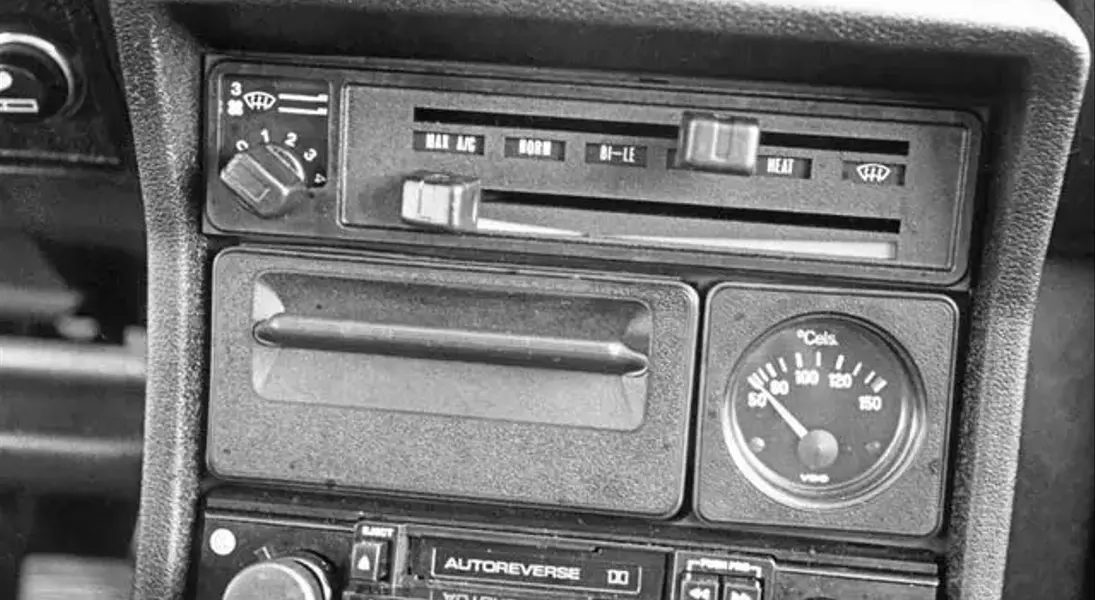
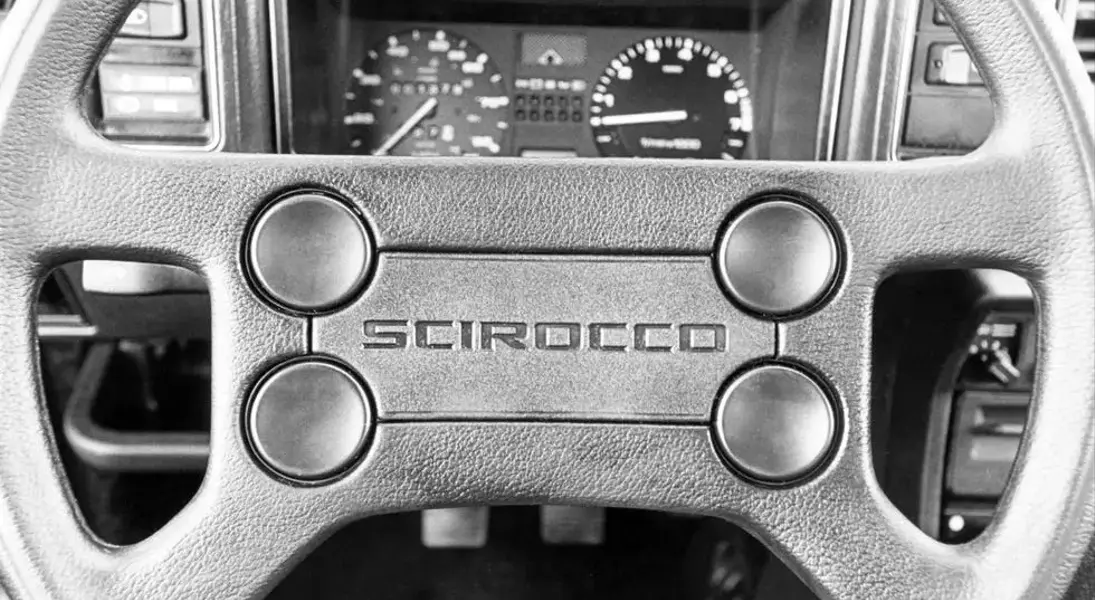
The interior of the new Scirocco also underwent a thorough overhaul, creating a redesigned cockpit experience. While retaining the comfortable, deeply contoured front bucket seats, the dashboard and door panels were updated with a more modern, sculptured aesthetic. The basic model emphasized functionality, providing essential controls for driving without an abundance of luxury features common in contemporary Japanese cars. Optional packages, such as the GL luxury trim, offered additional conveniences for those desiring them.
The Driving Sensation: A Familiar Yet Evolved Character
Despite the various modifications, the 1982 Scirocco maintained a distinctive driving feel, characterized by an eager engine response and precise control inputs. The vehicle's familiar character, however, showed subtle shifts, becoming more refined and insulated from road imperfections compared to the previous model. It offered a composed and competent ride, particularly noticeable on varied road surfaces. While some reviewers noted a slightly less crisp steering response and heavier effort, the overall impression was one of enhanced maturity without sacrificing its engaging nature.
Innovation for Efficiency: The 'E Light' Feature
A notable addition to the 1982 Scirocco was the innovative "E Light," a fuel-saving indicator designed to encourage more economical driving habits. This electronic device monitored throttle position and engine RPM, advising the driver when to shift into a higher gear for optimal fuel efficiency. Endorsed by the EPA, this system significantly contributed to the Scirocco's improved mileage ratings. The E Light functioned intelligently, only providing suggestions when beneficial for fuel economy, allowing drivers to override it for performance situations. This feature underscored the Scirocco's functional design philosophy, blending spirited driving with practical efficiency.
Critical Perspectives: Balancing Tradition and Progress
The redesign of the Scirocco prompted varied reactions among automotive journalists. While acknowledging the advancements in sophistication, comfort, and aerodynamic efficiency, some critics expressed a nostalgic preference for the raw, unadulterated fun of the original model. Concerns were raised regarding the exterior styling, with some feeling it lacked the unique flair of Giugiaro's initial design. There was also a sentiment that the car, while improved, could benefit from a more powerful engine option to fully exploit its robust chassis capabilities. Despite these points, the consensus remained that the 1982 Scirocco, with its blend of enhanced refinement and inherent driving pleasure, continued to appeal to a specific segment of car enthusiasts who appreciated its purposeful and engaging character.
