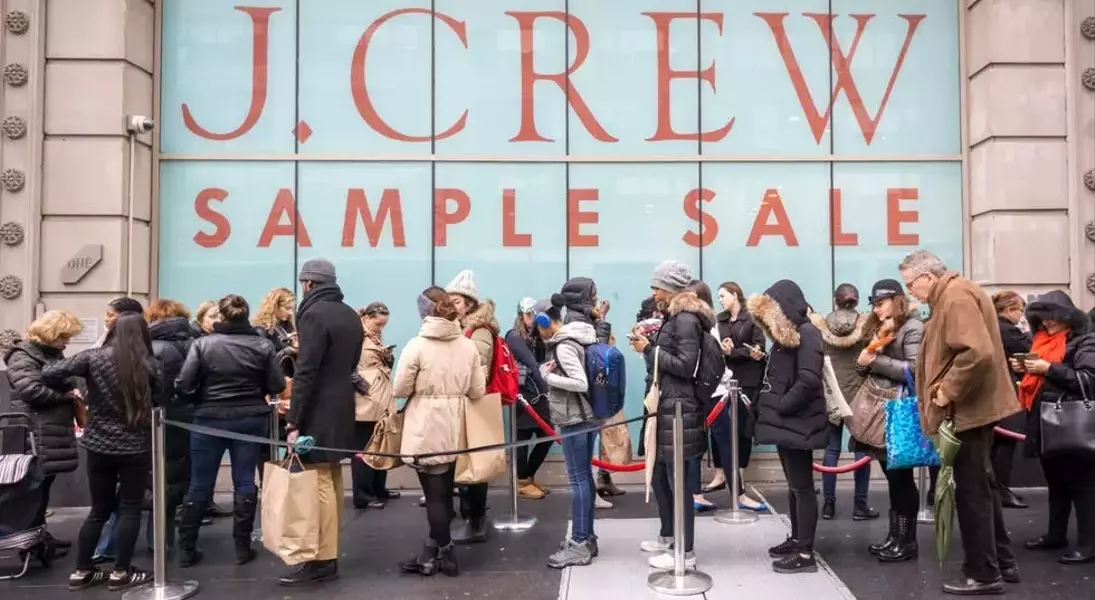

Once exclusive affairs for industry insiders, fashion sample sales have undergone a dramatic transformation, evolving from secretive gatherings into widely accessible online and in-person events. This shift, largely driven by the internet and social media, has fundamentally altered how consumers engage with discounted high-end fashion. What began as a discreet way for brands to liquidate prototypes and overstock has now become a public phenomenon, characterized by long queues, frenzied shopping, and extensive online documentation. This evolution reflects broader changes in retail, consumer culture, and the democratization of fashion, raising questions about exclusivity, sustainability, and the true meaning of a 'sample' sale in today's market.
The journey of sample sales from hidden treasures to mainstream events illustrates a significant change in the fashion retail landscape. Initially, these sales were an underground secret, accessible only to a select few with connections to the industry. The digital age, however, dismantled these barriers, ushering in an era where information about upcoming sales spread rapidly through blogs, online publications, and social media. This new accessibility transformed sample sales into highly anticipated events, drawing large crowds and creating a distinct consumer culture around discounted luxury goods. The focus gradually shifted from genuine samples to clearance merchandise, driven by consumer demand for aspirational brands at reduced prices.
The Rise of Mass Accessibility and Digital Influence in Sample Sales
In the 1970s and 80s, sample sales were exclusive events, largely hidden from the general public, where fashion insiders could acquire unique items. Access was limited, often requiring personal connections within the industry. However, by the 1990s, the landscape began to change, with publications like The New York Times shedding light on these once-secretive gatherings, indicating a burgeoning public interest. This marked the beginning of a gradual shift towards greater accessibility, moving away from the strict insider-only model. The early 2000s saw the internet accelerate this trend, as blogs and online fashion platforms started actively covering sales, providing dates, locations, and even live updates, effectively democratizing access to information that was previously guarded.
The advent of digital media fundamentally reshaped the sample sale experience. Online voices, such as early fashion blogs and specialized publications like Racked, played a crucial role in amplifying awareness and making these sales a widespread phenomenon. Reporters would often attend sales, sometimes uninvited, to provide real-time updates on inventory and pricing, much to the chagrin of some brands that preferred discretion. This media coverage transformed sample sales into public spectacles, with queues forming hours in advance and shoppers meticulously planning their visits. The increased transparency and public interest also led to a change in the nature of items sold; while originally featuring true one-off samples, many sales evolved to offer broader clearance inventory, catering to a larger consumer base eager for designer goods at discounted rates. This period also saw the rise of e-commerce platforms specializing in flash sales, further expanding the reach and commercialization of these events.
Evolving Consumer Culture and Brand Dynamics in Discounted Fashion
The transformation of sample sales also reflects significant shifts in consumer behavior and brand strategies. What was once a pragmatic solution for brands to offload excess inventory became a consumer-driven spectacle. The "sample sale brain" phenomenon describes how shoppers, having invested time in queuing, often feel compelled to purchase, sometimes acquiring items they don't truly need. This impulse, coupled with the desire for social bragging rights associated with securing a coveted deal, highlights a psychological aspect of discounted shopping. Brands, in turn, have adapted their approaches. While some high-end labels, like Prada and Sacai, have reverted to highly exclusive, invite-only sales for friends and family, many others have embraced the public model, often partnering with large-scale retail spaces and leveraging influencer marketing to promote their events. This has led to massive clearance sales, where the focus is less on unique samples and more on moving large volumes of discounted goods.
The contemporary sample sale scene is characterized by a blend of old and new dynamics. The widespread use of platforms like TikTok has given modern sample sales a new life, with content creators documenting their experiences, from waiting in line to showcasing their "hauls." This not only generates immense public interest but also shifts the focus from the clothing itself to the narrative and spectacle surrounding the purchase. While the original intent of liquidating true samples has largely diminished, replaced by clearance-level discounts, the underlying appeal of obtaining luxury items at a lower price remains strong. The current landscape sees a diverse range of approaches, from brands maintaining strict exclusivity to others fully embracing the power of social media and influencer collaborations to draw crowds. Ultimately, the evolution of sample sales mirrors broader changes in American shopping habits, where the thrill of the hunt, the desire for perceived value, and the allure of exclusivity continue to shape how consumers interact with the fashion industry.
