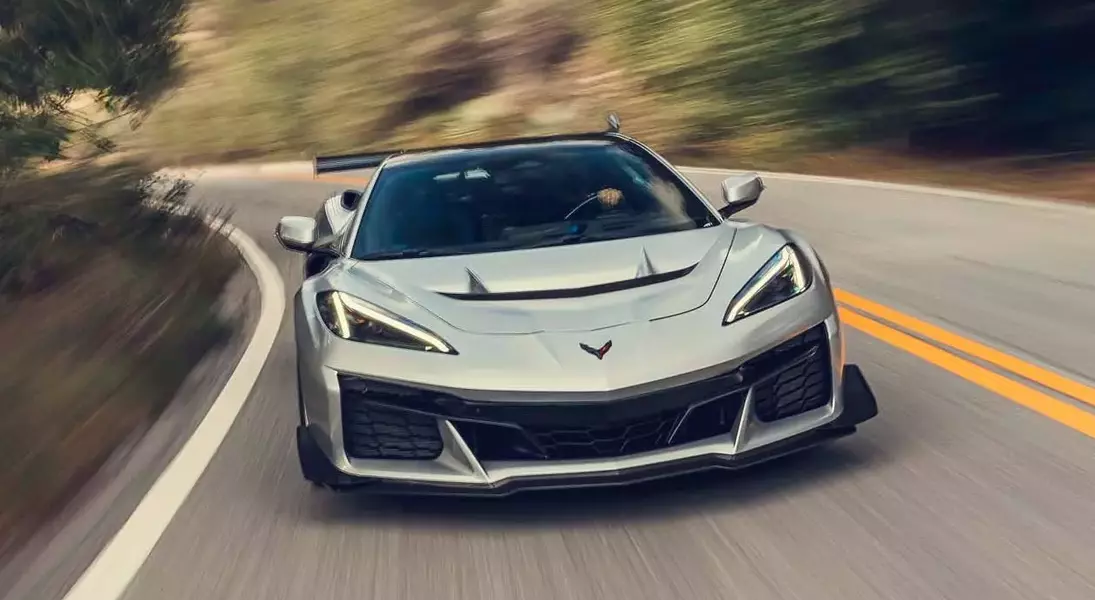
Since its debut in 1953, the Chevrolet Corvette has cemented its status as a symbol of American automotive excellence, akin to a quintessential country music ensemble. For over seven decades, the Corvette has consistently delivered thrilling performance at an accessible price point, distinguishing itself from its European rivals. This retrospective traces the remarkable journey of the Corvette's acceleration, presenting a curated selection of its most rapid 0-60 mph sprints from each generation, illustrating the profound advancements the marque has achieved over the years. These figures utilize our contemporary acceleration testing methodology, incorporating a 1-foot rollout for precise measurement.
From its initial iteration with a modest inline-six engine to the introduction of powerful V8s and sophisticated fuel injection systems, the Corvette's performance narrative is one of relentless pursuit of speed. Early models, while aesthetically pleasing, offered leisurely acceleration. However, with strategic engine upgrades and continuous engineering refinements, the Corvette quickly transformed into a formidable machine. The development path reveals how Chevrolet ingeniously navigated challenges like emissions regulations and the increasing demand for luxury, consistently pushing the boundaries of what a mainstream sports car could achieve.
Early Genesis: From Blue Flame Six to V8 Power
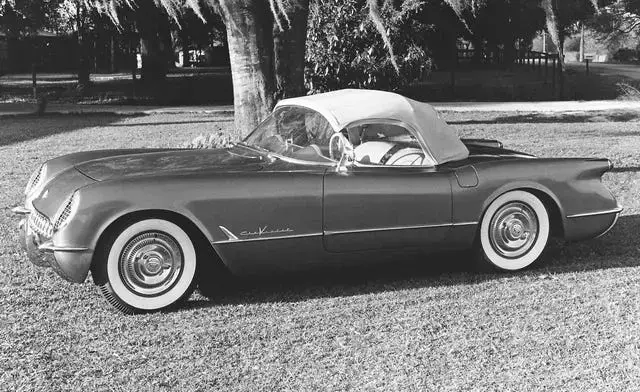
The first Chevrolet Corvette, launched in 1953, marked the beginning of a legend, albeit with a rather subdued performance profile. Equipped with a 150-horsepower "Blue Flame" inline-six engine paired with a two-speed Powerglide automatic transmission, its 0-60 mph time of 11.0 seconds reflected its nascent stage as a performance vehicle. While visually appealing, this initial model was more about style and establishing the Corvette's presence than outright speed. The subsequent 1954 model, largely unchanged except for a minor camshaft update boosting output to 155 horsepower, still maintained this unhurried character.
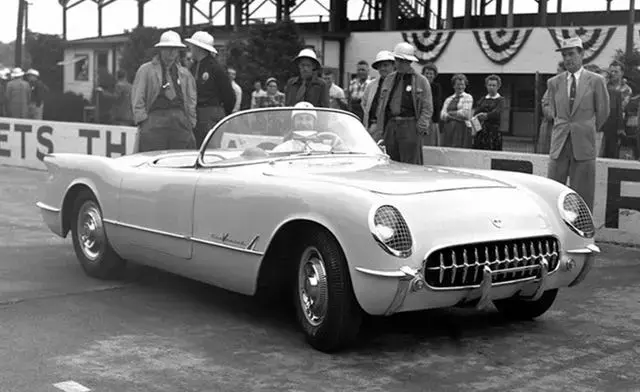
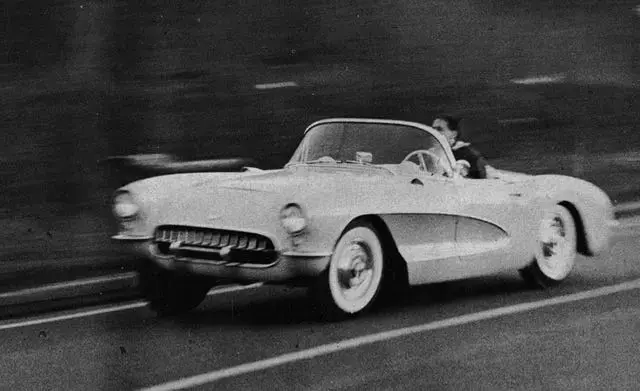
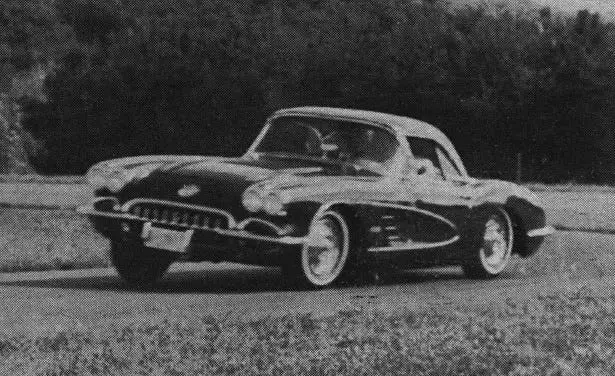
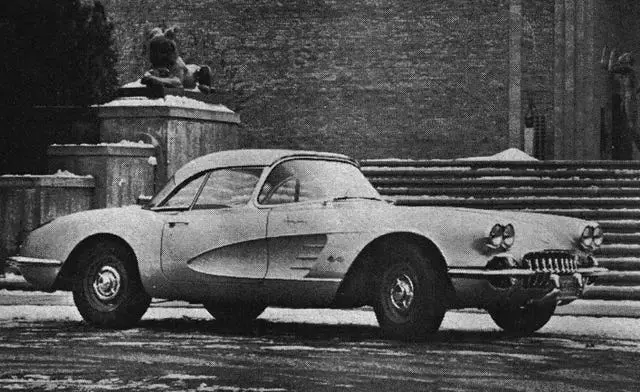
A significant turning point arrived in 1955 with the introduction of a 265-cubic-inch Turbo Fire V-8 engine, dramatically enhancing the Corvette's performance. This powerful new engine, producing 195 horsepower, slashed the 0-60 mph time to a more respectable 8.7 seconds, fundamentally altering the car's identity. By 1956, Chevrolet had entirely phased out the inline-six, focusing solely on the V-8. That year saw the arrival of the first Corvette test conducted by our publication, featuring a 225-horsepower Turbo Fire V-8 with twin four-barrel carburetors, achieving a 7.5-second sprint to 60 mph. The trend continued with the 1957 model, which benefited from the addition of fuel injection as an option. Our tests revealed the fuel-injected Corvette, boasting a 13-horsepower advantage, hit 60 mph in a rapid 6.6 seconds, showcasing Chevrolet's commitment to pushing performance boundaries. The 1958 model, despite a 250-horsepower fuel-injected engine, experienced a slight dip to 7.6 seconds, attributed to less effective test drivers. However, the 1959 Corvette, with a 290-horsepower engine and hotter camshaft, rebounded to 6.6 seconds, hindered only by its gearing choices, underscoring the continuous evolution of power and performance in these early generations.
The Golden Age and Modern Acceleration
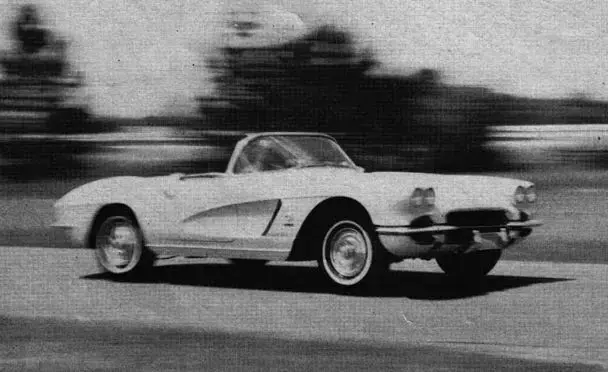
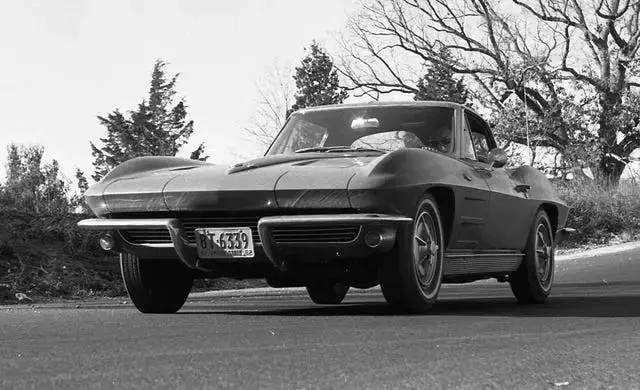
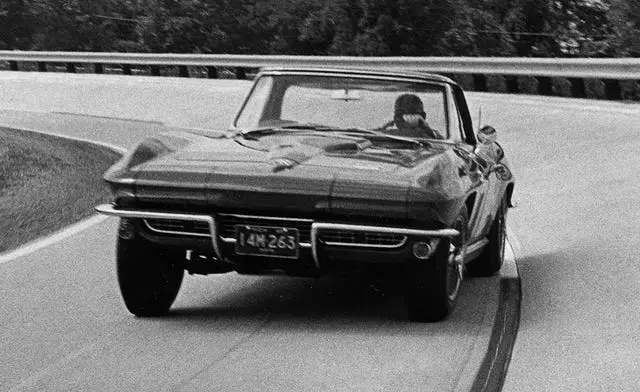
The 1960s ushered in a dynamic era for the Corvette, marked by significant performance advancements and the iconic Sting Ray design. While the 1962 model, despite a new 360-horsepower 327-cubic-inch V-8, recorded a 6.9-second 0-60 mph time due to evolving testing standards, it was still an impressive feat for its time. The second-generation Corvette, dubbed the Sting Ray in 1963, truly embodied a predatory spirit. Our tests with a 300-horsepower 327-cubic-inch V-8 model yielded a blistering 6.0-second sprint, establishing a new benchmark for speed. Even with higher-output options available, this model demonstrated the significant leap in performance. The 1965 Corvette, with a 350-horsepower 327-cubic-inch V-8, closely mirrored the '63's performance at 6.2 seconds.
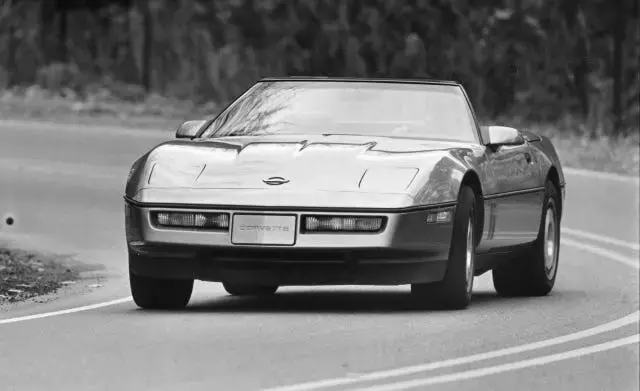
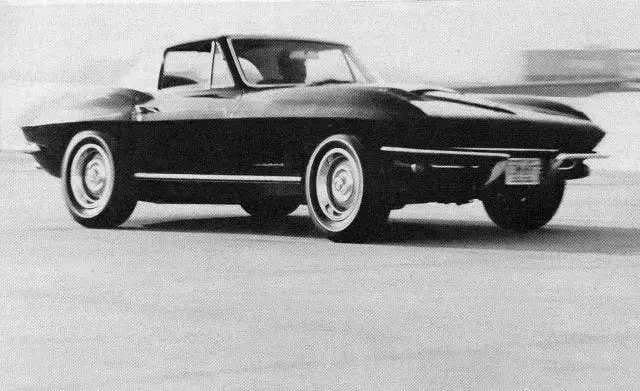
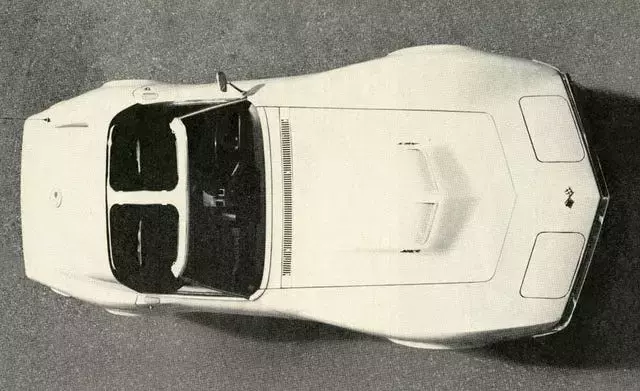
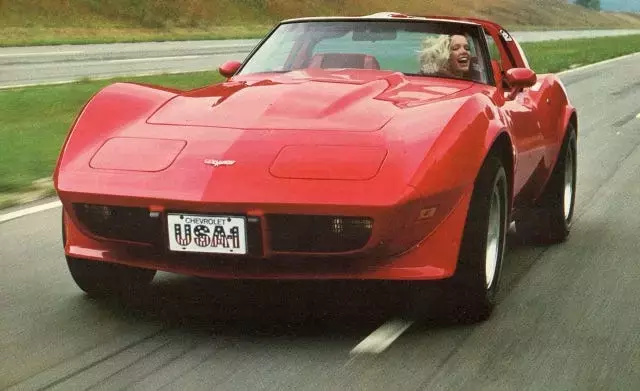
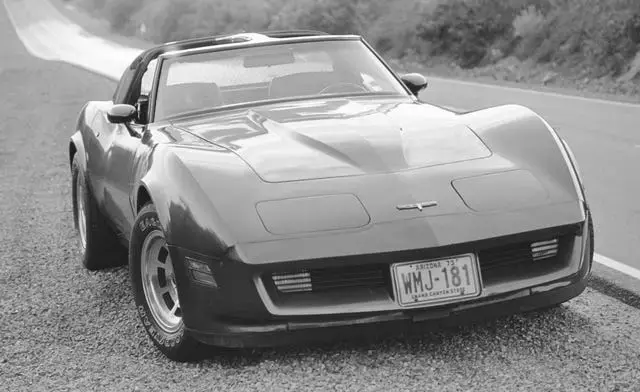
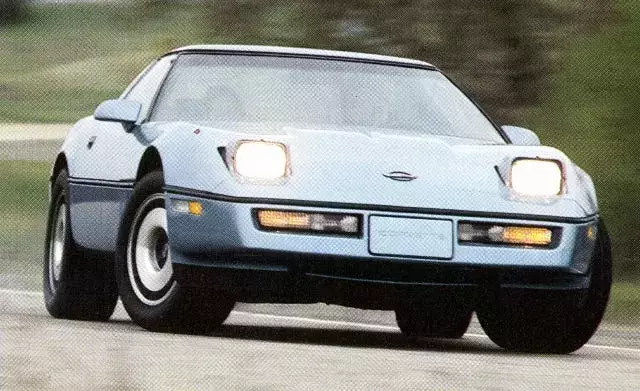
The mid-to-late 1960s saw the introduction of the legendary 427 V-8. The 1966 Corvette 427, despite maintaining the same 425 horsepower as its predecessor (the 396-cubic-inch V-8), improved to 5.4 seconds, thanks to engineering efforts to reduce weight by optimizing engine displacement. This philosophy culminated in the 1967 Chevrolet Corvette 427, which, with its 435-horsepower L89 engine option, achieved an astonishing 4.7 seconds, marking a golden age of raw power. However, the landscape shifted in 1968, as new emissions regulations and heavier chassis contributed to a slower 5.7-second time for the 400-horsepower 427 model. The 1970 and 1971 models saw a return to sub-5.5-second times, with the 1970 427 hitting 5.3 seconds and the 1971 454 (LS6) matching it, even as the sports car's godfather, Zora Arkus-Duntov, participated in the testing. The mid-1970s brought challenges with stringent emissions and safety regulations, leading to heavier vehicles and a transition from SAE gross to SAE net horsepower ratings, evident in the 1973 Corvette's 6.4 seconds and the 1978 model's 7.8 seconds with a 185-horsepower engine. Performance started to rebound by 1979 (6.6 seconds) and 1980 (7.6 seconds), laying the groundwork for the modern C4 generation in 1984, which, with a new chassis and body, achieved 6.7 seconds with a 205-horsepower engine. The 1986 convertible, boasting 25 additional horsepower from a new port fuel-injection system, matched the 6.0-second mark of the 1963 model, underscoring the enduring legacy of the Corvette's pursuit of speed across generations.
