American comic strips have significantly evolved in their portrayal of childhood, transitioning from the simplistic, light-hearted narratives of early 20th-century works like Ernie Bushmiller's "Nancy" to the more intricate and emotionally resonant depictions seen in Charles Schulz's iconic "Peanuts." While older strips often presented children's lives as straightforward and humorous, with minor frustrations serving as plot points rather than sources of deep emotional conflict, "Peanuts" broke new ground. Schulz's characters, though children, grappled with feelings of disappointment, misfortune, and even a degree of interpersonal unkindness, offering a more genuine reflection of youthful experiences than was typically found in contemporary comics. This pioneering approach by "Peanuts" laid the groundwork for later, more mature comic strips of the 1980s and '90s, such as "The Boondocks" and "Calvin and Hobbes," which further explored complex themes.
Despite its groundbreaking nature, Schulz generally avoided overly dramatic or 'special episode' narratives, preferring to keep the "Peanuts" gang's challenges within the realm of everyday, often academic, struggles. This tendency made the rare instances where the strip veered into more serious territory particularly impactful. For example, the deaths of characters in other prominent comics, like Andy Lippincott in "Doonesbury" or a raccoon cub in "Calvin and Hobbes," resonated deeply because the comic strip medium seldom touched upon themes of mortality or profound sadness. "Peanuts," however, notably explored such themes on at least two occasions: once through an unusual series involving Snoopy's siblings, and more significantly, in a prolonged narrative arc from 1979.
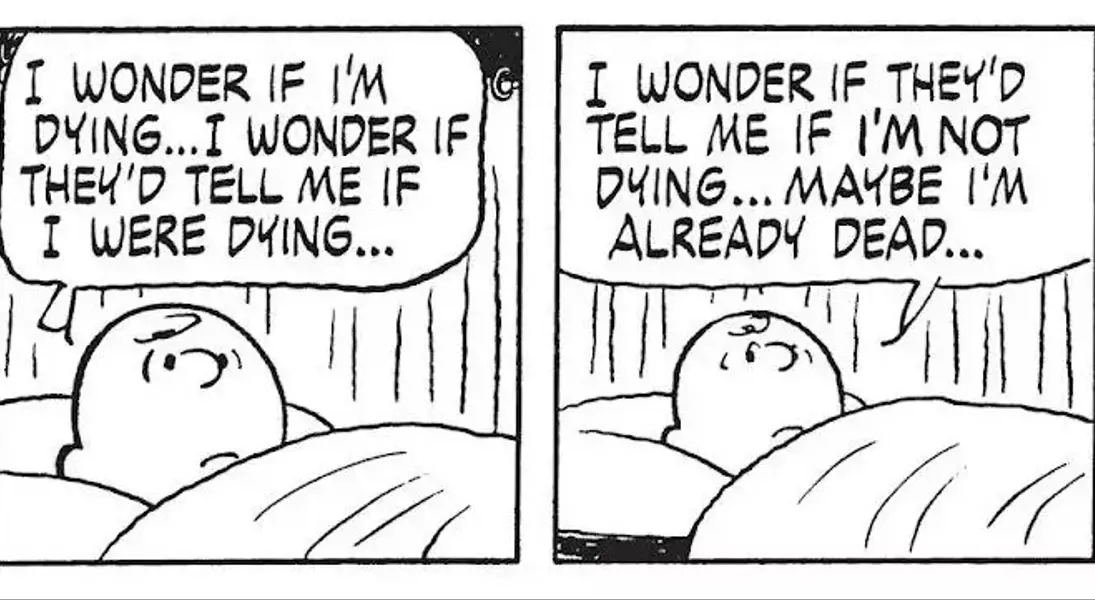
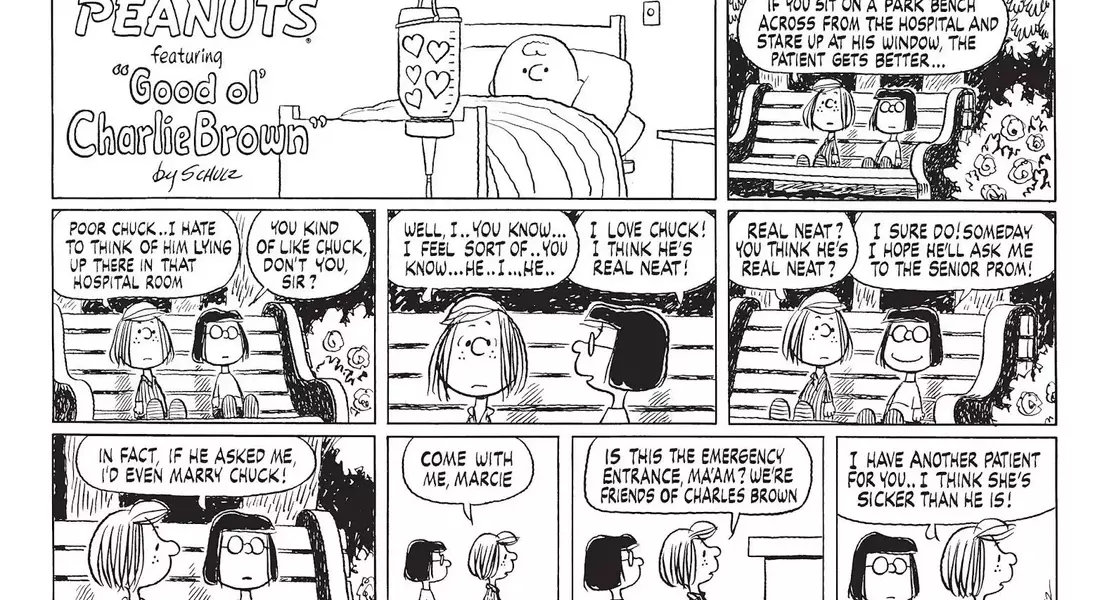
This particular 1979 storyline began on July 2, when Charlie Brown felt unwell during a baseball game and returned home. What followed was an uncharacteristically lengthy plot for "Peanuts," charting Charlie Brown's admission to the hospital. The exact nature of his illness was never disclosed, only that he felt a general 'wooiness,' which led to a month-long hospital stay until his full recovery on July 29. His return ushered in one of the memorable football gags the strip is known for. More importantly, Charlie Brown's hospitalization created significant ripple effects among his friends. Sally saw an opportunity to claim his room, while Snoopy remained largely oblivious to his owner's absence. Peppermint Patty and Marcie, however, rallied around him, offering their unwavering support.
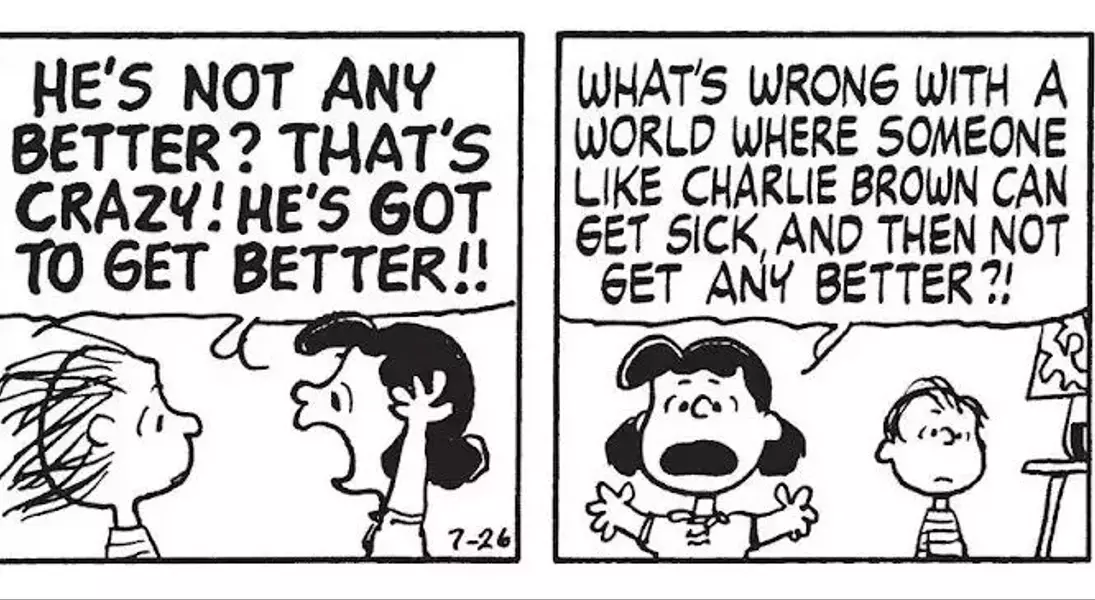
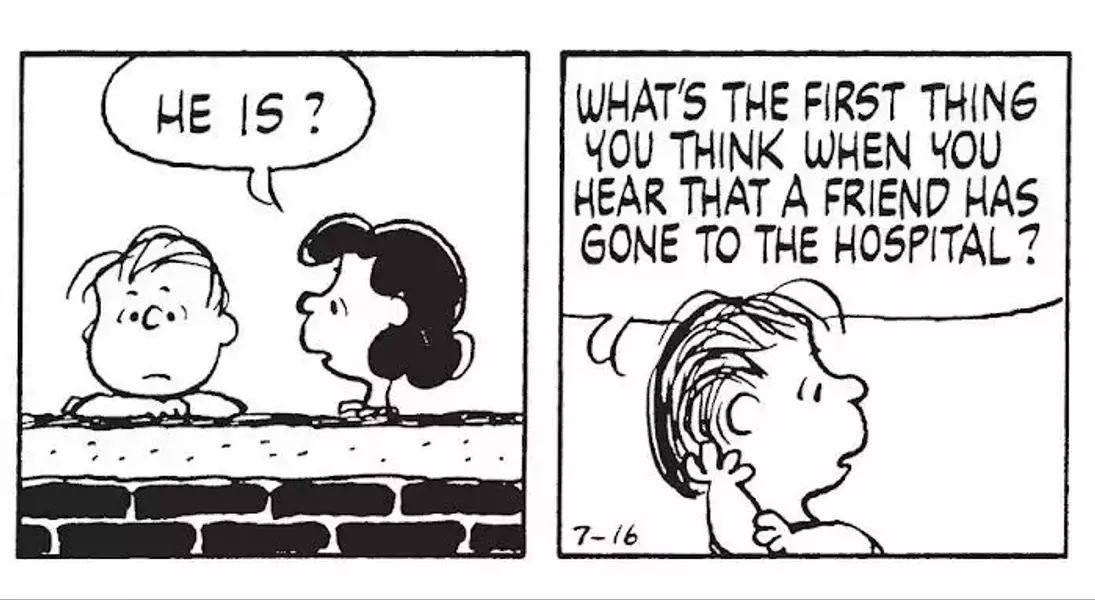
The character most unexpectedly affected by Charlie Brown's plight was Lucy. Typically known for her abrasive and critical interactions with Charlie Brown, Lucy was consumed by worry to the point where her usual routines of eating, sleeping, or even tormenting Schroeder were disrupted. Her concern escalated to genuine tears, which she famously wiped on Schroeder's piano. Her emotional peak occurred in the July 26, 1979, strip when Linus informed her that Charlie Brown's condition hadn't improved. Lucy's outburst—"He's not any better? That's crazy! He's got to get better! What's wrong with a world where someone like Charlie Brown can get sick, and then not get any better?! I need somebody to hit!"—was a raw, empathetic display, uncharacteristic for her. This led to her unprecedented promise to forgo her usual football gag for two days, a powerful moment that, despite its brief duration, highlighted a profound sense of human connection. The July 26 comic, devoid of a typical punchline, served as a poignant reflection on helplessness and concern, resonating with anyone who has experienced the anguish of waiting for a loved one's recovery. This unusual narrative arc, given Charles Schulz's known tendency to infuse personal experiences into "Peanuts," prompts speculation about whether he might have been dealing with a hospitalized family member in 1979, making this storyline a unique and deeply resonant exploration of mortality and empathy within the comic's history.
