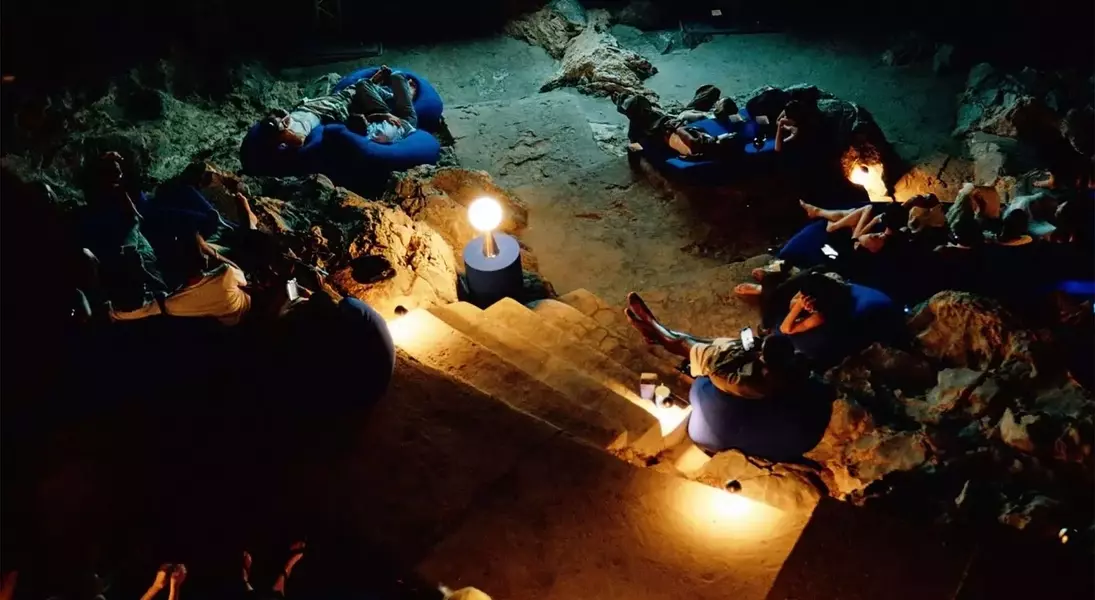

The era of lavish, oversized influencer excursions appears to be waning, giving way to a more refined and strategic approach. Brands are moving beyond mere broad exposure, instead focusing on cultivating genuine, impactful connections. This evolution prioritizes sustained brand advocacy, cultural resonance, and authentic audience engagement. The aim is to generate content that fosters deeper resonance and builds sincere relationships, often by crafting an atmosphere akin to a "friend trip" and seamlessly blending these experiences with broader customer interaction initiatives.
The Shifting Landscape of Influencer Engagements: A Detailed Look at Modern Brand Trips
In the contemporary marketing landscape, the traditional influencer journey has undergone a significant transformation. Once characterized by large-scale, meticulously orchestrated events, brands are now adopting a more nuanced and intimate strategy. This strategic pivot emphasizes qualitative engagement over quantitative reach, a change highlighted by industry experts. Emily Brown, associate director of strategy at Billion Dollar Boy, notes that the success of a brand-sponsored trip is increasingly measured by its capacity to foster enduring advocacy and maximize content efficiency. Brands are seeking narratives that extend beyond the immediate promotional window, aiming to drive sustained brand engagement that transcends the individual influencer's direct audience.
Max Stein, proprietor of Brigade Talent agency, underscores that the primary objectives have shifted towards capturing attention and building brand awareness. While sales remain a consideration, the emphasis has moved away from direct conversion metrics for these experiential marketing efforts. Instead, the focus is on constructing an immersive brand universe, inviting consumers to partake in experiences that are less about direct product promotion and more about authentic, experiential storytelling. This approach, Stein explains, cultivates a perception where the brand's presence feels organic rather than overtly commercial.
By 2026, the blueprint for these brand-hosted excursions has been thoroughly re-evaluated. Historically, every moment of an influencer trip was rigidly scheduled, replete with activities, dining, and abundant content opportunities, leaving little room for spontaneity. While content generation remains crucial, the most effective contemporary trips feature more flexible itineraries, empowering attendees with greater autonomy. This relaxed framework extends to how performance is assessed, with brands viewing these ventures as long-term investments designed to etch themselves into consumer memory, rather than merely reaching the widest possible audience. According to Brown, providing creators with more creative freedom, particularly those with an established affinity for the brand, often results in unexpectedly rich and authentic content.
This trend towards less structured, more organic brand experiences is further exemplified by various brands. Mango, for instance, hosted a group in Athens and Hydra, primarily measuring success through earned media value (EMV) – a metric that quantifies impact across social media, online platforms, and print. Stein confirms that media value is becoming a key indicator for evaluating influencer trips, with different analytical tools like Lefty and Launchmetrics providing varying but complementary insights. The objective, he stresses, is to generate widespread sharing, reposting, and engagement, ultimately boosting overall media value. Mango also leveraged social listening tools to gauge the qualitative impact of its trip, assessing audience resonance, sentiment surrounding the content, and its integration into broader cultural discussions. Santiago Lamer, Mango's brand communications director, states that the success of these events is determined not only by visibility but also by their ability to fortify brand affinity, inspire meaningful advocacy, and maintain Mango's relevance within the cultural conversation.
Some brands are even exploring alternative models for integrating influencer travel content. Swan Beauty, an AI smart mirror company, achieved significant online buzz by sponsoring Brigette Pheloung's bachelorette trip, rather than organizing its own dedicated event. Colby Mitchell, Swan Beauty's founder and CEO, explained that the decision was to become part of an existing narrative that people were already invested in. This unconventional approach proved highly successful, with Mitchell noting that audiences respond more positively to participation than to traditional promotion. They desire to see how products seamlessly integrate into real life, a factor crucial for building trust and fostering long-term brand loyalty. Swan Beauty meticulously tracked the "quality of engagement," focusing on the volume of organic content generated and how naturally Swan Beauty was incorporated into the narrative, alongside the ripple effect of increased brand searches post-trip.
A critical shift is also occurring in the curation of attendees. Instead of selecting individuals based solely on their alignment with the brand, businesses are prioritizing group dynamics and the potential for synergy among participants, often framing these as 'friend trips'. Claudia Plant, Net-a-Porter's chief brand and customer officer, who has orchestrated trips for brands like Khaite and Chloé, emphasizes carefully assembling groups that resemble a circle of friends rather than a mere guest list. Similarly, Mango's Lamer aims for a "gathering of friends" atmosphere. Gucci hosted multihyphenate creators Julia Sarr-Jamois, Tish Weinstock, and Julia Hobbs in Monaco, all of whom contribute to British Vogue. Marine Layer empowered creator Courtney Grow to curate her own guest list for a trip to Formentera, resulting in a cohesive group including influencers Jake Musser and Lilly Sisto, alongside Ghia founder Melanie Masarin. J.Crew's CMO Julia Collier echoes this sentiment, prioritizing the cultivation of friendships among attendees and carefully considering group dynamics while also ensuring a diverse audience reach. Lamer highlights that positive chemistry within the group leads to more authentic content and a stronger brand narrative. Even larger brands like Alo, with celebrity guests such as Kylie Jenner and Alix Earle on their yacht, cultivated a 'friends trip' ambiance by bringing together Earle, Jake Shane, and Stassie Karanikolaou. This focus on existing or potential friendships facilitates content cross-pollination, amplifying brand messages as participants share each other's content.
Moreover, brands are actively exploring ways to synchronize the customer experience with their influencer initiatives. While these two aspects were traditionally separate, the evolving talent mix and a deeper understanding of long-term impact are prompting brands to integrate non-influencers into the fold. This includes inviting high-spending customers to exclusive trips, as Net-a-Porter did with Khaite in Florence and Chloé in Taormina, Sicily, where their 'extremely important persons' (EIPs) joined influencers and actors. Claudia Plant states that their mission is to inspire women within their community who have a genuine connection to the brand and its collections. For brands unable to fly customers to European hotspots, alternative strategies include extending aspects of the experience to the broader customer base, such as Mango's open-air cinema in Hydra or Rhode's pop-up event in Rhode Island. Lamer emphasizes that Mango's goal is to foster a sense of inclusivity, making their wider community feel part of the brand's narrative. However, integrating customers is not without its risks, as evidenced by some negative feedback regarding perceived disparities in treatment between influencers and general customers at Rhode's pop-up event. Despite these challenges, experts generally agree that bringing customers into the brand's experiential world is a net positive, satisfying a clear consumer interest in these behind-the-scenes engagements.
The current shift in influencer marketing represents a fascinating evolution, moving from a focus on sheer numbers to a more nuanced appreciation of authentic connection and community building. This is not merely a tactical adjustment but a fundamental reevaluation of what constitutes value in the digital age. By fostering genuine interactions and integrating customers into the brand's narrative, companies are creating more resonant and sustainable relationships. This strategy not only maximizes long-term brand advocacy but also imbues marketing efforts with a human touch that often gets lost in the pursuit of viral content. The emphasis on 'friend trips' and curated experiences suggests a deeper understanding of human psychology, recognizing that people are drawn to authentic connections and shared experiences. For brands, this means investing in the quality of relationships and the depth of engagement, rather than just the breadth of reach. This approach could lead to a more ethical and impactful form of marketing, one that benefits both brands and their communities.
