
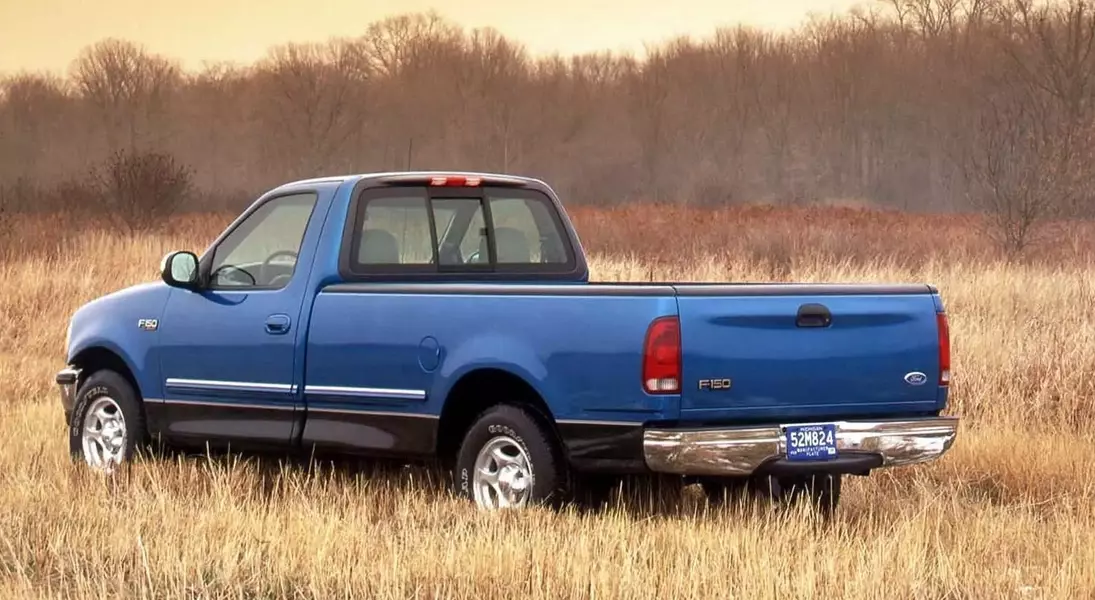
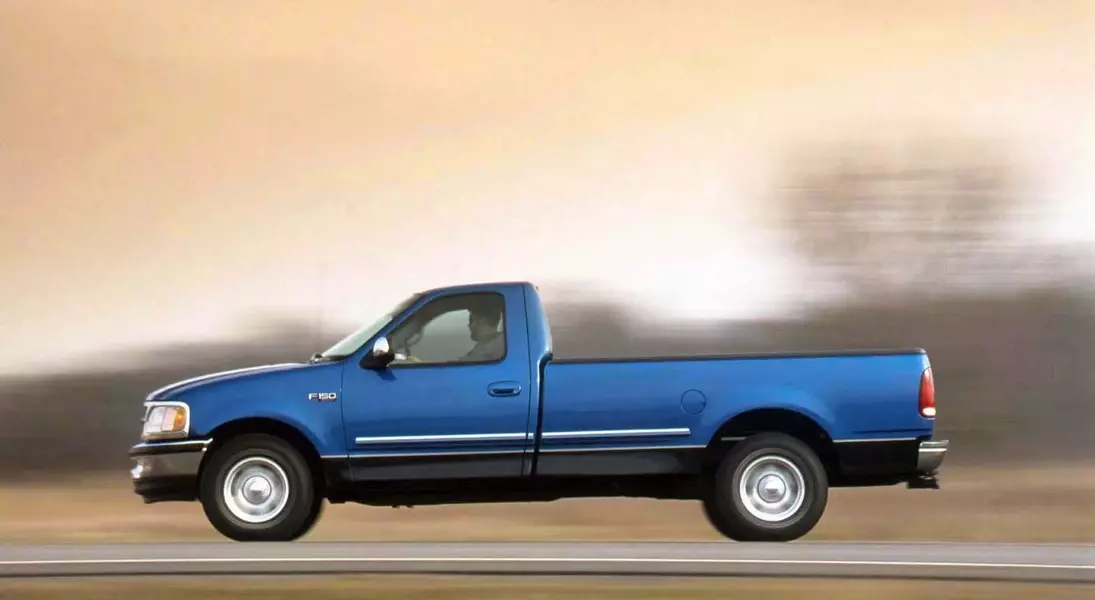
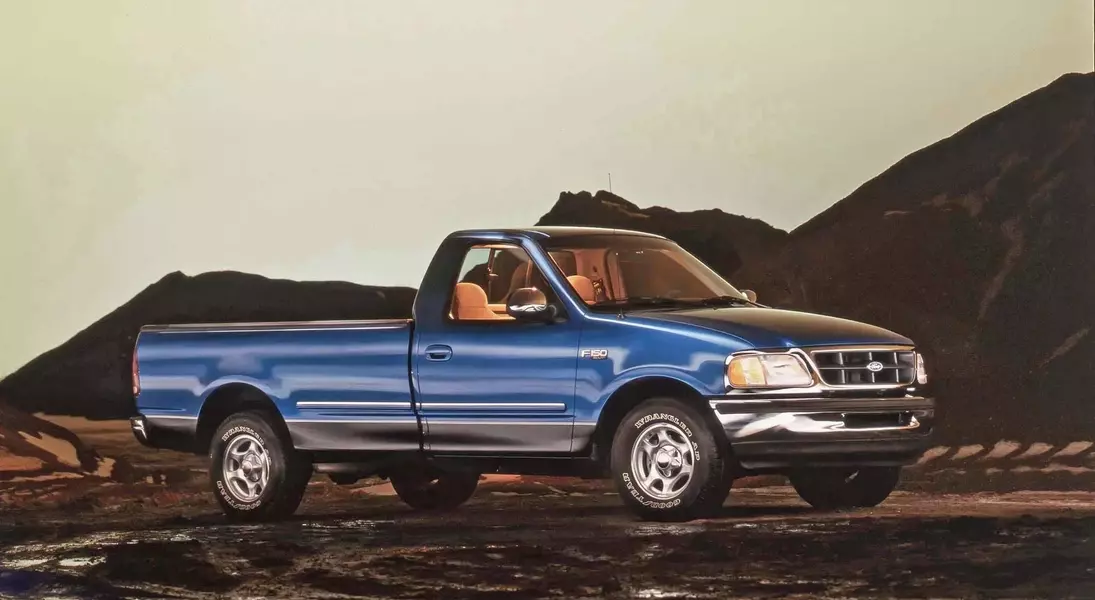
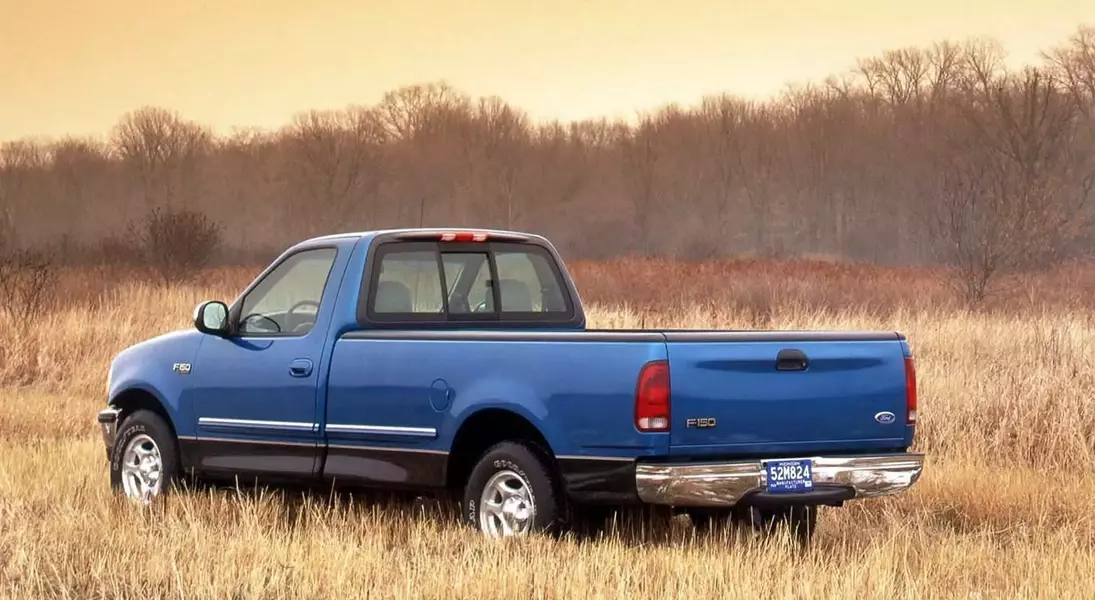
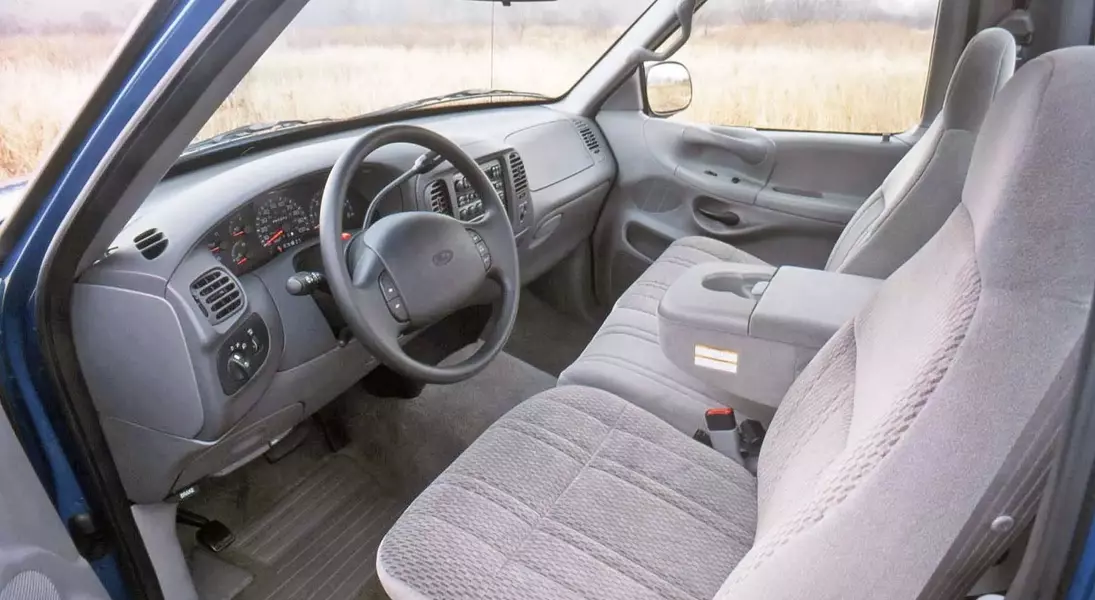


The 1997 Ford F-150 represented a pivotal shift in the automotive landscape, transforming the perception of pickup trucks from mere utility vehicles to adaptable machines capable of handling diverse roles. This revolutionary design aimed to redefine the segment, moving beyond the traditional image of a basic workhorse to introduce a new era of versatility and refinement. By blending robust functionality with enhanced comfort and innovative features, the F-150 sought to compete more directly with rivals and attract a wider audience. This strategic evolution positioned the truck as a multifaceted solution for both demanding professional tasks and everyday personal use, setting new standards for what consumers could expect from a pickup.
This re-imagined F-150 showcased Ford's commitment to innovation, addressing the evolving demands of consumers who desired a vehicle that could seamlessly transition between heavy-duty work and daily life. The design improvements extended beyond aesthetics, encompassing performance enhancements and technological integrations that elevated the driving experience. As a result, the 1997 F-150 not only solidified Ford's standing in the fiercely competitive truck market but also helped pave the way for future advancements in pickup truck design, influencing subsequent models and establishing a benchmark for balanced utility and comfort.
The Reimagined F-150: A New Era for Pickup Trucks
The 1997 Ford F-150 marked a significant departure from its predecessors, signaling a strategic evolution within the American pickup truck segment. Historically viewed as basic, rugged work vehicles, the F-150 underwent a comprehensive redesign that positioned it as a versatile, all-encompassing machine. This transformation aimed to address the shifting preferences of consumers who increasingly sought trucks capable of fulfilling both demanding professional obligations and serving as comfortable daily drivers. By embracing a more modern aesthetic and incorporating advanced features, Ford challenged established norms and set a new benchmark for utility and refinement in the industry. The emphasis was placed on creating a vehicle that could effortlessly transition between hauling heavy loads and providing a smooth, comfortable ride for families, thus broadening its appeal beyond traditional blue-collar workers.
This innovative approach was not merely cosmetic; it involved substantial engineering and design enhancements that fundamentally altered the truck's character. The F-150's redesign focused on improving ride quality, interior comfort, and overall usability, aspects often overlooked in earlier models. Its updated chassis, suspension, and powertrain options contributed to a more car-like driving experience without compromising its inherent strength and capability. This blend of practical utility with passenger-friendly attributes allowed the 1997 F-150 to carve out a unique niche, appealing to a diverse demographic ranging from contractors to suburban families. The success of this model proved that a pickup truck could indeed be a do-it-all wonder, effectively bridging the gap between a pure work vehicle and a comfortable personal transporter, and forever changing consumer expectations for the segment.
Enhanced Versatility and Market Impact
The 1997 Ford F-150's introduction ushered in an era of enhanced versatility, fundamentally changing consumer perceptions of pickup trucks. No longer confined to the image of a rudimentary workhorse, the F-150 emerged as a sophisticated, multi-purpose vehicle designed to meet a broader spectrum of needs. This strategic shift was a direct response to evolving market demands, where buyers desired a vehicle that could seamlessly transition from challenging job sites to comfortable family outings. Ford's meticulous attention to detail in redesigning the F-150 allowed it to effectively compete with and surpass rivals, particularly the Ram, by offering a compelling combination of robust performance, refined aesthetics, and superior comfort. This model demonstrated that a pickup truck could indeed offer both brawn and brains, solidifying its place as a leader in its class.
The profound market impact of the 1997 F-150 was evidenced by its strong sales and enduring influence on subsequent truck designs. Its innovative blend of utility and passenger-oriented features resonated deeply with consumers, who appreciated the ability to perform heavy-duty tasks during the week and enjoy leisurely drives on weekends. The F-150's success spurred other manufacturers to rethink their own pickup offerings, leading to a broader industry trend of integrating more car-like amenities and advanced technologies into trucks. This model not only reinforced Ford's dominance in the pickup segment but also played a crucial role in shaping the modern pickup truck landscape, setting a new standard for what a versatile and capable vehicle could be. Its legacy continues to inspire the development of trucks that prioritize both functionality and comfort for today's diverse array of users.
