The concept of beauty is far from static; it's a dynamic tapestry woven through time, constantly redefined by societal norms, artistic expressions, and even technological advancements. This exploration delves into how physical ideals evolve, influencing everything from contemporary cosmetic procedures to the nuanced portrayals required of actors in historical dramas.
Unveiling the Timeless Allure: How Eras Shape Our Perceptions of Beauty
The Contemporary Canvas: Buccal Fat and the Modern Silhouette
In today's fast-paced world, certain facial features are celebrated, while others fade into obscurity. The removal of buccal fat, a procedure gaining traction among younger generations, exemplifies a desire for a more sculpted and angular facial structure. This trend directly contrasts with earlier beauty standards, showcasing a clear shift in what is considered desirable. Cosmetic experts note this emphasis on a 'modern face,' characterized by defined cheekbones, a departure from fuller, softer contours.
Echoes of the Past: Vintage Charm and Enduring Aesthetics
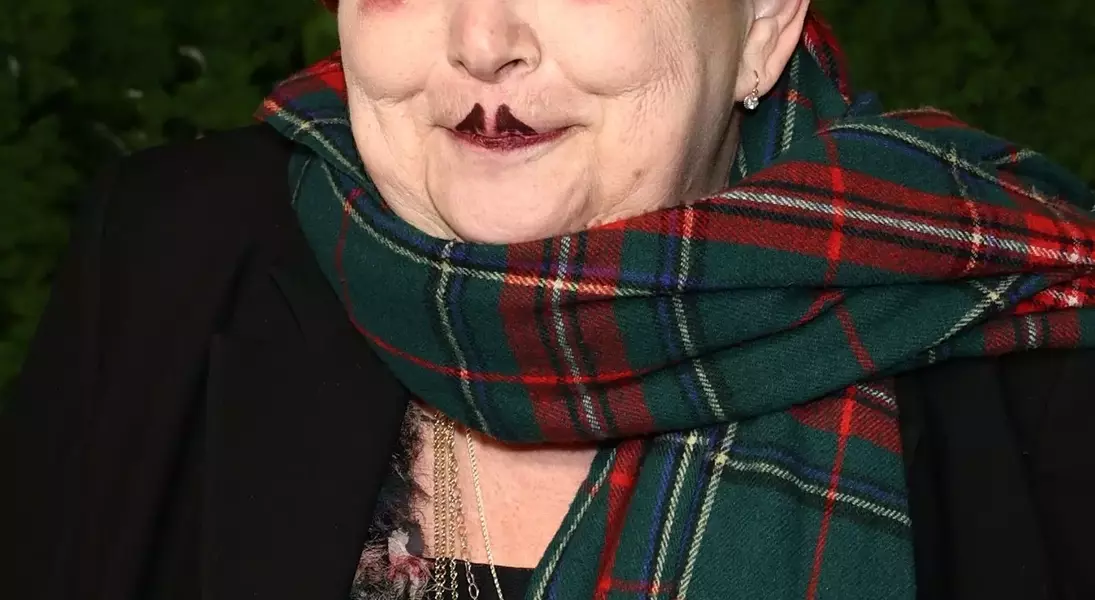
Some individuals possess an inherent charm that transcends contemporary trends, their appearance seemingly plucked from a bygone era. Whether it's a retro hairstyle or a fondness for vintage attire, these elements create a unique aesthetic that challenges current beauty norms. This timeless appeal suggests that while trends come and go, certain classic looks retain their allure, often drawing comparisons to iconic figures from history.
The Theatrical Transformation: Actors Navigating Historical Appearances
For performers tasked with embodying characters from different historical periods, aligning their appearance with the era is crucial. This often involves more than just costumes and makeup; it can require significant adjustments to their natural features. From foregoing modern cosmetic enhancements like Botox to meticulously altering eyebrow shapes, actors strive for authenticity. Casting directors emphasize the importance of a natural, period-appropriate look, highlighting how even subtle cosmetic procedures can disrupt the illusion of historical accuracy.
Artistic Interpretations: Historical Portraits and the Original 'Filters'
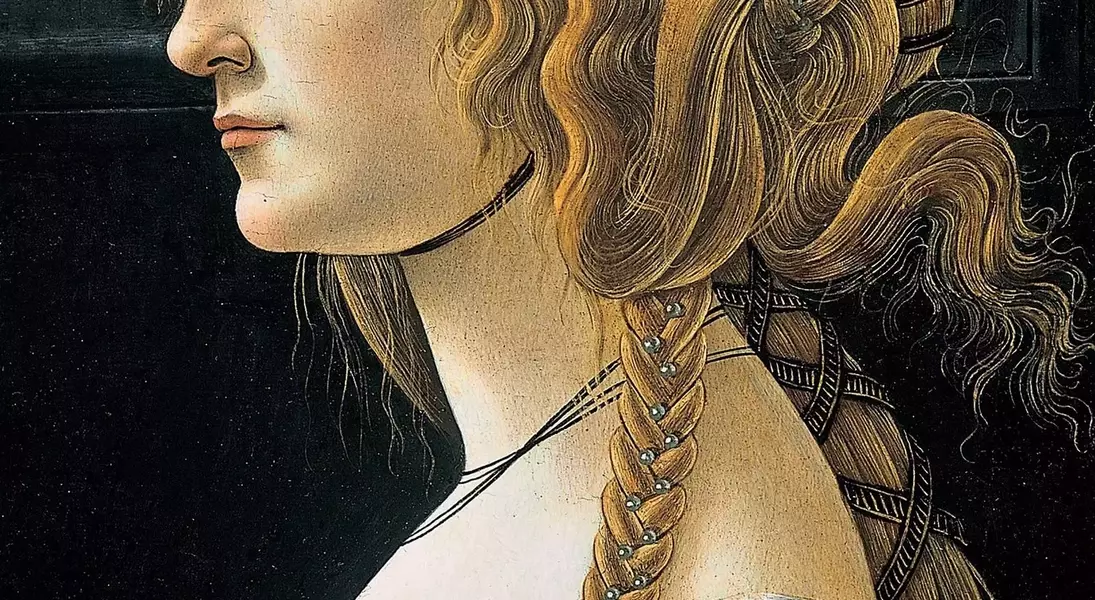
Throughout history, artists have played a significant role in shaping and reflecting beauty ideals. Examining classic portraiture reveals how painters, much like modern-day photo editors, subtly enhanced their subjects to present them in the most flattering light. Features such as high foreheads in 15th-century women or delicate noses in neoclassical princesses were often exaggerated to conform to the prevailing beauty standards of their time. These artistic liberties serve as a historical parallel to contemporary filters, demonstrating a persistent human desire to idealize appearance.
The Paradox of Performance: Youthful Demands and Emotional Depth
Actors, particularly women, face a unique dilemma in an industry that simultaneously demands eternal youth and profound emotional expression. The pressure to maintain a youthful appearance, amplified by high-definition media and social platforms, often conflicts with the need to convey a full range of human emotions. Authenticity in performance requires visible reactions and expressions, which can be at odds with the pursuit of an unchanging, ageless facade. This tension underscores the complex demands placed on performers in the modern entertainment landscape.
