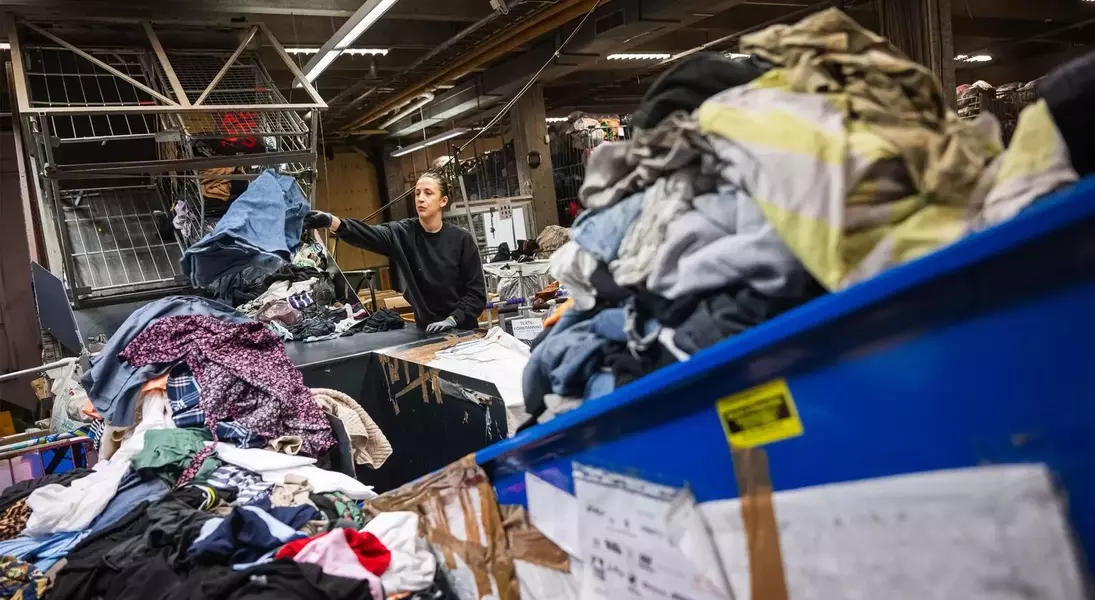


Europe's recent prohibition on the disposal of unsold apparel, textiles, and footwear marks a significant shift in the fashion industry. This regulation, part of the broader Ecodesign for Sustainable Products Regulation (ESPR), mandates brands to find alternative solutions for excess inventory rather than resorting to incineration or landfill. The directive, which took effect a month ago, is pushing companies to re-evaluate their supply chain management, data collection, and strategies for handling surplus products. While brands have been anticipating these changes, the practical aspects of implementation, compliance, and the scope of exemptions remain a subject of ongoing discussion among industry experts.
The ban aims to foster a circular economy in Europe and encourage brands to reduce overproduction. However, some critics argue that the current exemptions, which allow for destruction under certain circumstances like irreparable damage or IP infringement, might create loopholes, potentially undermining the regulation's primary goal. The debate also extends to the role of textile recycling, which, under the current rules, is considered a form of destruction if applied to usable pre-consumer stock. This poses a challenge for recycling companies and raises questions about incentivizing true circularity versus simply managing waste. Despite these complexities, many view the regulation as a powerful catalyst for innovation and collaboration within the fashion sector, driving a much-needed transition towards more sustainable practices.
Navigating the New Regulatory Landscape and Brand Adaptations
The recent European ban on destroying unsold fashion items has compelled brands to reassess their operational strategies and embrace circular solutions. This regulation, a key component of the Ecodesign for Sustainable Products Regulation (ESPR), demands greater transparency and accountability from companies regarding their unsold inventory. In response, many brands, some having anticipated these changes for years, are now actively developing and implementing diverse circularity initiatives. This includes establishing new partnerships for product recovery, exploring advanced recycling technologies, and diversifying their channels for managing surplus goods. The transition involves a significant effort in collecting and organizing fragmented supply chain data, as well as refining internal processes to comply with the new reporting frameworks set to be fully enforced by 2027.
Brands like LVMH have proactively engaged in this shift, with initiatives such as the CEDRE venture, which expanded in 2023 to include fashion products, and collaborations with textile recycling startups. Similarly, major e-commerce retailers like Zalando are employing a multi-faceted approach, utilizing outlet stores, wholesale partnerships, and clothing donations. Even fast-fashion giants like H&M have shown a marked reduction in their inventory-to-sales ratio, demonstrating a long-term commitment to minimizing unsold stock. These efforts reflect a broader industry trend towards more sustainable inventory management, driven not only by regulatory pressure but also by a growing awareness of environmental impact. However, the complexity of integrating these circular solutions across vast supply chains presents significant logistical and financial challenges, requiring extensive collaboration among various stakeholders.
The Dilemma of Exemptions, Recycling, and Overproduction
Despite the introduction of the ban, several exemptions exist, allowing for the destruction of goods under specific conditions, such as irreparable damage, safety concerns, intellectual property infringement, or rejection by charitable organizations. While these derogations acknowledge the complex realities of the apparel sector, they have sparked debate among environmental groups and industry experts. Critics argue that these exemptions could potentially create loopholes, enabling brands to continue practices that do not address the core issue of overproduction. The stringent paperwork required to claim these exemptions is intended to deter their misuse, yet concerns remain about how authorities will interpret and enforce these rules in practice.
A particularly contentious point revolves around textile recycling. Currently, recycling usable unsold stock is categorized as destruction and is prohibited unless specific exemptions apply. This provision has drawn criticism from recycling companies that rely on such feedstock to scale their operations. While regulators aim to prevent recycling from becoming a convenient workaround for excessive inventory, some argue it hinders the development of a robust recycling infrastructure. Industry stakeholders emphasize the importance of the 'waste hierarchy,' advocating for resale and reuse as primary solutions, with recycling reserved as a last resort. This perspective suggests that focusing solely on end-of-life solutions without addressing the initial overproduction of goods may not lead to genuine systemic change, merely perpetuating a cycle of excessive consumption and waste. The long-term success of the ban hinges on effective enforcement, adequate resource allocation for compliance, and a collective industry commitment to tackling overproduction at its source.
