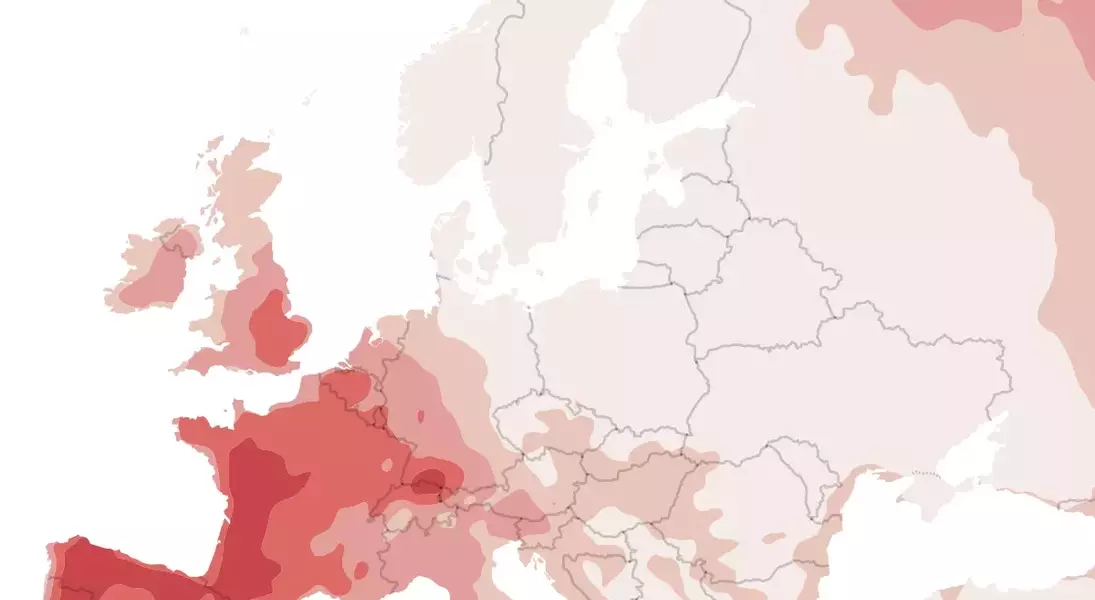
Europe is facing its third heatwave since May, a severe weather phenomenon that is disrupting daily life, contributing to a rise in fatalities, and increasing the risk of widespread wildfires. This intense heat, influenced by a persistent heat dome, has pushed temperatures up to 10 degrees Celsius (18 degrees Fahrenheit) above average in parts of Western Europe, encompassing Spain, Portugal, France, and Britain.
The situation in France is particularly critical, with a large wildfire in the Pyrenees mountain range, near the Spanish border, consuming over 11,000 acres. This inferno has necessitated the evacuation of more than 10,000 people from nearly 30 villages and towns. Concurrently, parts of Spain's Mediterranean coast have also been ravaged by fires over the weekend, leading to the displacement of approximately 500 individuals. While current temperatures may not reach the unprecedented extremes seen in June's heatwave—a period notably exacerbated by human-induced climate change—weather forecasters are warning of an unparalleled wildfire danger across several countries, prompting extensive high-level alerts.
The fire in the French Pyrenees has expanded dramatically since Sunday evening, with over 2,000 firefighters and several firefighting aircraft actively engaged in containment efforts. According to the European Forest Fire Information System, a vast area of Western and Central Europe, particularly France, Spain, Portugal, the Alps region, and the southern British Isles, is experiencing extremely hazardous fire weather conditions. This ongoing environmental challenge underscores the urgent need for robust climate action and adaptation strategies to safeguard communities and ecosystems from the increasing frequency and intensity of extreme weather events.
As Europe battles these relentless heatwaves and their destructive consequences, it serves as a powerful reminder of the profound impact of climate change on our planet. Addressing this global crisis requires collective action, innovative solutions, and a commitment to sustainable practices. By working together, we can strive to mitigate the effects of climate change and build a more resilient future for all.
