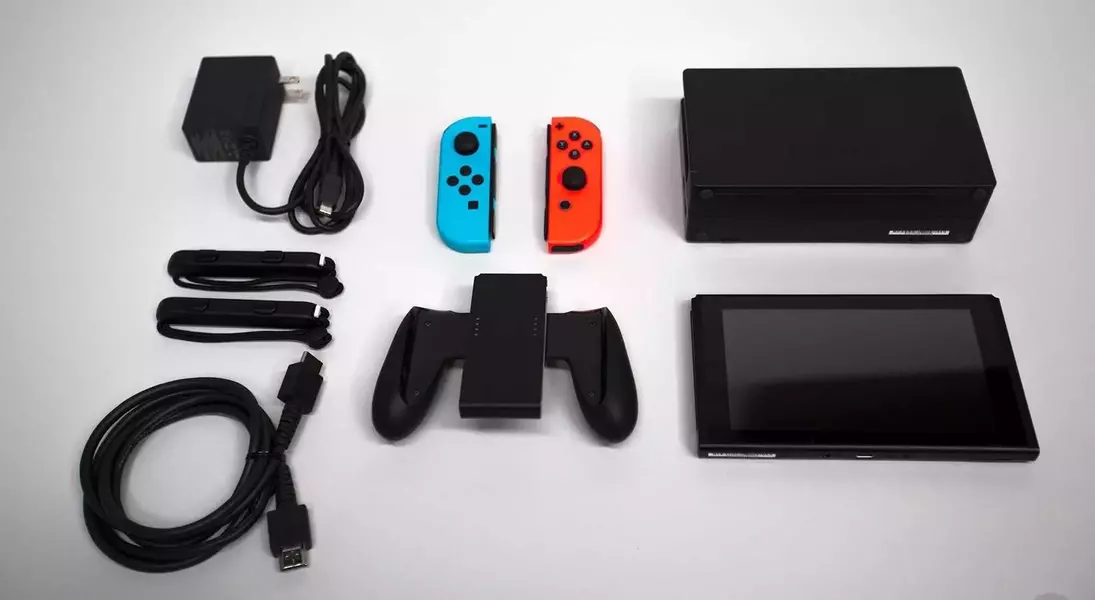
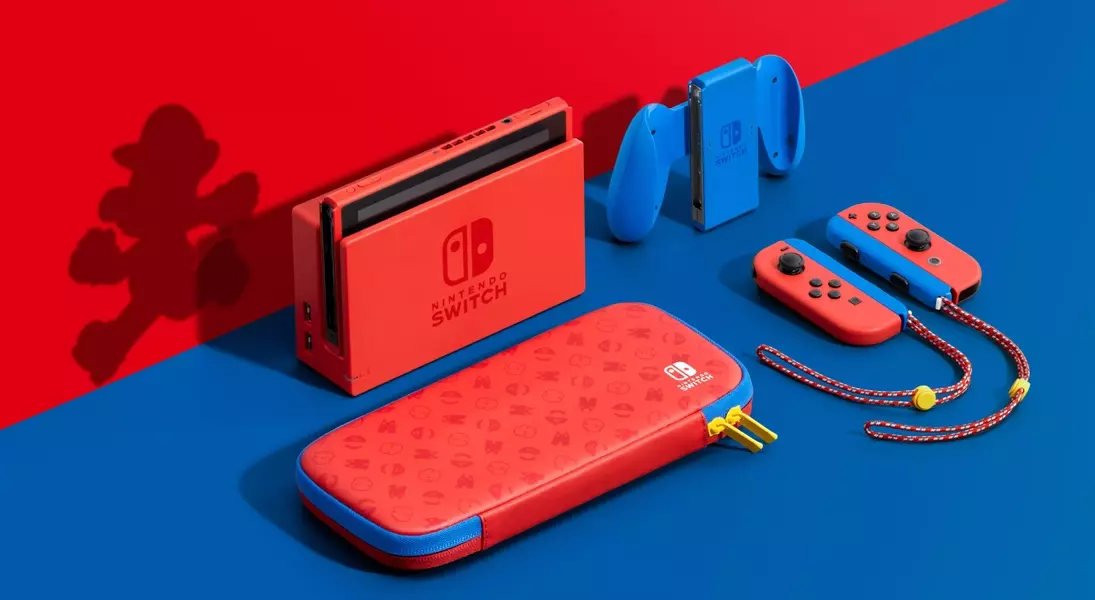
New regulations enacted by the European Union, focusing on the 'right to repair' electronic devices, are set to significantly alter the landscape for Nintendo's console production within the European market. By February 2027, the original Nintendo Switch, Switch Lite, and Switch OLED models will cease production in Europe. This decision stems from a legislative requirement that demands electronic hardware, including gaming consoles, feature easily removable and replaceable batteries. While this initiative aims to bolster sustainability and consumer autonomy, it simultaneously raises questions about the future accessibility of affordable gaming options in the region, particularly as next-generation console prices continue to climb.
The EU's 'right to repair' legislation represents a concerted effort to combat planned obsolescence in electronics. By compelling manufacturers to design products with easily serviceable components, the regulations seek to extend device lifespans, reduce electronic waste, and empower consumers to perform repairs rather than being forced into costly upgrades. Nintendo's response involves introducing a revised Switch 2 model specifically for Europe, which will incorporate a replaceable battery, alongside updated peripherals like the Switch 2 Pro controller and Joy-Con controllers. However, the company has opted against retrofitting the existing Switch models, citing their approaching end-of-life cycle and the prohibitive costs associated with such modifications.
This legislative push aligns with previous successful EU initiatives, such as the mandate for a universal USB-C charging standard across various devices. Such measures have significantly enhanced consumer convenience and minimized electronic waste by eliminating the need for a multitude of proprietary chargers. In the context of gaming consoles, the ability to easily replace batteries addresses a common pain point for consumers and a tactic often employed by manufacturers to encourage device upgrades prematurely. The environmental benefits are substantial, promoting a culture of maintenance over rapid replacement.
However, the timing of this shift presents a complex challenge. The global memory shortage crisis is already driving up the cost of gaming consoles, with the upcoming Switch 2 projected to retail at around $500. While competitive with some rivals, this price point is considerably higher than the current entry-level Switch Lite, which starts at $200. This disparity could create a significant barrier to entry for new players, including younger audiences, individuals from lower-income backgrounds, and those in developing economies, who rely on more affordable hardware to access the world of video games. The absence of budget-friendly, new Switch models in Europe after 2027 could inadvertently stifle gaming's reach and inclusivity in the market.
Ultimately, while the EU's legislative actions are commendable in their intent to foster greater sustainability and consumer rights, their immediate impact on the European gaming market warrants careful consideration. The discontinuation of the original Switch models, coupled with the anticipated higher price tag of its successor, could inadvertently limit access to gaming for a considerable segment of the population, making the hobby less accessible than it once was.
