The European Union has unveiled a progressive initiative to accelerate the adoption and production of compact electric vehicles. By introducing a distinct "M1E" classification for smaller battery-powered cars and implementing a "super credit" system, the EU seeks to encourage manufacturers to invest in the development and local assembly of these eco-friendly automobiles. This strategy aims to make electric mobility more accessible and affordable for European consumers, fostering a robust domestic EV industry while aligning with broader environmental objectives, even amidst a softened stance on the 2035 ban on internal combustion engines.
To qualify for the newly established M1E classification, electric vehicles must adhere to specific criteria, most notably having a maximum length of 4.2 meters (approximately 165.3 inches). Crucially, these vehicles must be entirely electric and manufactured within any of the 27 member states of the European Union. This requirement is a strategic move to bolster local economies and employment within the bloc's automotive sector. The "super credit" scheme offers a substantial incentive: each M1E-certified vehicle will contribute 1.3 units towards an automaker's CO2 compliance targets, rather than the standard one unit, effectively granting a 30 percent advantage.
The EU's "Automotive Package" not only defines these technical specifications but also aims to provide long-term stability for manufacturers. By freezing the regulatory requirements for the M1E category for a decade, the European Commission intends to give carmakers the confidence and predictability needed for extensive research, development, and production planning. This stability is expected to stimulate significant investment in the segment, leading to a wider array of affordable small electric vehicles on the market. Furthermore, the initiative anticipates indirect positive effects on the affordability of these vehicles, making them more attractive to a broader consumer base.
The creation of the M1E category is also designed to streamline the process for individual EU member states to introduce further incentives. This could include a range of benefits such as subsidies, tax reductions, and discounted charging rates for M1E vehicle owners. Consumers might also enjoy perks like exemptions from road tolls and preferential access to designated lanes or parking spaces, further enhancing the appeal of small electric cars.
While some stakeholders have expressed reservations about the EU's decision to relax the absolute ban on new combustion engine vehicles by 2035, the introduction of the M1E category has been largely met with approval across the automotive industry. Proponents argue that the future of electric mobility hinges on the availability of compact and economical models, rather than predominantly large and heavy vehicles. By mandating local production within the EU, the policy also aims to protect and create jobs, while mitigating competitive pressures from external markets.
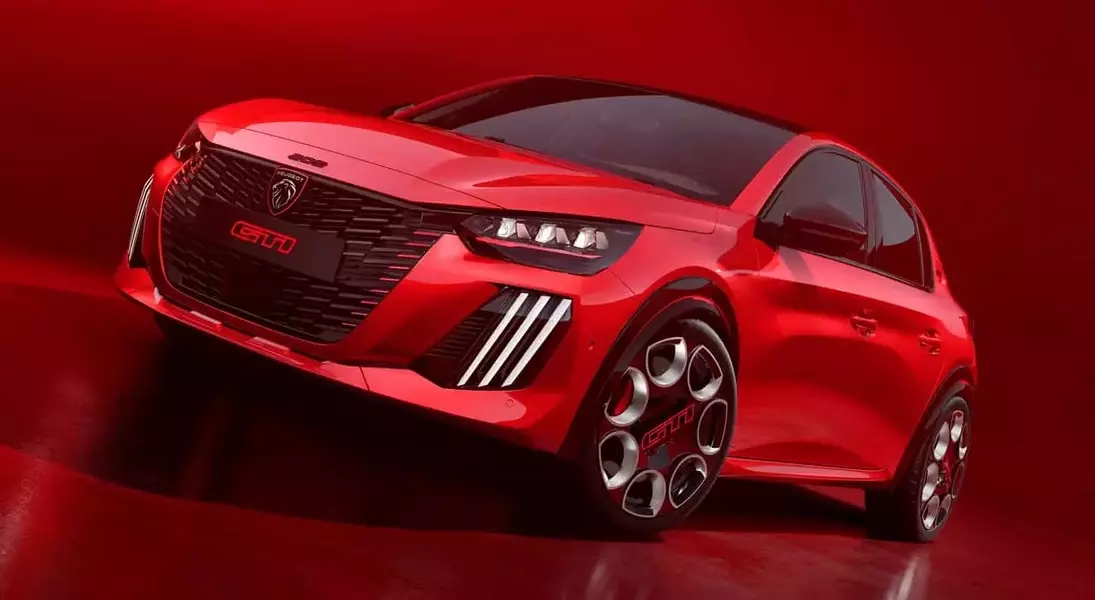
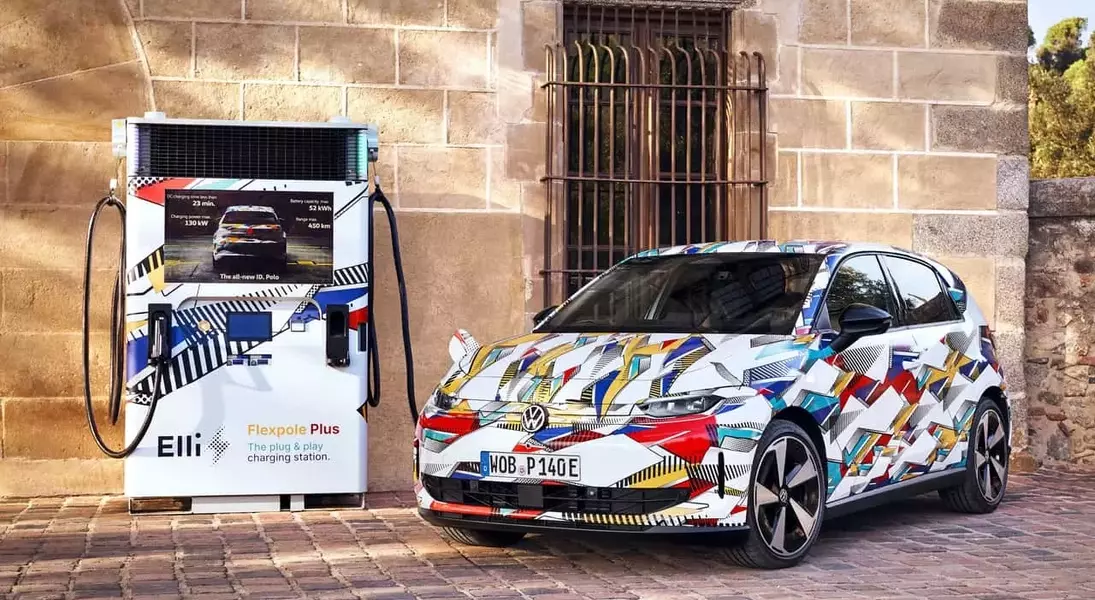
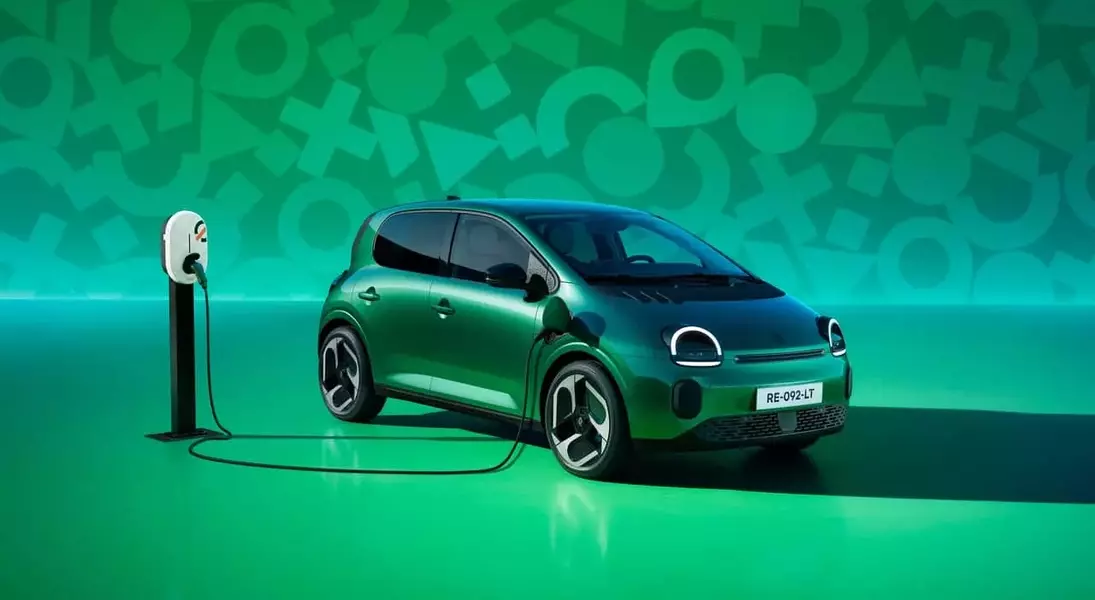
Several existing and forthcoming models already align with the M1E criteria, demonstrating the feasibility and immediate impact of the new regulations. Examples include the Renault Twingo, 4, and 5, as well as the Volkswagen Group's ID. Polo, Skoda Epiq, and Cupra Raval. Stellantis also has multiple qualifying vehicles such as the Citroën e-C3, Opel Corsa Electric, and Fiat 500e, alongside the Peugeot E-208. However, vehicles like the Hyundai Inster and certain Mini Cooper and Aceman models, which are manufactured outside the EU, would not be eligible for the M1E classification, underscoring the policy's emphasis on domestic production.
Beyond promoting electric vehicle adoption, the M1E category indirectly supports the continued presence of combustion engine vehicles in the market. By accumulating super credits through M1E vehicle sales, automakers can more readily compensate for the CO2 emissions generated by their traditional internal combustion engine (ICE) offerings. This mechanism could potentially prolong the availability of ICE cars, particularly now that the previously strict 2035 ban has been made more flexible. Despite this, manufacturers are still obligated to reduce CO2 emissions by 90 percent by 2035, relative to 2021 levels, with the remaining 10 percent to be offset by alternative fuels or low-carbon materials.
The M1E class will also play a crucial role in assisting manufacturers in achieving interim emission targets before the mid-2030s. The EU is further facilitating compliance by allowing carmakers to utilize a "bank and borrow" system for emissions credits over three-year intervals, rather than demanding strict annual adherence. This flexible approach, currently in place for 2025-2027 and extended through 2029, will also apply to the 2030–2032 period, when more stringent emission reduction targets will come into effect.
The most recent statistics from the European Automobile Manufacturers' Association indicate encouraging progress in electric vehicle adoption. ACEA data shows that fully electric cars accounted for 16.4 percent of new vehicle sales in the EU during the first ten months of the year. When neighboring non-EU countries like Iceland, Liechtenstein, Norway, Switzerland, and the UK are factored in, this share increases to 18.3 percent. These policy adjustments mark significant strides towards a greener automotive future, albeit with a recognition that more proactive measures could have been implemented earlier.
