
“Eternal Anima,” a new role-playing game from Marvelous, initially codenamed “Project Life is RPG,” is shaping up to be a compelling title for fans of classic Japanese RPGs. Unveiled at a recent Nintendo Direct, this game promises a blend of traditional mechanics and novel gameplay elements. A team of celebrated industry figures, including Katsuhisa Higuchi (known for “Final Fantasy” and “Chrono Trigger”), Kazushige Nojima (“Final Fantasy,” “Kingdom Hearts”), and Keisuke Makino (“Metaphor: ReFantazio,” “Persona 5”), are lending their expertise to its development. During an exclusive preview at Marvelous' Japanese headquarters, I experienced an early PC build, providing a glimpse into the game’s unique world and engaging combat system.
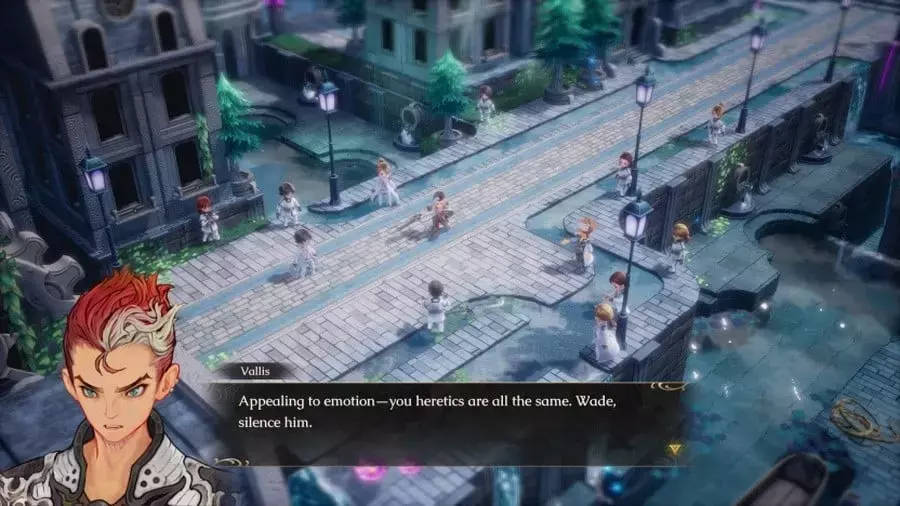
The narrative of “Eternal Anima” unfolds in a world where an unending ocean has submerged four continents, leaving only the sky-city of Urbis Ael. This city is ruled by a corrupt regime that suppresses those who seek progress. Wade, the main character, is branded a dissident and embarks on a perilous journey into the forbidden sea, driven by a quest to uncover the truth behind the lost lands. My demo began with Wade traversing the desolate Somber Woods, accompanied by his companions, the robot M.O.S. and the forthright expedition leader Neria. Their distinct personalities create dynamic and entertaining group interactions. A key mechanic involves Wade’s ability to time-travel between past and present, aiming to avert the catastrophic fate of the continents. This ability is tied to his Psychometry powers, manifested as a glowing mark on his arm, allowing him to perceive past events and glimpse future outcomes.
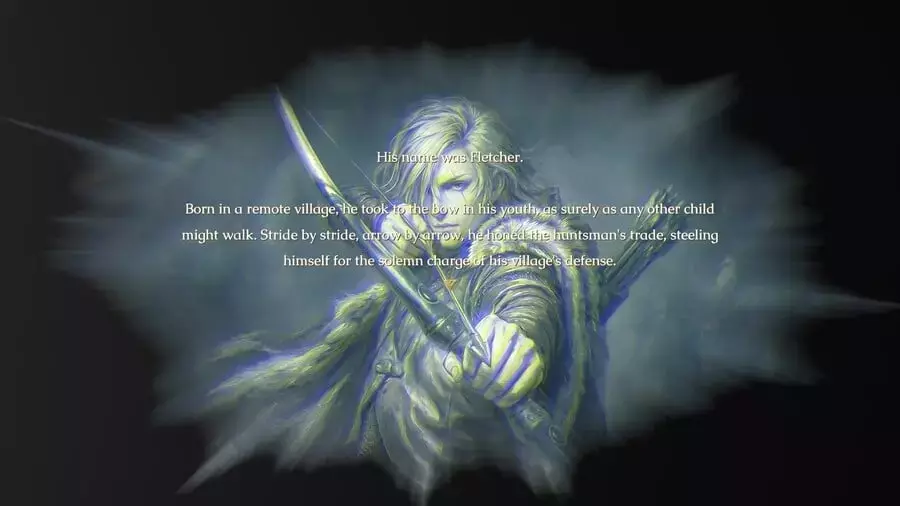
The combat system in “Eternal Anima” reinterprets the traditional turn-based JRPG format through Wade’s Psychometry. His foresight into enemy attacks and their consequences introduces a strategic layer, encouraging thoughtful tactical planning rather than mindless button mashing. Players cycle through party members, each with unique abilities: Neria with her sword skills, M.O.S. with mechanical laser attacks, and Wade, whose class changes based on equipped weapons—a feature demonstrated when touching an ancient bow unlocked the Bowhunter class. The game rewards proactive engagement with an “Opening Strike” bonus and the potential for instant victories against weaker foes, contributing to a fluid combat experience. Boosted points (BP) can be accumulated and spent on powerful abilities, resetting after each encounter to encourage their liberal use. The narrative deepens as M.O.S. reveals the dwindling “Anima” in the forest, threatening its collapse. Rescuing Martii, a forest dweller struggling to find a cure for the dying environment, leads to a pivotal discovery: Martii’s efforts to revive a withered tree are dismissed by traditionalists clinging to outdated beliefs. Upon learning that Wade and his companions are from the future, Martii joins the party, adding elemental and healing capabilities as they set off to confront the stubborn elders in La Bosêt, a vibrant and immersive woodland village, contrasting sharply with the bleak Somber Woods.
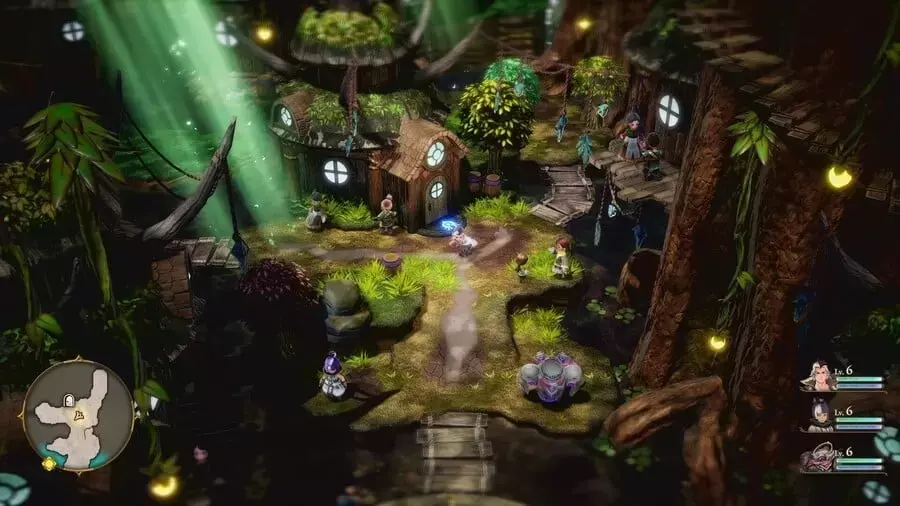
The game’s aesthetic, particularly the lively village of La Bosêt, impressed me with its vivid details, from quaint tree-houses adorned with lily pads to the warm, green-filled interiors. Environmental effects, such as light rays piercing through trees and water reflections, enhance the immersive fantasy atmosphere, complemented by ambient sounds like flowing water and rustling grass. The character designs, featuring charming chibi characters with detailed portraits during dialogue, further contribute to the game’s appeal. Despite only scratching the surface in my hour-long preview, “Eternal Anima” left me eager to discover if Wade can ultimately alter the world’s grim destiny. I also found myself surprisingly enjoying the turn-based combat, a genre I typically approach with reservations, a testament to the game's engaging design. “Eternal Anima” is scheduled to launch on Switch 2 on March 4, 2027.