This article examines the unexpected drop in Estée Lauder's stock price, occurring despite the company's positive financial performance and improved forecasts. It delves into the potential reasons behind investor apprehension, focusing on the impact of tariffs and market expectations.
Unveiling the Paradox: Estée Lauder's Stock Dive Amidst Fiscal Triumph
Estée Lauder's Unexpected Market Reaction: A Deep Dive into Investor Discontent
Estée Lauder, a prominent name in the cosmetics industry, recently reported financial outcomes for its second quarter that exceeded analysts' predictions. Despite these strong results and an upward revision of its annual financial projections, the company's stock experienced a significant downturn, plummeting by 19% to its lowest closing value since December. This counterintuitive market response has prompted scrutiny into the underlying factors influencing investor sentiment.
The Persistent Shadow of Tariffs and Elevated Market Expectations
A key element contributing to the stock's decline appears to be the company's reaffirmation of an anticipated $100 million tariff burden on its profits for the latter half of the fiscal year. This financial headwind, coupled with the stock's substantial appreciation since April's lows, may have set overly ambitious expectations among investors, leading to a sharp correction when these high hopes were not fully met.
Expanding Global Reach: Estée Lauder's Strategic Growth Across Continents
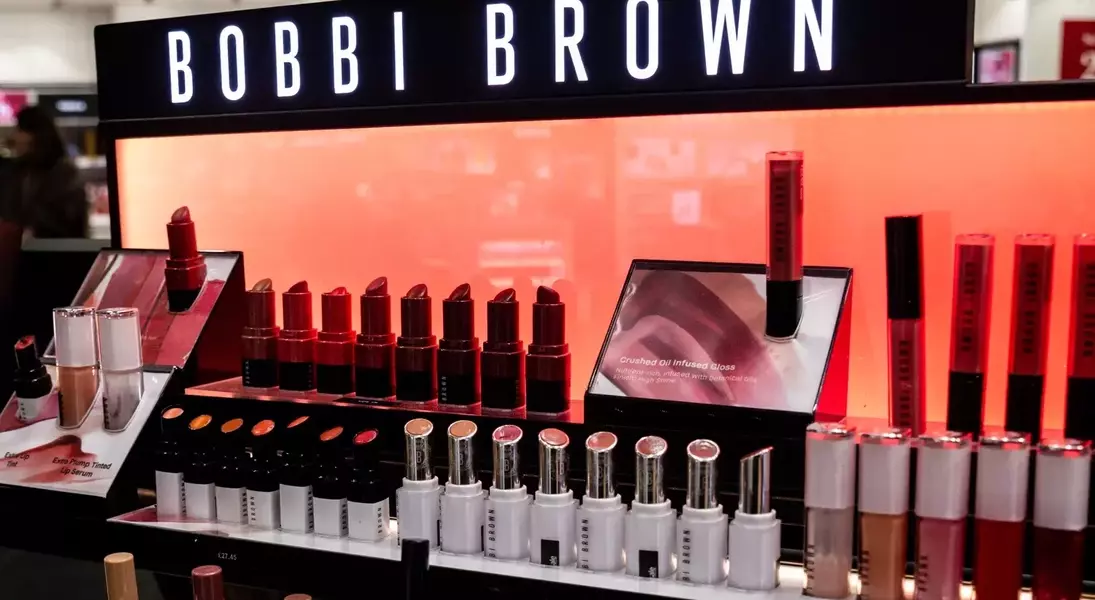
Under the leadership of CEO Stéphane de la Faverie, Estée Lauder has demonstrated commendable progress in broadening its market presence. The company, which boasts brands like Bobbi Brown and Clinique, has seen robust sales growth in European, Chinese, and other Asian markets. Furthermore, it has successfully recaptured market share in the Americas by venturing beyond traditional department stores and embracing digital platforms such as Amazon, TikTok, and Sephora.
Navigating Economic Headwinds: The Impact of Tariffs on Consumer Confidence
Despite these strategic successes, the company acknowledges the challenges posed by economic factors. De la Faverie highlighted that new tariffs are beginning to erode consumer confidence in Latin American markets, presenting a hurdle that Estée Lauder is actively working to overcome. This candid admission offers a glimpse into the broader economic landscape affecting multinational corporations.
Robust Financial Performance: Surpassing Projections and Raising Forecasts
For the quarter ending December 31, Estée Lauder announced sales totaling $4.2 trillion, marking a 6% increase year-over-year and slightly outperforming consensus estimates from Visible Alpha. This translated into an adjusted earnings per share of approximately $0.89, exceeding the $0.82 anticipated by analysts. The company also elevated its full-year earnings forecast, projecting an adjusted operating profit margin of 9.8% to 10.2%, an improvement from previous guidance, despite an expected dip in the third quarter due to tariff impacts.
Investor Skepticism: A Closer Look at the Market's Negative Appraisal
The pronounced negative investor reaction, culminating in a 19% stock drop, underscores a disconnect between the company's reported performance and market perception. Even with an intraday recovery from its lowest points, the stock concluded trading significantly below Wall Street's consensus price target. This suggests that investors are weighing macroeconomic concerns and future uncertainties more heavily than current positive indicators.
