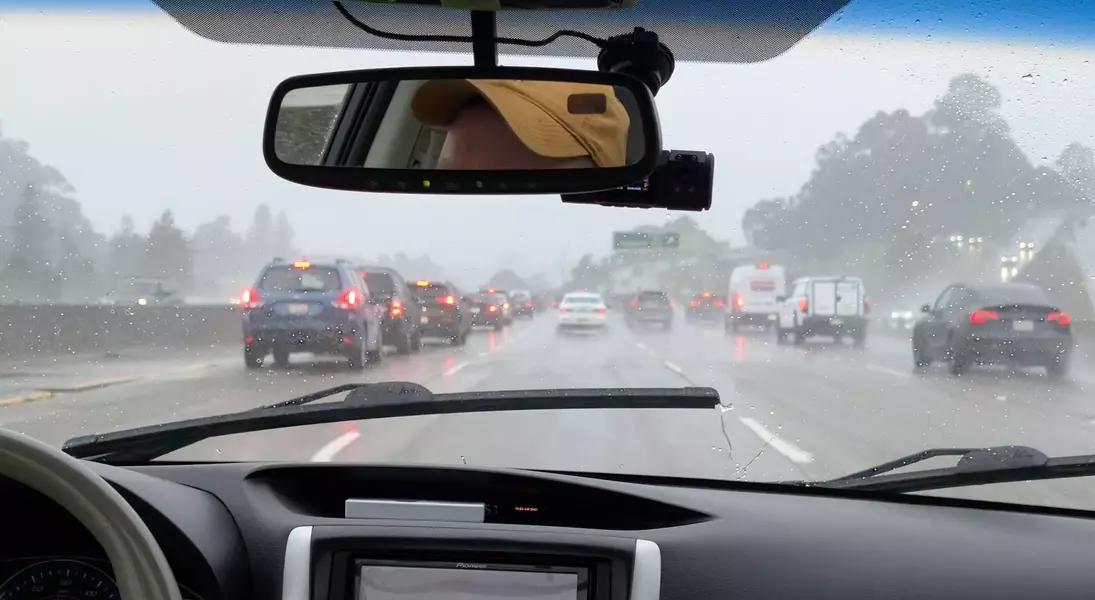
Embarking on a holiday road trip requires thorough vehicle preparation to ensure safety and prevent unforeseen complications. A comprehensive pre-trip inspection of your car's critical components can significantly reduce the risk of breakdowns and costly repairs, allowing you to enjoy your journey with peace of mind. From essential fluid checks to tire integrity and emergency preparedness, each step contributes to a secure and enjoyable travel experience, especially during challenging winter conditions or heavy traffic.
By dedicating a small amount of time to these preventative measures, travelers can confidently navigate their way to their destinations. This proactive approach not only safeguards passengers but also enhances the overall reliability and performance of the vehicle. Ultimately, a well-maintained car equates to a stress-free holiday, enabling you to focus on creating cherished memories with loved ones rather than worrying about mechanical issues.
Ensuring Optimal Vehicle Performance for Your Trip
Before hitting the road for your holiday adventures, conducting essential checks on your vehicle is paramount to a safe and hassle-free journey. This includes diligently inspecting critical fluids such as engine oil, coolant, and brake fluid, as these are the lifeblood of your car's operational health. Additionally, evaluating the condition of your tires, including tread depth and pressure, is vital for maintaining traction and stability, particularly when encountering diverse road conditions. A robust battery and fully functional lighting systems are equally important for visibility and reliable starts, especially in colder climates. These preventative measures not only mitigate the risk of roadside emergencies but also contribute to a smoother driving experience, allowing you to travel with confidence.
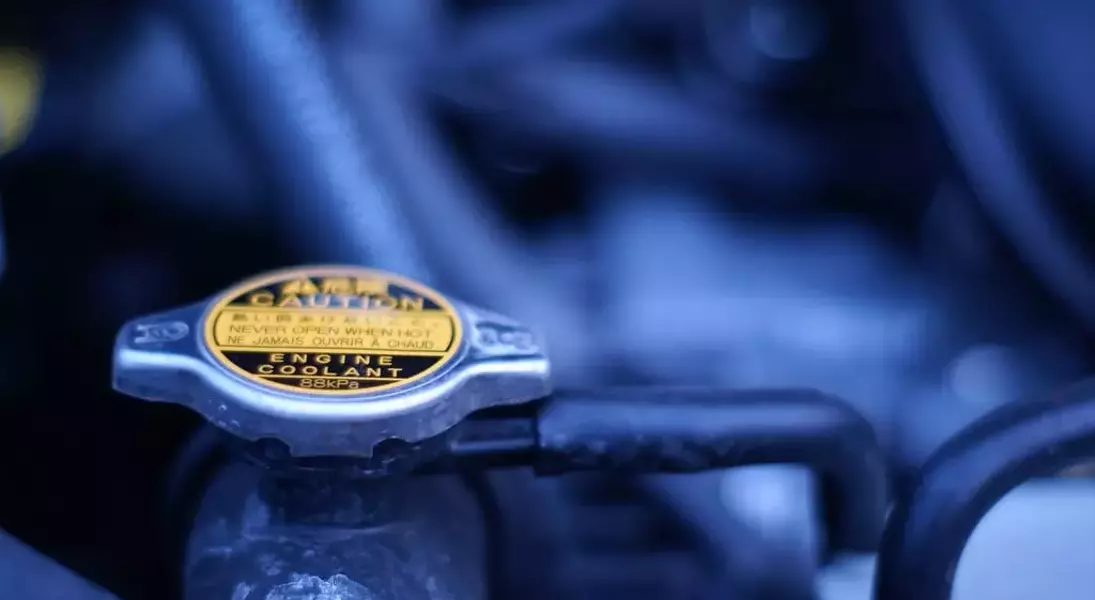
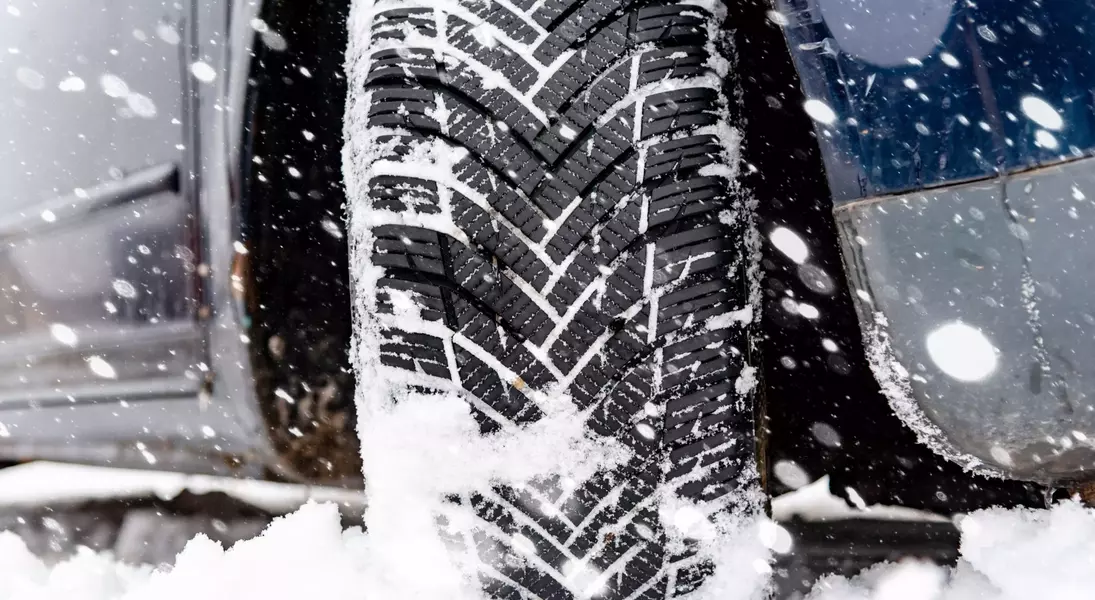
To ensure your vehicle is truly ready for holiday travel, start by systematically examining all fluid levels and their quality. Engine oil should be at the correct level and replaced if overdue, ensuring efficient engine operation during long drives. Coolant levels must be adequate and mixed appropriately to prevent overheating or freezing, which can be critical in varying weather. Brake fluid, if low or contaminated, can severely compromise stopping power, necessitating immediate attention. Beyond fluids, your tires require meticulous inspection; check for sufficient tread, any signs of damage like cracks or bulges, and ensure they are inflated to manufacturer specifications, including your spare. The battery's health is crucial for starting, especially when cold, so testing its voltage and checking for corrosion on terminals is recommended. Finally, all exterior lights—headlights, taillights, turn signals, and brake lights—must be in perfect working order to ensure you are visible and can communicate your intentions clearly to other drivers.
Prioritizing Safety and Preparedness on the Road
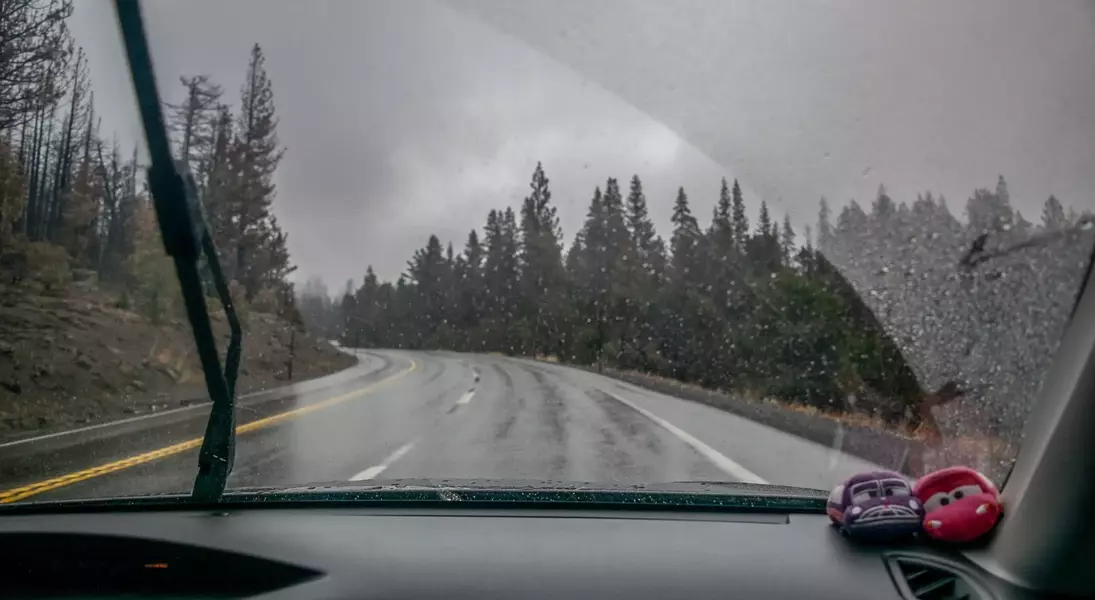
Beyond mechanical readiness, holiday travel demands a strong focus on safety and preparedness. This involves meticulous checks of your vehicle's safety features, such as brakes and wipers, to ensure they perform optimally in all conditions. Effective brakes are your primary defense against accidents, so any unusual sounds or changes in pedal feel warrant immediate professional inspection. Similarly, properly functioning wipers and defrosters are indispensable for maintaining clear visibility in rain, snow, or fog. Furthermore, assembling a comprehensive emergency kit is a non-negotiable step; it should contain essentials like jumper cables, a spare tire, basic tools, and supplies for inclement weather, providing a crucial safety net in unexpected situations. Thorough preparation in these areas significantly enhances the security and comfort of your holiday journey.
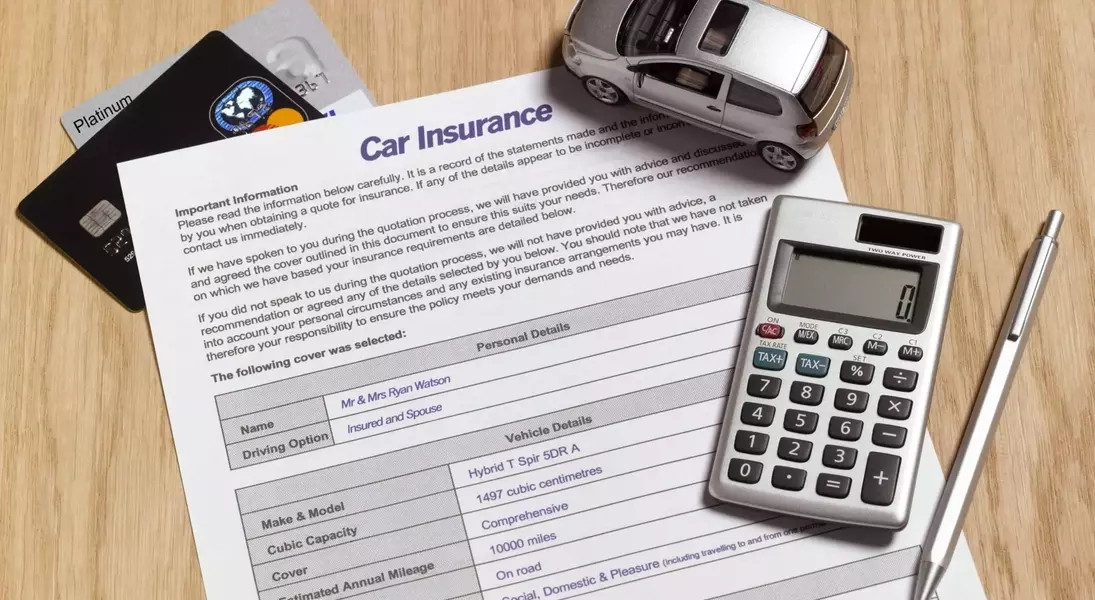
To enhance your safety and preparedness for unexpected situations, begin by thoroughly testing your braking system. Listen for any squealing, grinding, or thumping sounds, which could indicate worn pads or damaged rotors, and address them promptly. Pay close attention to the brake pedal’s feel; a soft or spongy sensation, or if the car pulls to one side during braking, signals a need for immediate inspection. Next, confirm that your windshield wipers effectively clear the glass without streaking, replacing blades if necessary, and ensure your washer fluid reservoir is full for optimal visibility. Verify that your defrosters quickly clear fog and ice, which is vital for winter driving. An emergency kit should be tailored to your travel route and potential weather, including jumper cables, a jack, a lug wrench, extra fluids, blankets, gloves, non-perishable snacks, water, and a first-aid kit. Lastly, confirm your insurance and registration documents are current and easily accessible, and keep your phone charged with a car charger and hands-free navigation. These steps collectively minimize risks and ensure a more secure and pleasant travel experienc
