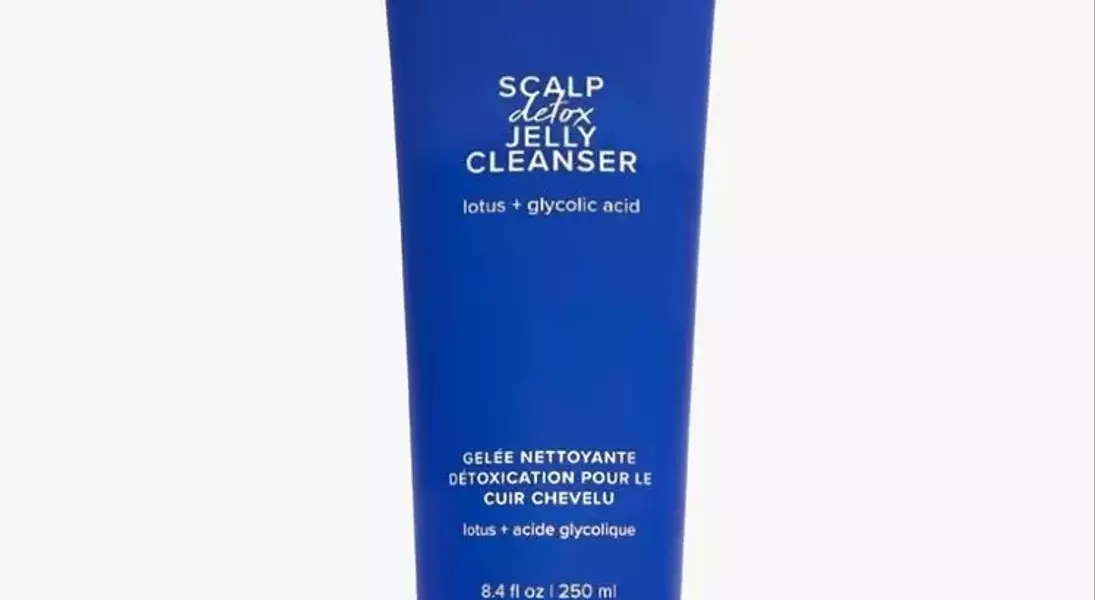
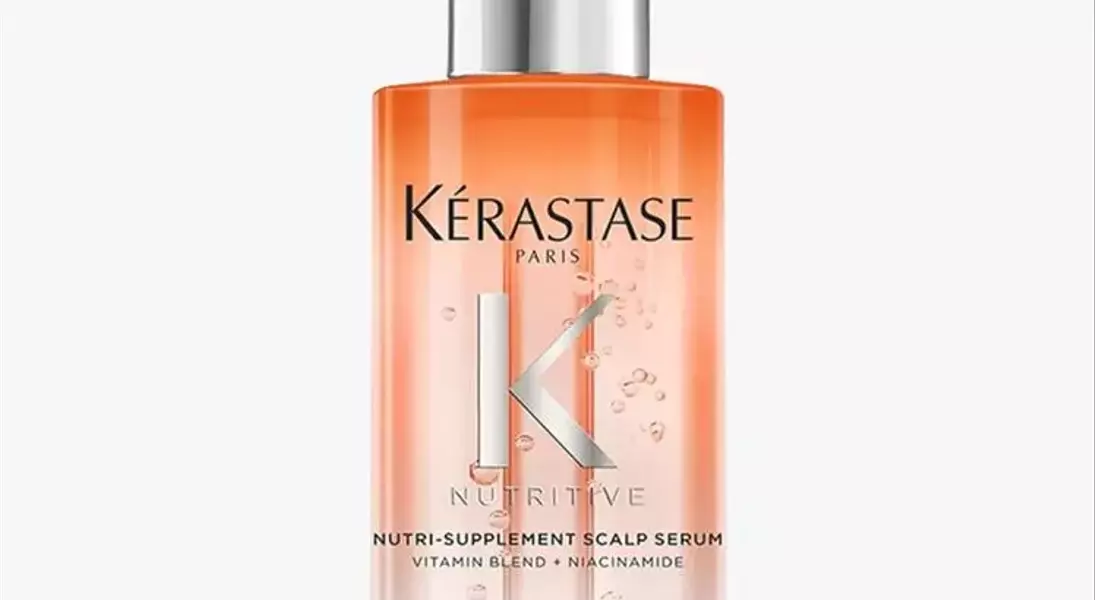
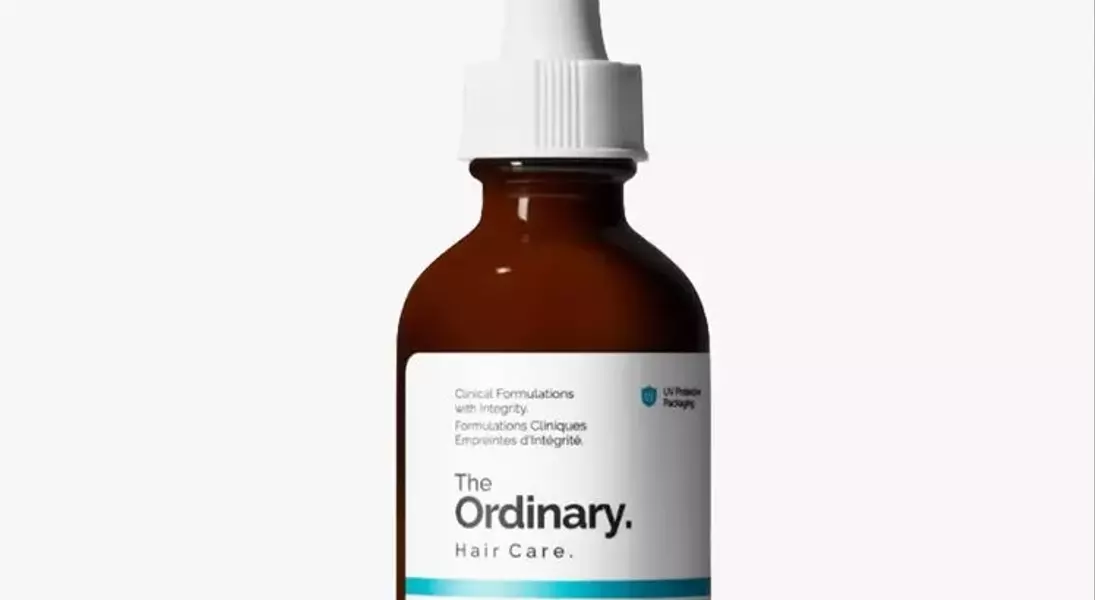
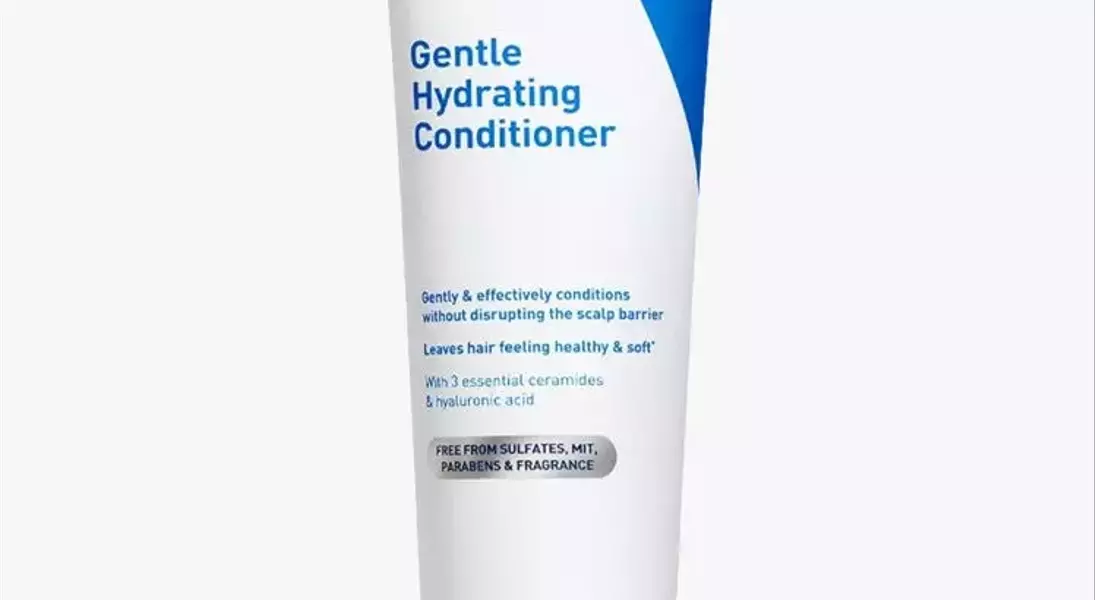
A well-hydrated scalp is the foundation of lustrous hair. Many factors, ranging from our daily routines to external elements, can contribute to dryness, leading to discomfort and flakiness. Understanding these triggers is the first step toward effective management. Overly hot showers, frequent use of heat styling tools, and harsh chemical treatments can strip the scalp of its natural moisture, compromising its protective barrier. Environmental conditions, such as cold weather and low humidity, also play a significant role. Furthermore, certain skin conditions like eczema or seborrheic dermatitis, and even age-related hormonal changes, can exacerbate scalp dryness. Addressing these issues with a targeted approach, incorporating hydrating products and gentle care practices, is essential for maintaining a healthy scalp and promoting vibrant hair growth.
Achieving a moisturized scalp involves a multi-faceted approach that goes beyond simply washing your hair. It requires thoughtful product selection and consistent application of treatments designed to restore the scalp’s natural balance. From choosing shampoos with gentle, hydrating ingredients to integrating specialized serums and exfoliants, each step contributes to rebuilding the skin barrier and retaining moisture. Protecting the scalp from environmental damage, such as sun exposure, is equally important. By adopting a comprehensive routine that includes appropriate cleansing, targeted hydration, and protective measures, individuals can effectively combat dryness, alleviate irritation, and cultivate an optimal environment for healthy hair.
Foundation of Scalp Health: Gentle Cleansing and Hydration
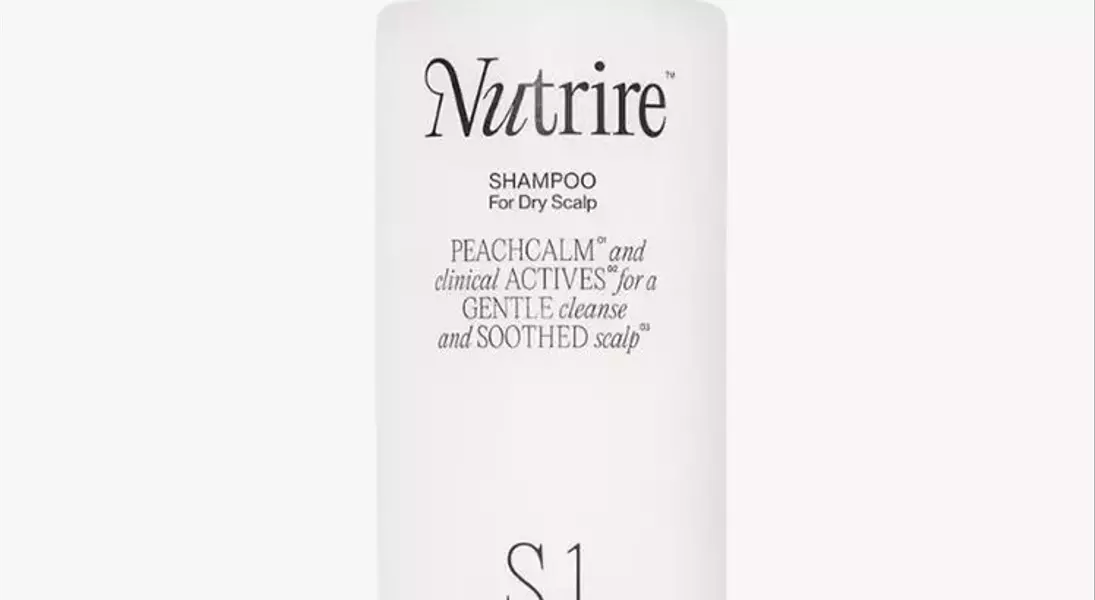
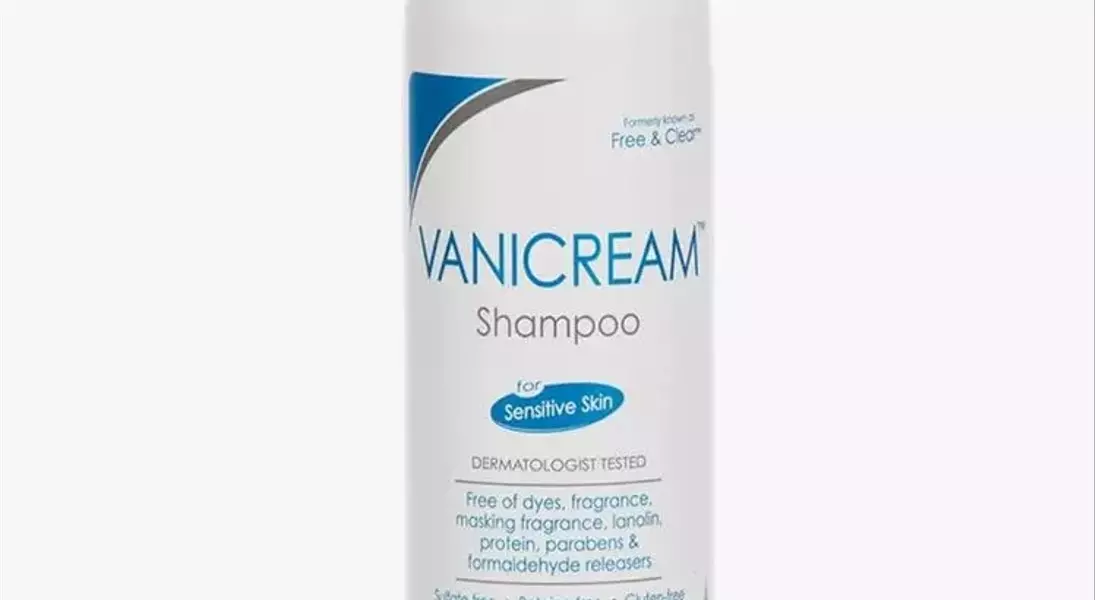
Establishing a consistent regimen for scalp hydration begins with selecting appropriate cleansing products. It's crucial to opt for shampoos that are gentle and infused with moisturizing agents like glycerin, ceramides, and hyaluronic acid. These ingredients work synergistically to attract and retain moisture, reinforcing the scalp's natural barrier without stripping away essential lipids. Dermatologists emphasize the importance of avoiding harsh clarifying shampoos if your scalp is prone to dryness, as these can exacerbate dehydration by removing protective oils. Instead, focus on formulations designed to cleanse effectively while preserving the scalp's delicate moisture balance. Products containing mild surfactants are ideal, as they remove impurities and product buildup without causing irritation or further dryness. This foundational step sets the stage for a healthy, hydrated scalp, preparing it to absorb subsequent treatments more effectively and preventing the cycle of dryness and discomfort.
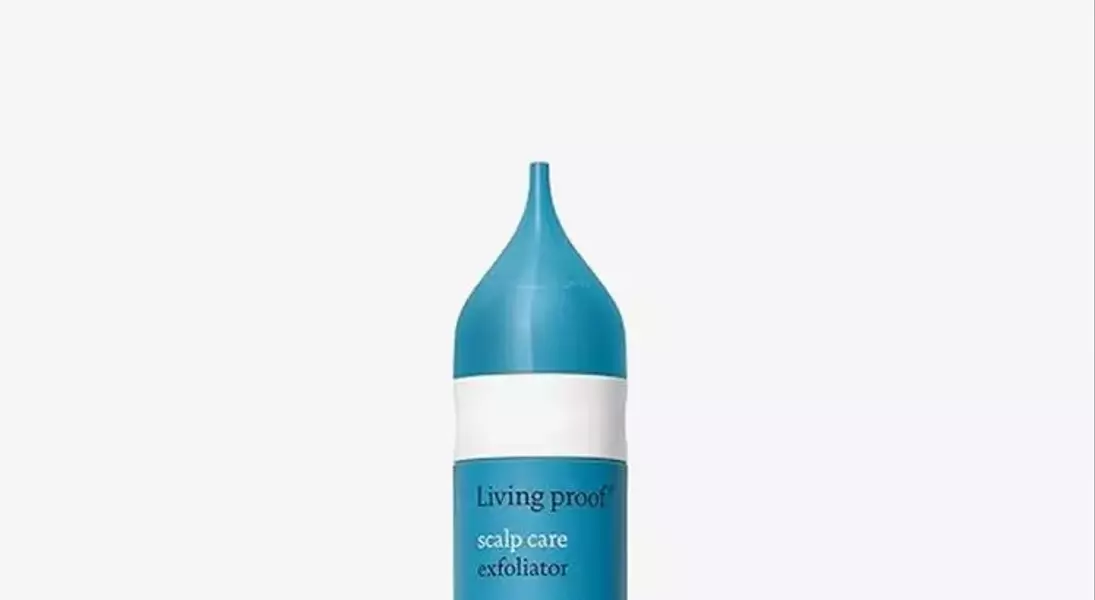
Beyond the initial cleanse, maintaining scalp hydration requires a diligent and multifaceted approach that incorporates targeted treatments and mindful practices. After shampooing, applying a moisturizing scalp treatment is highly recommended. Look for serums rich in hyaluronic acid, glycerin, or panthenol, which deliver intense hydration directly to the scalp. These treatments are best applied by parting the hair in sections to ensure the product reaches the skin effectively. Regular, gentle exfoliation can also be beneficial, but it's important to approach this cautiously to avoid over-stripping the scalp. Over-exfoliation can disrupt the skin barrier, leading to increased dryness and irritation. If significant flaking or scaling is present, it's advisable to consult a dermatologist to rule out underlying conditions like seborrheic dermatitis or psoriasis. Additionally, incorporating a hydrating conditioner, applied from mid-lengths to ends, helps to nourish the hair shaft, reducing breakage and enhancing overall hair health. The goal is to create a comprehensive routine that supports both scalp and hair, fostering an environment where both can thrive.
Holistic Scalp Care: Protection and Mindful Practices
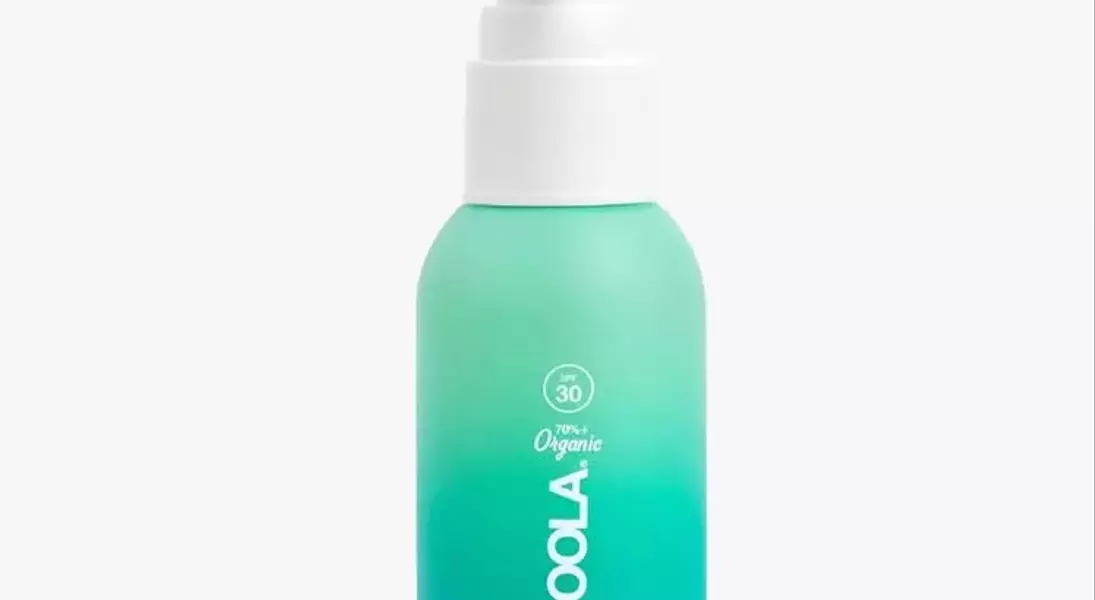
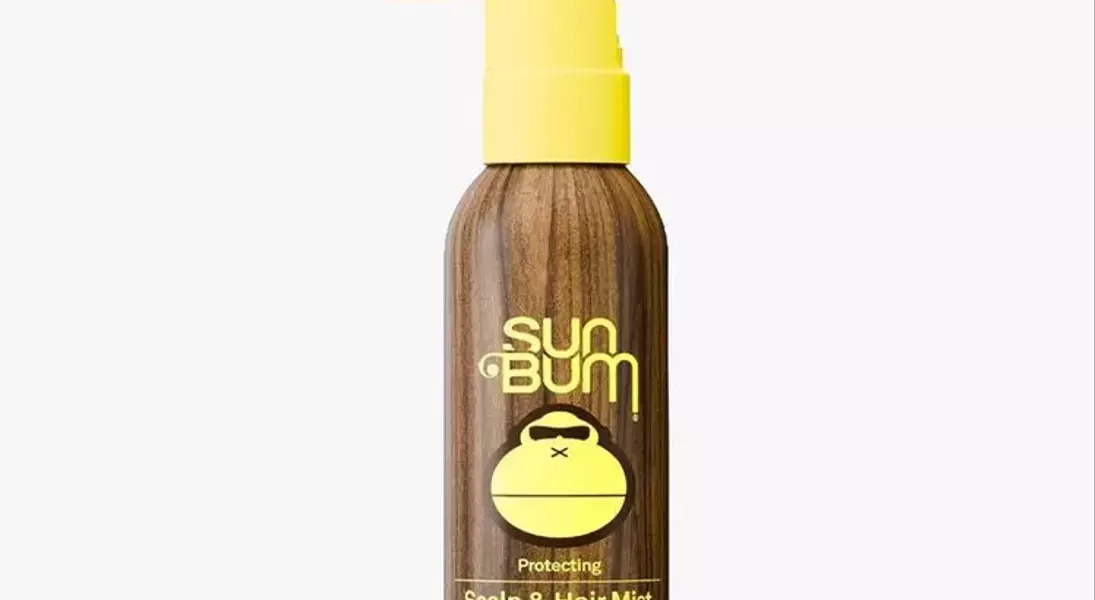
Protecting your scalp from external aggressors is a vital component of a comprehensive hydration strategy. Environmental factors, particularly the sun's harmful UV rays, can significantly contribute to scalp dryness and irritation. Therefore, incorporating sun protection into your daily routine is essential, especially for those with thinning hair or a visible scalp. Wearing hats when outdoors provides a physical barrier against sun exposure, while scalp-specific sunscreens offer an additional layer of protection. These specialized products are formulated to be lightweight and non-greasy, ensuring they don't weigh down hair or leave a residue. By shielding the scalp from UV damage, you help prevent moisture loss and maintain the integrity of its delicate skin barrier, reducing the likelihood of dryness and discomfort. This proactive approach to protection complements your hydrating treatments, creating a robust defense against environmental stressors.
Beyond external protection, several mindful practices can significantly impact scalp health and hydration. One crucial habit to reconsider is the temperature of your shower water. While hot showers can feel soothing, excessively hot water can strip the scalp of its natural oils, leading to dryness and irritation. Opting for lukewarm water and keeping showers brief can help preserve the scalp's natural moisture barrier. Furthermore, it's important to manage product buildup effectively. Heavy oils, dry shampoos, and various styling products can accumulate on the scalp, potentially clogging follicles and contributing to irritation and dryness. Regular, gentle cleansing with the right water temperature helps remove this buildup without over-stripping the scalp. Understanding the difference between dry scalp and dandruff is also key; flaking doesn't always indicate dryness, as dandruff is often linked to yeast and inflammation, requiring different treatments. If persistent itching, redness, thick scales, or pain occur, consulting a dermatologist is advisable for an accurate diagnosis and personalized treatment plan, ensuring that your scalp receives the most appropriate care for its specific needs.