


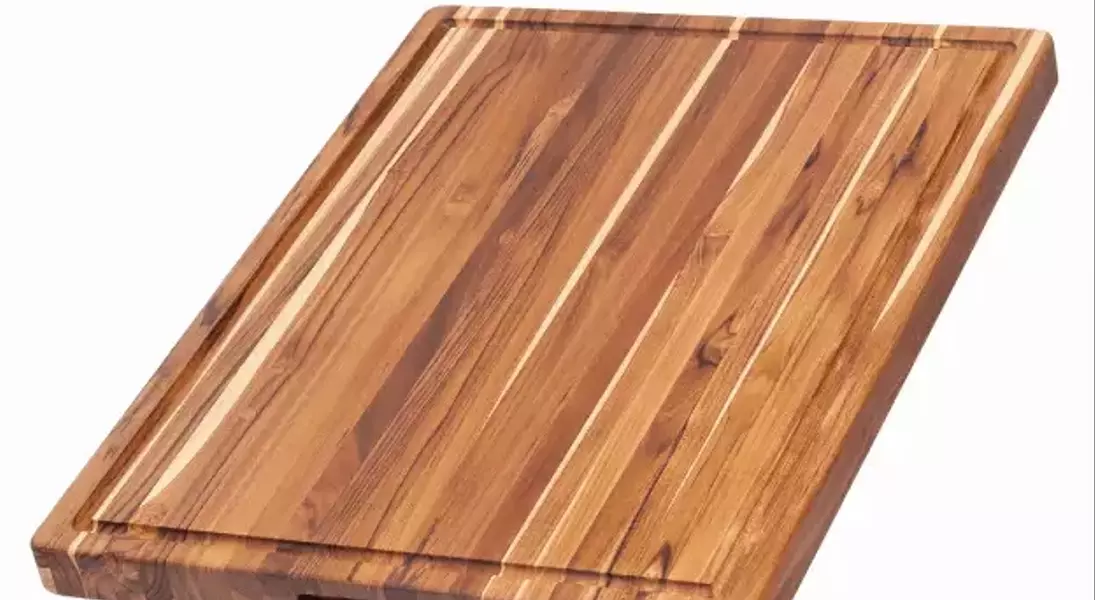

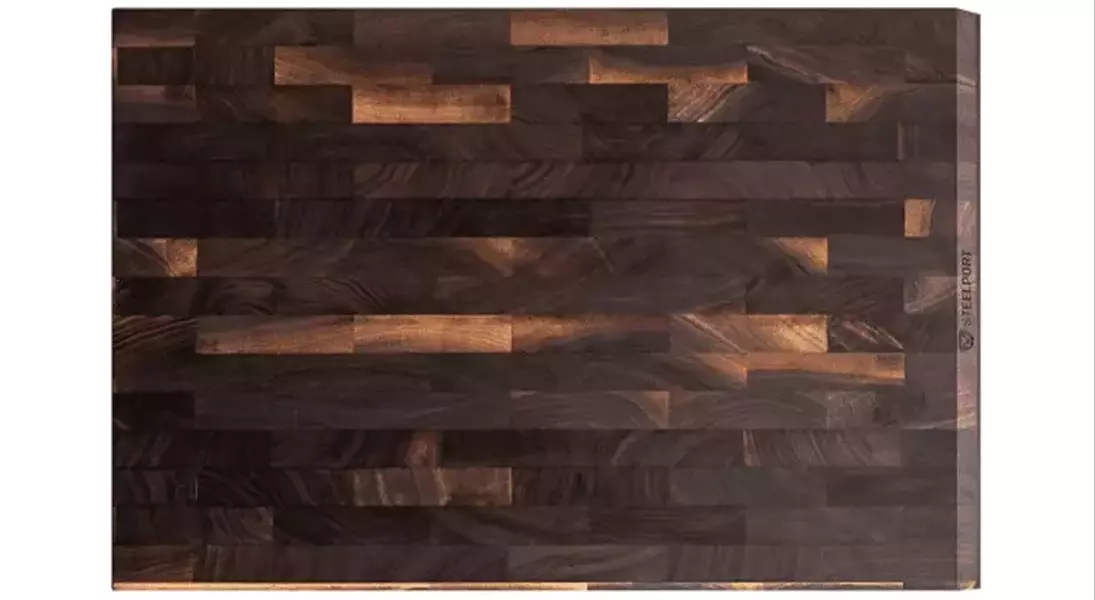
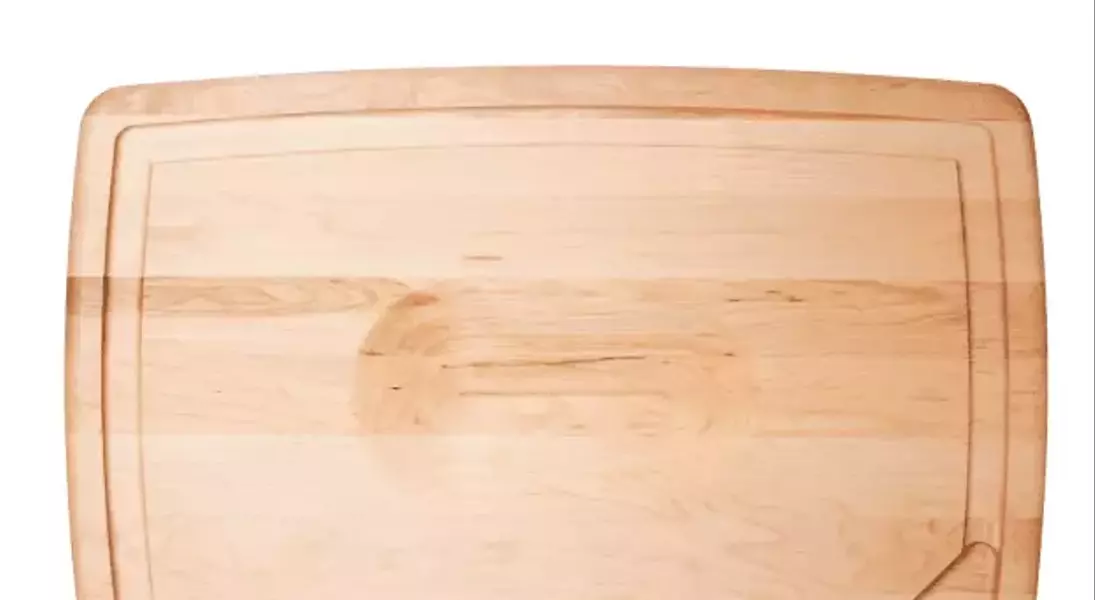

A high-quality cutting board is a fundamental kitchen tool, providing a crucial barrier between your culinary blades and your countertops. The most effective cutting surfaces not only safeguard your kitchen surfaces but also offer a firm foundation for precise chopping and a forgiving texture that preserves the sharpness of your knives. This in-depth analysis explores the characteristics of various cutting board materials, including plastic, wood, and rubber, evaluating their performance based on extensive testing. After rigorously assessing over 20 different models, we present our top five recommendations, ensuring you make an informed choice for your culinary endeavors.
Selecting the Ideal Cutting Surface for Your Kitchen
Choosing the right cutting board involves balancing durability, knife-friendliness, and ease of maintenance. Our top recommendations span various materials, each offering distinct advantages tailored to different culinary styles and preferences. From robust wooden blocks that grace professional kitchens to versatile plastic options perfect for everyday use, and innovative rubber boards prized for hygiene, there's a perfect match for every home cook. We've highlighted key features, pros, and cons to guide you in finding a board that enhances your prep work while standing the test of time.
A superior cutting board is indispensable for any cook, acting as a vital shield for your kitchen surfaces and a protector for your valuable knives. The best boards go beyond simple counter protection, offering a steady platform for energetic chopping and a sufficiently pliable surface to prevent blade dulling. This delicate balance of stability and gentleness is achievable with various materials, including plastic, wood, and rubber. Following exhaustive evaluations of over two dozen options, we've curated a selection of five exceptional cutting boards that meet these high standards. Our exploration details why these particular boards excel, from their material composition to their ergonomic features, and how they contribute to a more efficient and safer cooking environment. Understanding the nuances of each type will empower you to choose a cutting board that aligns perfectly with your cooking habits and kitchen aesthetic, ensuring long-term satisfaction and performance.
Understanding Cutting Board Materials and Maintenance
The longevity and performance of your cutting board largely depend on its material and how it's cared for. Each material—wood, rubber, and plastic—presents a unique set of characteristics that impact its suitability for different tasks and its maintenance requirements. Understanding these differences is key to maximizing your board's lifespan and maintaining kitchen hygiene. From the rigorous oiling routines demanded by wooden boards to the simple dishwasher compatibility of many plastic variants, and the sanitizing benefits of rubber, careful consideration of upkeep is as important as initial selection.
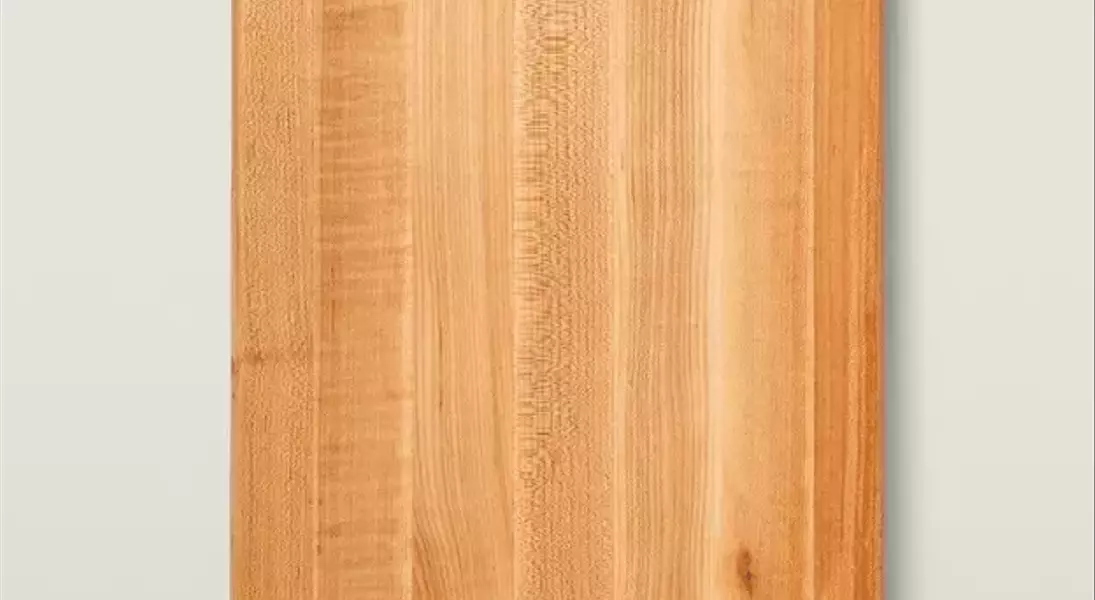
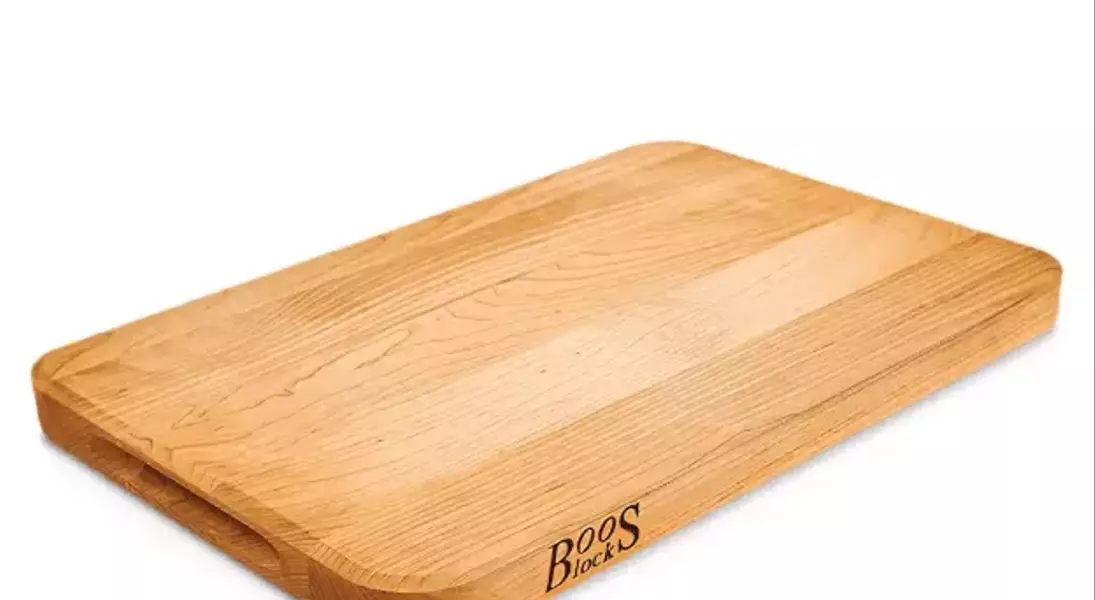
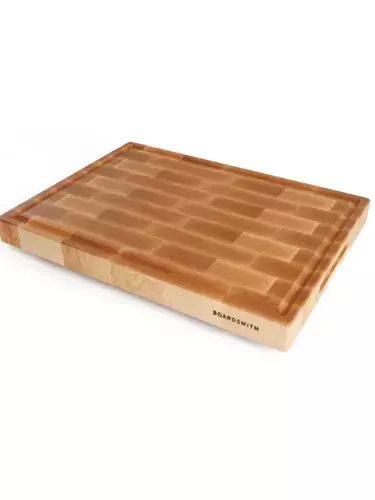
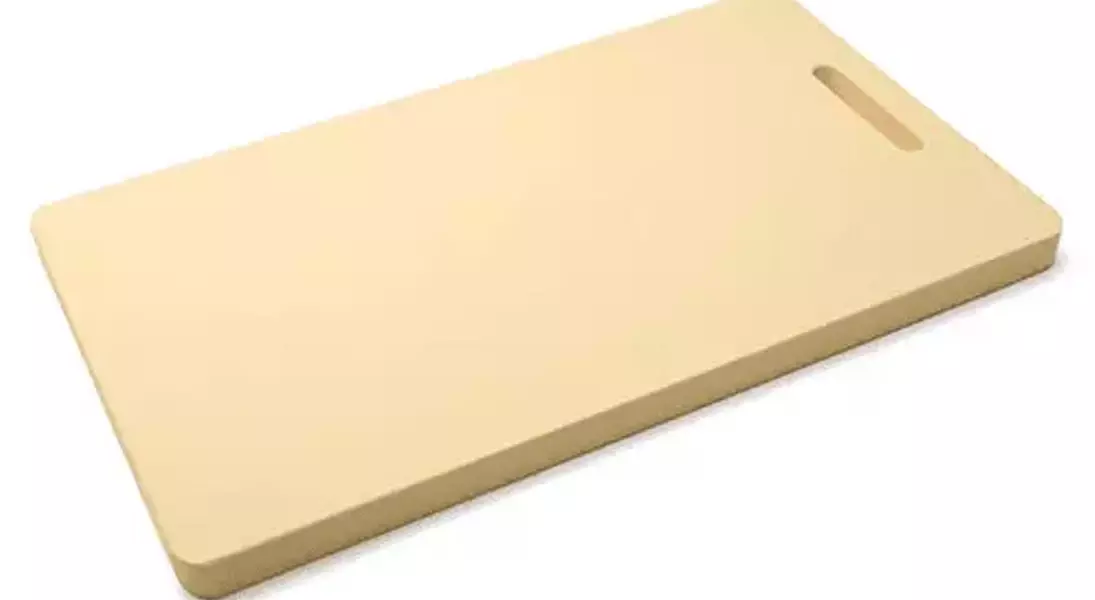
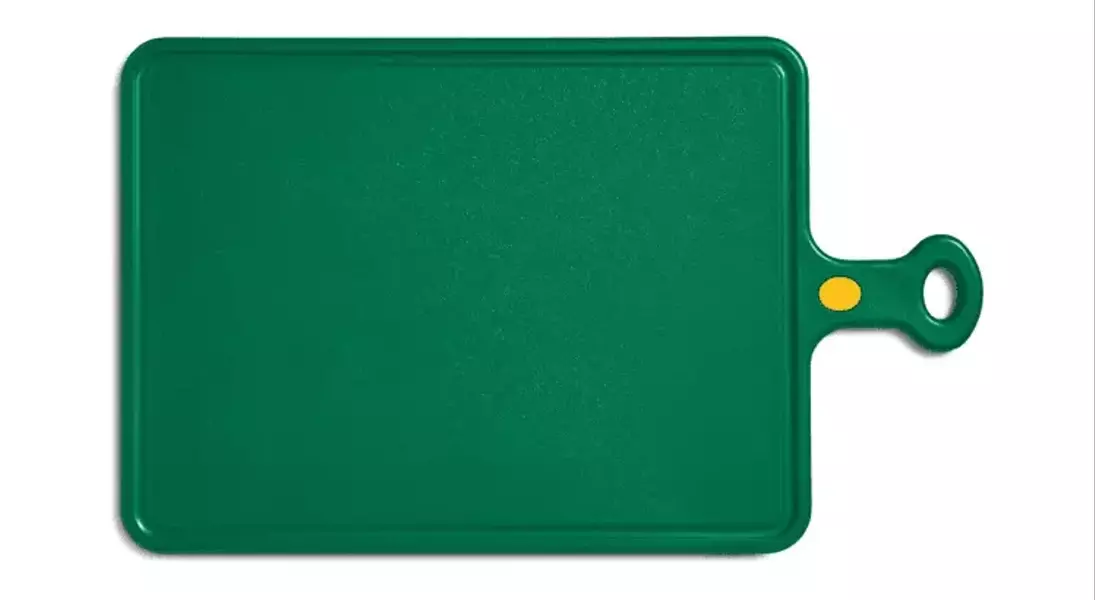
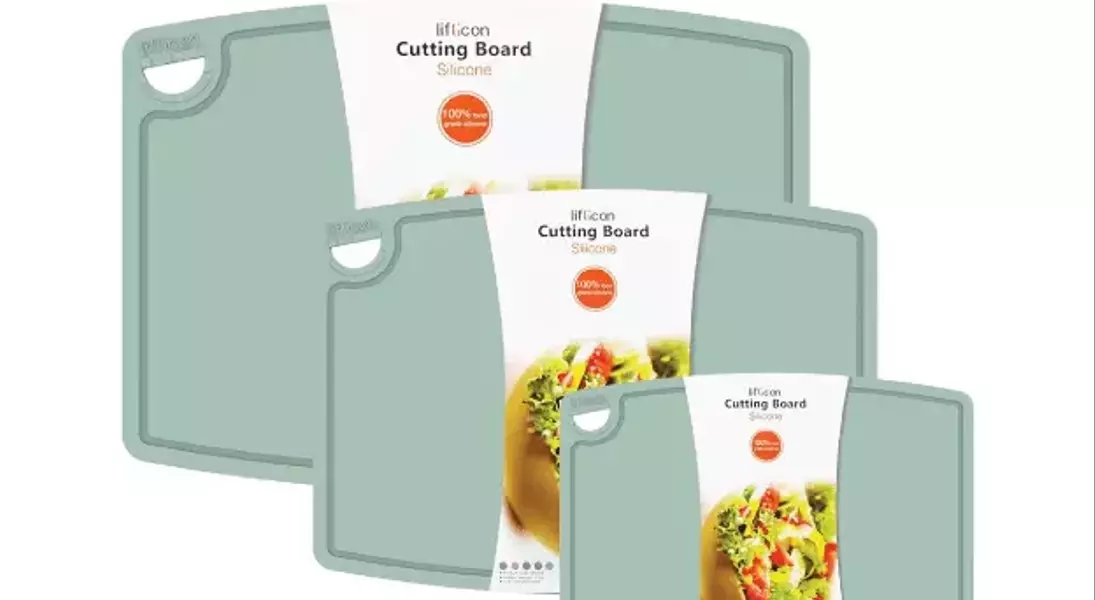
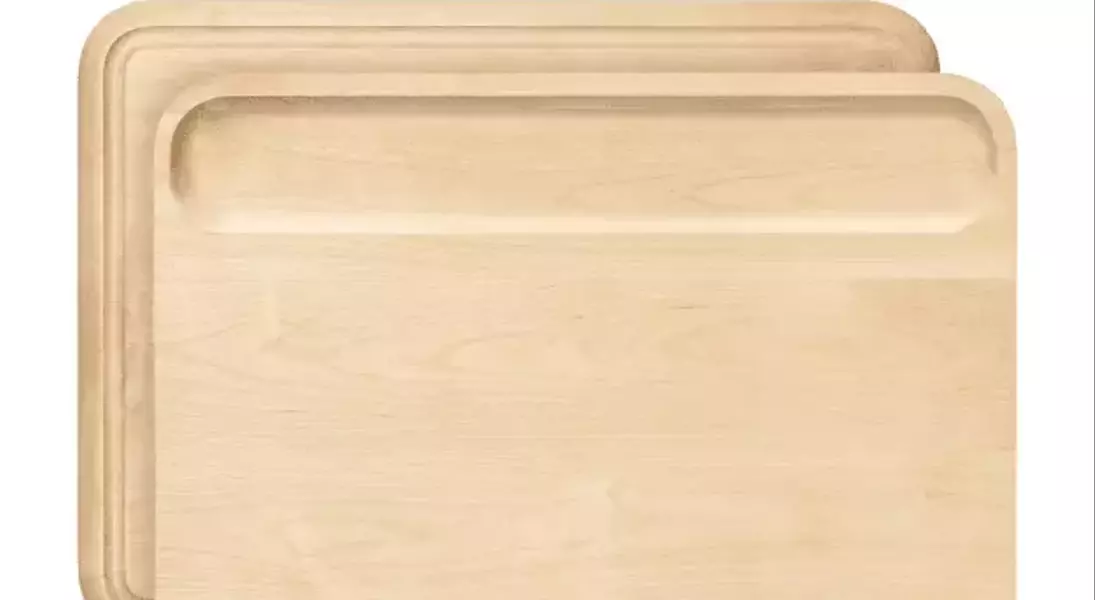
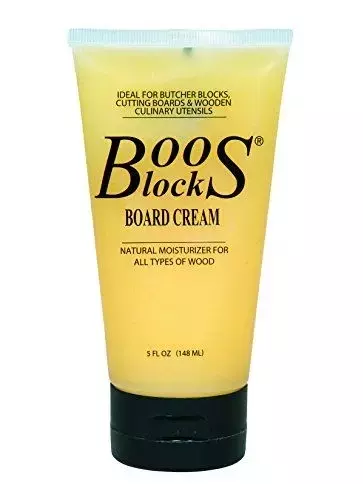
The material of your cutting board significantly influences its durability and care. Wooden boards, such as those made from maple, are cherished for their aesthetic appeal and gentle interaction with knife blades, which helps maintain sharpness. However, they require diligent maintenance, including regular oiling, to prevent warping and cracking, and are not typically dishwasher safe. Rubber boards, often favored in professional settings, are highly durable and exceptionally kind to knives due to their soft, flexible surface. They are also non-porous, making them easy to sanitize, though they often demand hand-washing and can be heavy. Plastic cutting boards offer convenience and affordability, being lightweight and largely dishwasher-safe, which makes them ideal for preparing raw meats where sanitation is paramount. Yet, they are prone to warping and can accumulate deep knife grooves over time, potentially harboring bacteria. Conversely, glass boards are universally ill-advised due to their tendency to dull, chip, or break knives, making them a hazardous choice for food preparation. Optimal care practices vary by material: plastic boards benefit from thorough scraping before dishwashing, rubber boards need hand-washing with mild detergent and air-drying, while wooden boards thrive with meticulous hand-washing, even hydration, and regular treatment with mineral oil and beeswax to preserve their integrity and appearance.
