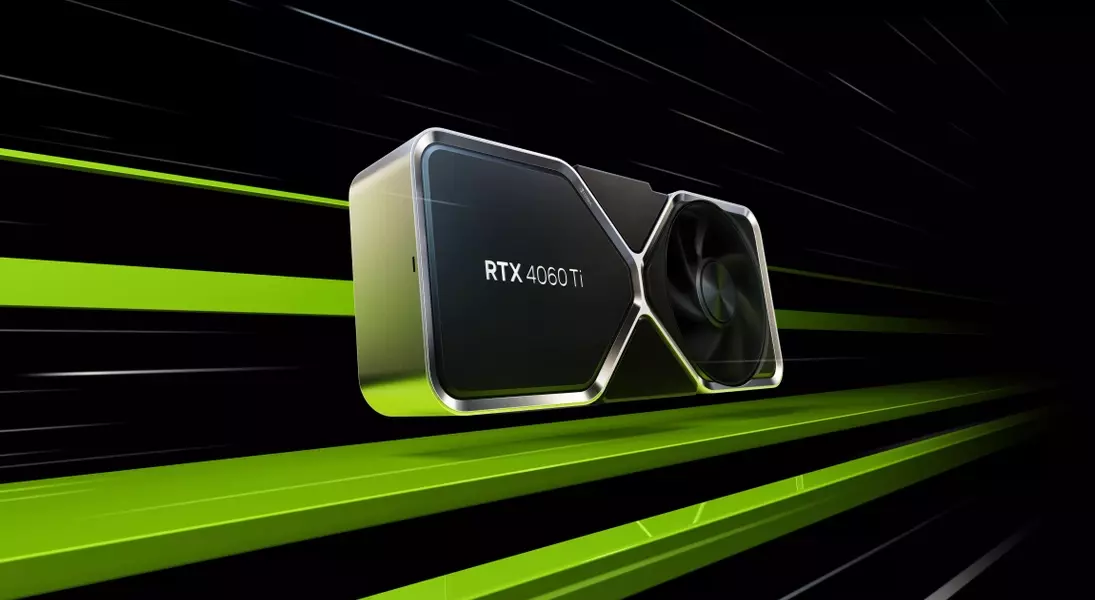
A global shortage of memory components, intensified by the burgeoning artificial intelligence sector's demand for high-bandwidth memory, is poised to significantly impact the pricing of Nvidia graphics cards. Industry reports suggest that the cost of these crucial gaming components could see an increase of 20% to 30%. This development marks another chapter in what has been termed the 'RAMpocalypse' or 'RAMageddon,' a period characterized by escalating prices for various consumer electronics, including personal computers and gaming consoles, as manufacturers prioritize the production of specialized memory for data centers.
The price adjustments appear to stem from Nvidia's decision to raise the cost of its GPU kits supplied to manufacturing partners such as MSI and Asus. These partners are responsible for assembling the final graphics cards that reach consumers. Although these manufacturers are not obligated to transfer these increased expenses directly to the end-user, historical trends indicate that such cost escalations are typically reflected in retail prices. This situation arises after a period of relative stability in graphics card prices earlier in the year, highlighting the sudden and significant shift in market dynamics.
The root cause of this widespread hardware price inflation is the pivot by major memory producers like Samsung, SK Hynix, and Micron. These companies have shifted their focus from manufacturing dynamic random access memory (DRAM), commonly used in consumer devices, to producing more HBM. This strategic change is a direct response to the escalating demand from tech giants building vast data centers to support generative AI technologies. The rapid and substantial reallocation of production capacity has led to a scarcity of DRAM, affecting the supply chain for a broad range of electronic goods.
The repercussions of this memory crunch have already been felt across the gaming hardware industry. Valve, for instance, increased the price of its Steam Deck by a considerable margin, ranging from $240 to $300 depending on the model. Similarly, Sony implemented price hikes for both versions of its PlayStation 5, with the disc-drive variant seeing an additional $150 added to its original launch price. Microsoft also announced an upcoming price increase for its Xbox Series X and S consoles, with the 1TB disc-drive Series X set to rise by $300 compared to its launch cost. Even the Nintendo Switch 2 is expected to experience a $50 price bump. These examples underscore the challenging environment for consumers looking to purchase gaming hardware amidst the current supply and demand imbalances.
In summary, the confluence of increased AI-driven demand for specialized memory and the subsequent re-prioritization by memory manufacturers is creating a ripple effect across the electronics industry. This market shift is now poised to impact the cost of Nvidia graphics cards, adding to the financial burden on consumers already grappling with higher prices for other essential gaming hardware. The ongoing memory shortage underscores a critical challenge for the technology sector, with widespread implications for product availability and affordability.
