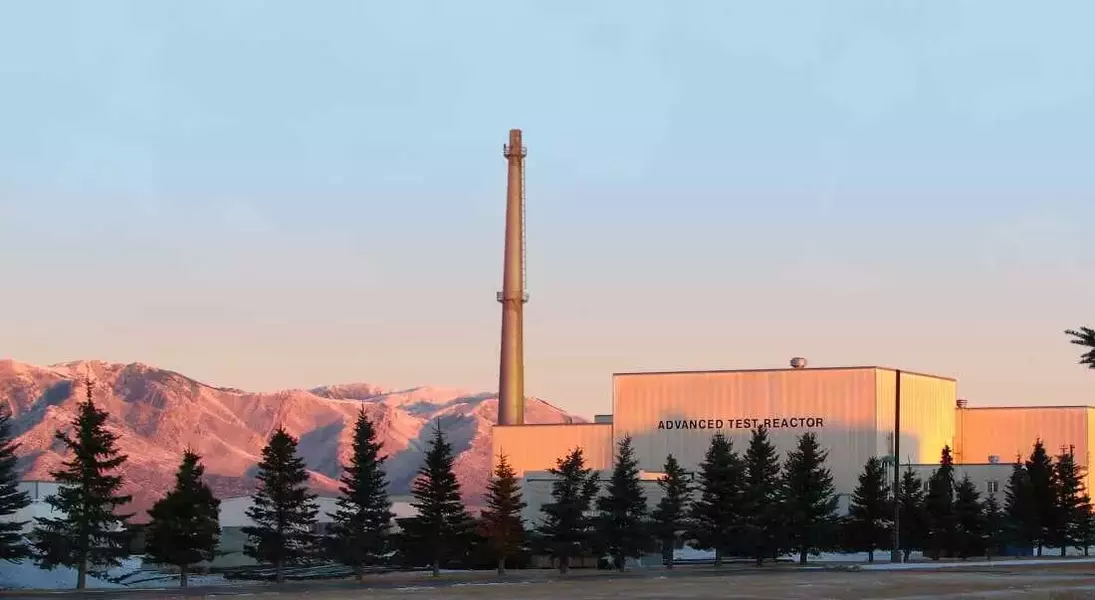
In a controversial move, the Trump administration has granted new experimental nuclear reactors an exemption from crucial environmental impact assessments. This decision, announced shortly after revelations of covertly modified safety protocols, aims to fast-track the deployment of advanced nuclear technologies, with a particular focus on powering burgeoning AI data centers. While proponents cite the inherent safety features of these designs, environmental advocates and nuclear safety experts express significant concerns regarding the potential for unforeseen accidents and the lack of public scrutiny.
Trump Administration Bypasses Environmental Review for Advanced Nuclear Facilities
On February 2, 2026, the Department of Energy (DOE) announced in the Federal Register a new policy to exempt advanced nuclear reactors from the rigorous environmental review process mandated by the National Environmental Policy Act (NEPA). This legislative act typically requires federal agencies to meticulously evaluate and publicly disclose the potential environmental ramifications of new projects, including a written assessment of possible nuclear accident consequences.
This development comes swiftly on the heels of a January 28, 2026, NPR report, which unveiled that Department of Energy officials had discretely revised internal environmental, safety, and security regulations to facilitate the construction of these new reactors. The DOE justified the exemption by asserting the inherent safety and passive safety systems characteristic of advanced reactor designs, claiming these attributes mitigate the need for extensive environmental scrutiny.
The exemption was anticipated, aligning with an executive order signed by then-President Trump in May 2025, which explicitly aimed to accelerate nuclear power deployment. Adam Stein, Director of Nuclear Energy Innovation at the Breakthrough Institute, a think tank focused on nuclear power, remarked that this exclusion is 'appropriate' for some reactors within the program, noting that prior DOE-built reactors have not demonstrated significant environmental impacts.
However, this decision has drawn sharp criticism from environmental advocacy groups. Edwin Lyman, Director of Nuclear Power Safety at the Union of Concerned Scientists, argued that the experimental nature and lack of real-world operational experience with these advanced reactor designs necessitate more stringent safety and environmental assessments. He emphasized that even small reactors, irrespective of their theoretical safety, remain susceptible to severe accidents.
The push for these exemptions is intrinsically linked to an aggressive timeline, with the DOE's Reactor Pilot Program aiming for at least three advanced test reactors to commence operations by July 4, 2026. This initiative is a direct response to the aforementioned executive order, designed to invigorate the nuclear industry. Approximately ten nuclear startups, heavily financed by Silicon Valley capital, are involved in developing these reactors, primarily to supply electricity to energy-intensive AI data centers.
NPR's previous disclosures highlighted that the Idaho National Laboratory, under the DOE, had substantially softened internal rules concerning groundwater and environmental protection for these new test reactors. Previous mandates stating environmental protection 'must' occur were downgraded to considerations that 'may be given to avoiding or minimizing, if practical, potential adverse impacts.' Kathryn Huff, a former head of the DOE's Office of Nuclear Energy, criticized these changes for lacking public discussion, suggesting they represented a 'loosening' of protections.
In response to inquiries, the Department of Energy maintained that the revised rules adequately safeguard public health and the environment, affirming adherence to applicable U.S. EPA requirements. Despite this, the decision to circumvent detailed environmental reviews significantly reduces avenues for public input, fueling ongoing debate about the balance between energy innovation and environmental stewardship.
The Trump administration's decision to exempt new nuclear reactors from comprehensive environmental reviews underscores a persistent tension between driving technological advancement and ensuring public and environmental safety. This approach, while intended to boost the nuclear industry and support emerging energy demands from sectors like AI, raises fundamental questions about transparency, accountability, and the precautionary principle in environmental governance. Critics argue that bypassing established regulatory frameworks, especially for nascent technologies, could inadvertently expose communities and ecosystems to untested risks. Conversely, proponents contend that the inherent safety features of advanced designs warrant a streamlined approval process, which could accelerate the transition to cleaner energy sources. Moving forward, a balanced dialogue that integrates scientific rigor, public participation, and responsible innovation will be crucial in navigating the complex landscape of nuclear energy development.
