Many individuals grappling with their weight often find themselves on a dietary seesaw, constantly advised on foods to embrace and those to eschew. Pasta, a beloved and versatile staple, frequently lands on the "avoid" list. However, for those who cherish their pasta, completely eliminating this convenient and delectable carbohydrate can undermine weight loss efforts, making healthy eating unsustainable.
Dietitians assert that enduring weight reduction necessitates a sustainable approach, one that integrates cherished foods like pasta rather than banishing them. This perspective is supported by research: a comprehensive review of 38 studies examining the link between pasta consumption and body weight revealed no direct correlation. This suggests that pasta itself is not inherently detrimental to weight management. Nevertheless, incorporating pasta into a weight loss regimen effectively involves several tactical adjustments. These dietitian-approved methods allow pasta aficionados to savor their preferred noodles while progressing toward their desired weight.
One crucial strategy is to adhere to standard serving sizes. While restaurant portions and typical home servings often far exceed recommendations, a standard serving of dry pasta is roughly 2 ounces, yielding about 1 cup when cooked. Reducing your portion to this size significantly lowers the calorie and carbohydrate content of your meal. Instead of making pasta the centerpiece, consider it a flavorful accompaniment, enhanced by ingredients known to promote satiety.
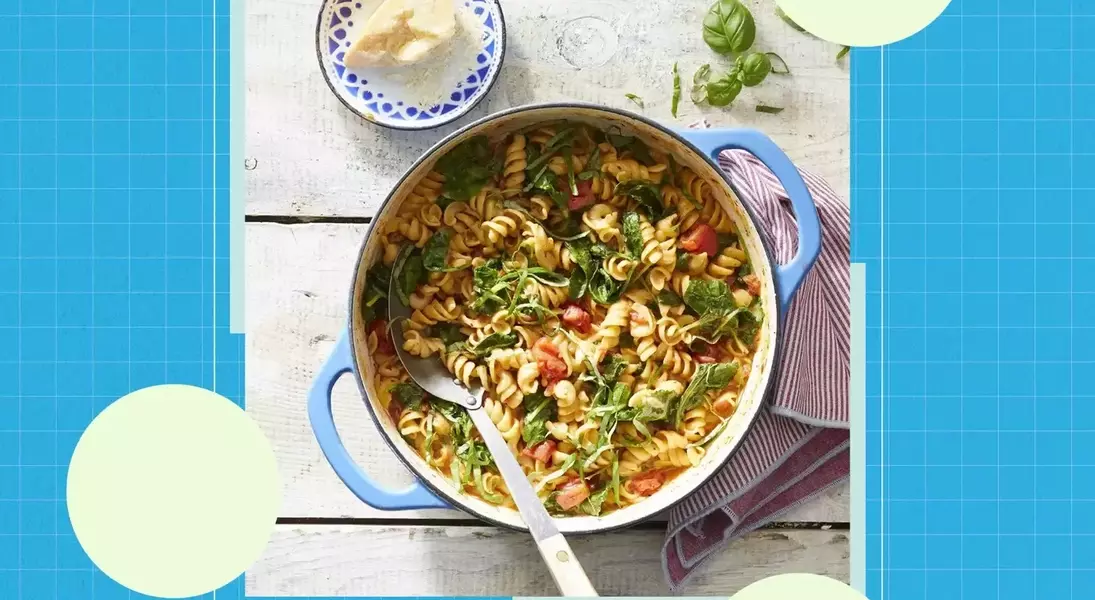
Another effective technique is to generously incorporate vegetables into your pasta dishes. Rather than a large bowl of pasta with minimal greens, aim for non-starchy vegetables to constitute at least half of your meal. The fiber and water content in vegetables contribute volume, helping you feel full without adding excessive calories. Spinach, zucchini, tomatoes, and bell peppers are excellent choices. To simplify preparation, vegetables can be added directly to the pasta pot during the final minutes of cooking, eliminating the need for extra dishes and streamlining the meal assembly.
Pairing pasta with lean protein is equally vital, transforming what could easily be a carb-heavy meal into a balanced and satisfying one. Protein plays a critical role in controlling hunger and preserving muscle mass, which is particularly important during weight loss, as rapid weight reduction can lead to the loss of calorie-burning muscle alongside fat. Foods such as chicken, shrimp, turkey, eggs, or beans can be effectively combined with pasta to ensure adequate protein intake, keeping meals both enjoyable and conducive to muscle maintenance.
Exploring diverse pasta varieties can also contribute to achieving your weight goals without forsaking your favorite food. Beyond traditional refined pasta, numerous alternatives offer higher protein and fiber content, with fewer carbohydrates. Pastas made from chickpeas, edamame, or lupine beans, as well as whole-wheat pasta, are excellent options. These varieties are digested more slowly due to their increased protein and fiber, promoting a greater sense of fullness with smaller servings. For those hesitant to fully switch, a 50/50 blend of traditional pasta with one of these alternatives can gradually introduce beneficial nutrients while retaining familiar flavors and textures.
Additionally, the timing of your pasta consumption might impact its metabolic effect. Eating pasta earlier in the day, such as for lunch, can be advantageous because the body's insulin sensitivity is generally higher in the daytime, allowing for more efficient carbohydrate processing. While this doesn't preclude pasta for dinner, strategic timing can provide a metabolic edge for weight management. These adjustments, alongside broader healthy lifestyle practices, collectively empower individuals to enjoy pasta as part of a balanced, health-conscious diet, fostering sustainable weight loss without deprivation.
