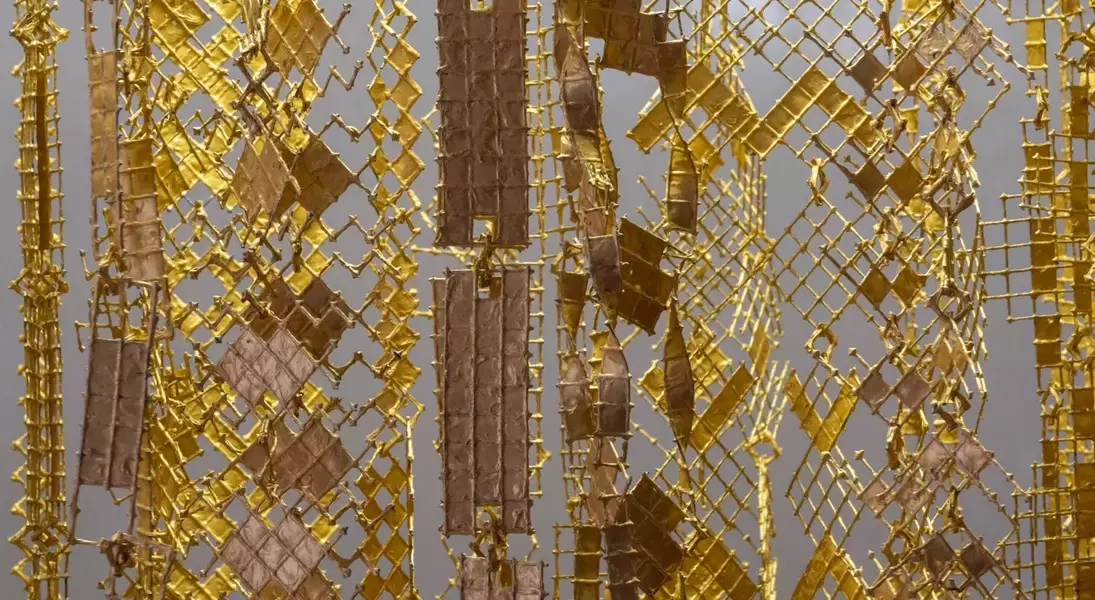
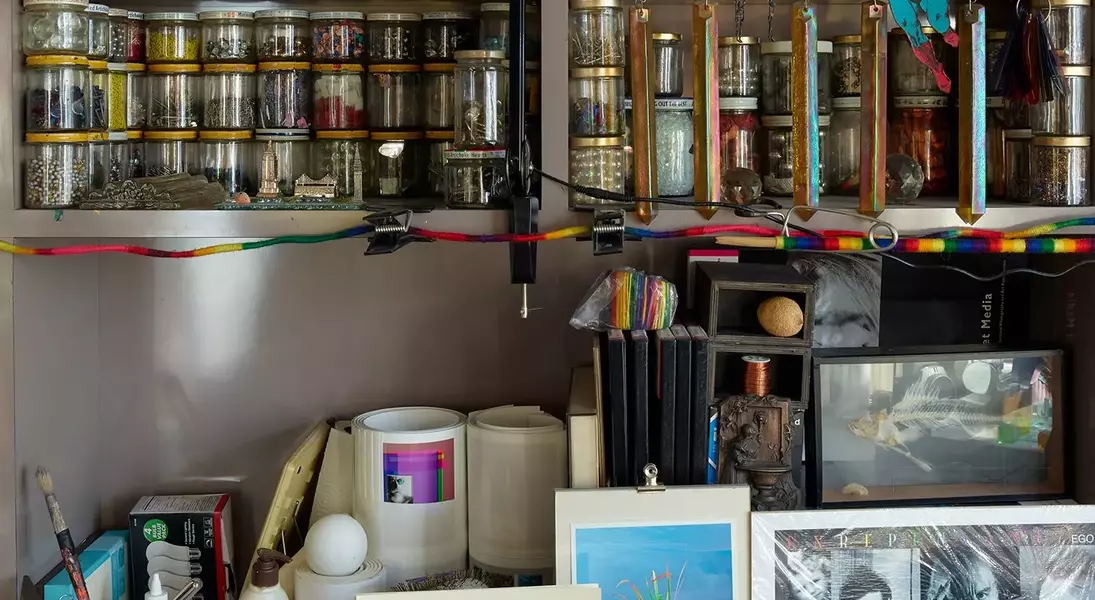
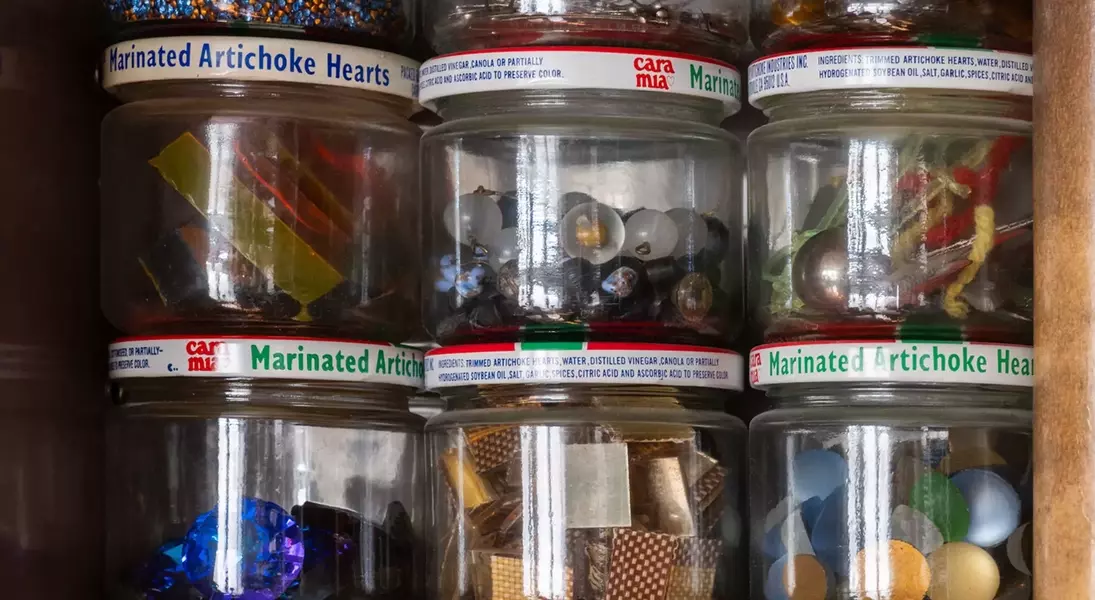
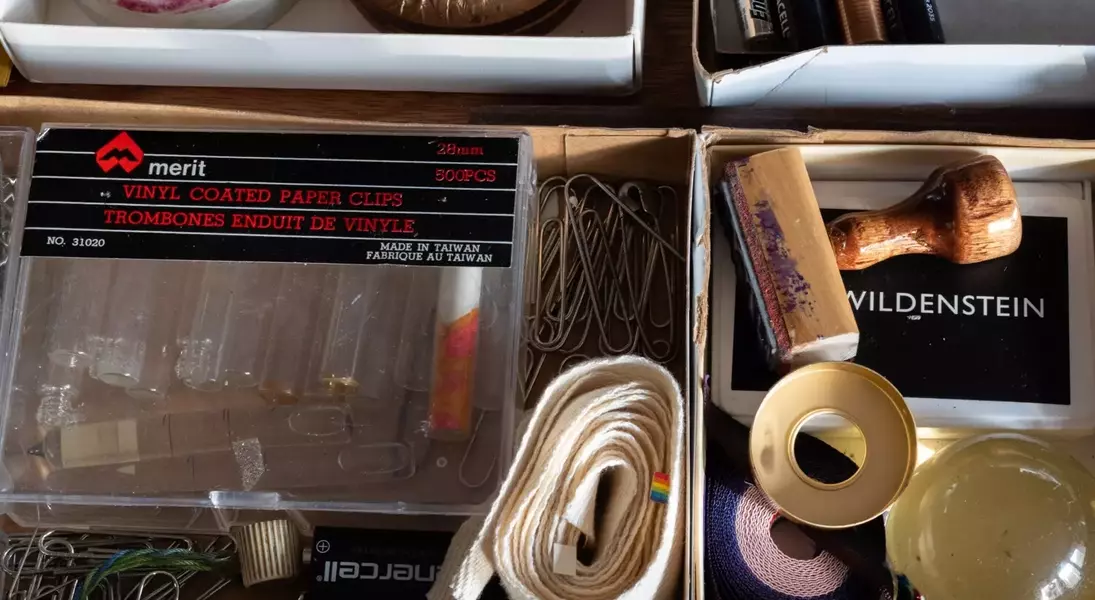
Lucas Samaras, a renowned yet enigmatic artist, transformed the 62nd floor of a Midtown Manhattan building into an unparalleled creative sanctuary. Living and working in this high-rise apartment for decades, Samaras created art across various mediums, primarily focusing on self-portraiture. His works, which adorned the walls of his 3,200-square-foot space, depicted him in countless forms and styles. The artist favored inexpensive materials like yarn, clothespins, and paper clips for his sculptures. Despite his prolific career, Samaras led a solitary life, dedicating nearly all his time to his craft without assistants or personal relationships. This article explores the unique environment he cultivated and the depth of his artistic expression.
A Creative Haven in the Sky
Samaras's choice to reside on the 62nd floor of a modern Midtown Manhattan tower was unconventional but fitting for his reclusive nature. In this vast studio-apartment, he surrounded himself with his creations, using every inch of space as both living quarters and a workshop. The expansive views from the high-rise windows provided a stark contrast to the intimate world he built within its walls. Here, Samaras could immerse himself in his work, free from external distractions, crafting pieces that spanned multiple disciplines including sculpture, photography, and writing.
Each room in the apartment reflected Samaras’s unique vision. The dining area featured furniture he designed himself, such as an oak-and-gray-laminate table and chairs, complemented by silver lamé curtains he sewed. Walls were lined with brightly colored borders painted by hand, adding vibrant accents to the space. Even mundane objects became part of his artistic repertoire; simple materials like yarn and paper clips found new life in intricate sculptures displayed throughout the home. This environment allowed Samaras to explore his creativity without boundaries, resulting in a body of work that defies categorization.
An Artist’s Solitary Pursuit
Samaras’s dedication to his craft was absolute, often spending entire days immersed in his projects. Unlike many artists who collaborate or seek outside assistance, Samaras preferred to work alone, never employing an assistant. His solitude was not merely a preference but a necessity for his creative process. Walking around Central Park offered him rare moments of respite from his intense focus, though even these outings served as inspiration for his art. Samaras remained unmarried and childless, choosing instead to dedicate his life entirely to his work.
His self-portraits, which filled binders upon binders, captured him in various guises—bearded, clean-shaven, dressed in elaborate costumes, or completely nude. Each image conveyed a sense of introspection, revealing layers of his complex personality. Friends like Arne Glimcher, founder of Pace Gallery, noted that Samaras rarely socialized beyond his art. His lifestyle choices, including never learning to drive, underscored his commitment to maintaining a life centered around his artistic pursuits. Through his work, Samaras crafted a world where he could exist in complete isolation, yet leave behind a legacy that continues to captivate and challenge audiences.
