Markiplier's cinematic rendition of the submarine horror game "Iron Lung" plunges viewers into a narrative that consciously avoids offering definitive answers, instead amplifying the game's inherent enigmas. This stylistic choice, which leaves many cosmic questions deliberately unresolved, aims to resonate with a contemporary audience that thrives on interactive speculation and community-driven interpretation. The film prioritizes an unsettling atmosphere and the protagonist's internal struggle over explicit plot resolution, transforming the viewer's experience into a journey of shared discovery and ongoing debate within its expansive fan base.
The film, rather than providing clarity, masterfully extends the mysterious lore established in the original game. It explores the psychological torment of its protagonist and the unfathomable nature of the "Quiet Rapture" – an event where all known stars and inhabited worlds vanish without explanation. This deliberate ambiguity not only respects the game's minimalist horror but also serves as a catalyst for profound fan engagement, encouraging a collective unraveling of its many secrets. The adaptation transforms passive viewing into an active intellectual and emotional process, ensuring its themes linger long after the credits roll.
The Unfolding Enigma: From Game to Screen
Markiplier's cinematic interpretation of the indie horror sensation "Iron Lung" chooses to expand upon, rather than resolve, the deep-seated mysteries presented in David Szymanski's original game. This decision to embrace ambiguity instead of offering clear answers is a bold artistic statement, particularly in a genre often driven by explicit narrative progression. By focusing on the vast, cosmic questions that the game initially posed, the film invites audiences to delve deeper into its unsettling universe, echoing the very essence of its source material while carving out its own distinct narrative path.
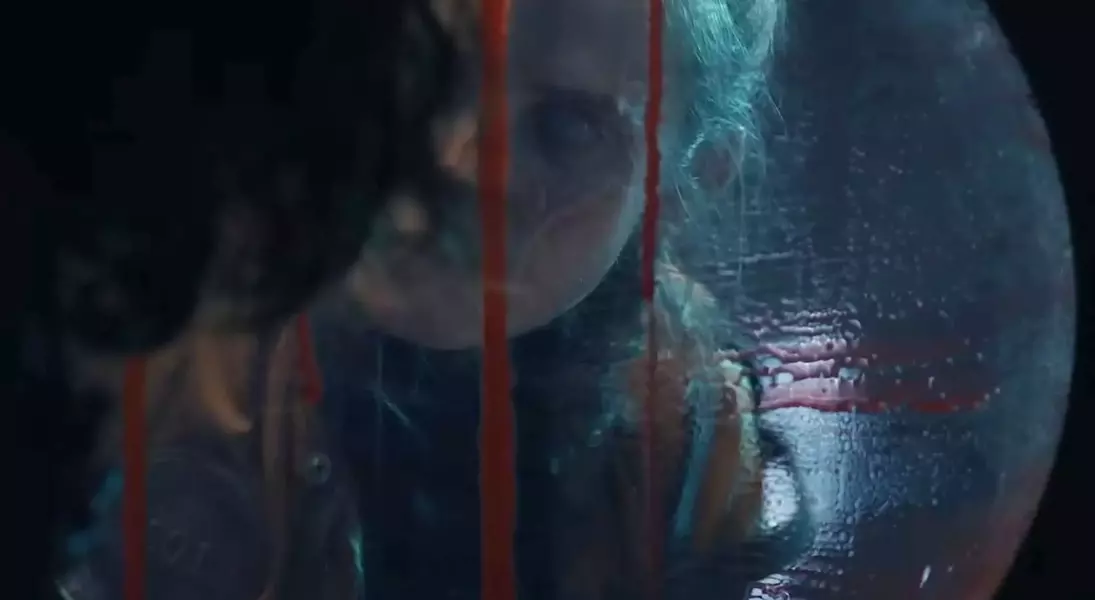
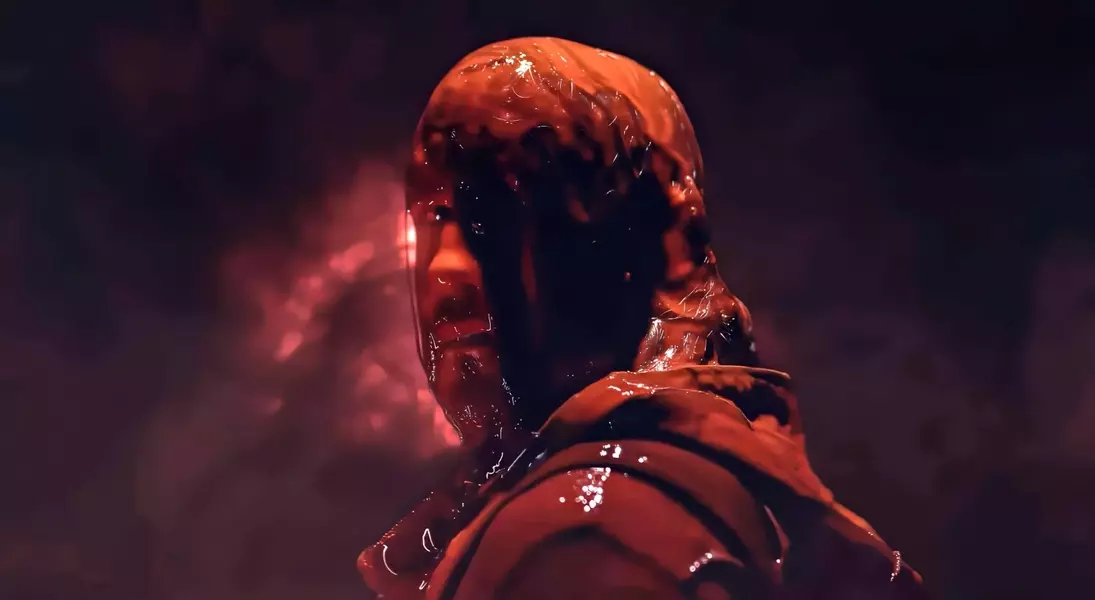
The original "Iron Lung" game immerses players in a confined, claustrophobic submarine tasked with navigating an ocean of blood on an alien moon, amidst the inexplicable disappearance of all known stars in an event dubbed the "Quiet Rapture." Markiplier's adaptation, starring himself as the convict Simon, amplifies the psychological horror by emphasizing Simon's fractured perception and the increasingly surreal environment. The film deliberately withholds explanations for the universe's cataclysmic events, such as the blood ocean or the Rapture, instead spotlighting Simon's desperate struggle for survival and sanity. This approach turns the viewing experience into a shared exploration of the unknown, compelling audiences to grapple with existential dread and the limits of human understanding, much like the game itself.
Engaging a New Generation: Ambiguity and Fan Theories
The film's intentional ambiguity serves as a powerful tool for engaging a Gen Z audience, who are accustomed to and often prefer narratives that invite speculation and collaborative storytelling. By deepening the mysteries rather than providing concrete answers, "Iron Lung" taps into the internet-era culture of "creepypasta" and open-ended online discussions, turning the film into a vibrant platform for fan theories and collective interpretation. This strategic choice by Fischbach demonstrates a keen understanding of modern media consumption habits, transforming what might traditionally be seen as narrative gaps into rich opportunities for audience participation and prolonged engagement.
This innovative storytelling technique fosters an environment where viewers actively participate in constructing the film's meaning. Instead of a passive consumption of a linear plot, the audience is encouraged to debate the reality of Simon's experiences, the implications of his past, and the ultimate significance of the film's inconclusive ending. This active engagement is evident in the thriving online communities, such as the Markiplier subreddit, where fans dissect every detail, propose elaborate theories, and share their interpretations. The film thus transcends being a mere adaptation, becoming a cultural phenomenon that thrives on the very questions it poses, reinforcing that its ending is not a conclusion but rather a springboard for ongoing conversation and creative exploration within its dedicated fanbase.
